
 By

Slovak Paradise is a national park in eastern Slovakia where the trails do not go around the gorges but straight up through them, on metal ladders, chains and walkways bolted into the rock, often directly beside waterfalls. Almost all of them are one way: you climb upstream and you cannot come back down the same route. It is the most unusual way of walking in the mountains anywhere in Central Europe.
How the gorges work, which route suits your level, what kit you need, when they are open and what it costs.
What Slovak Paradise is and why you climb ladders
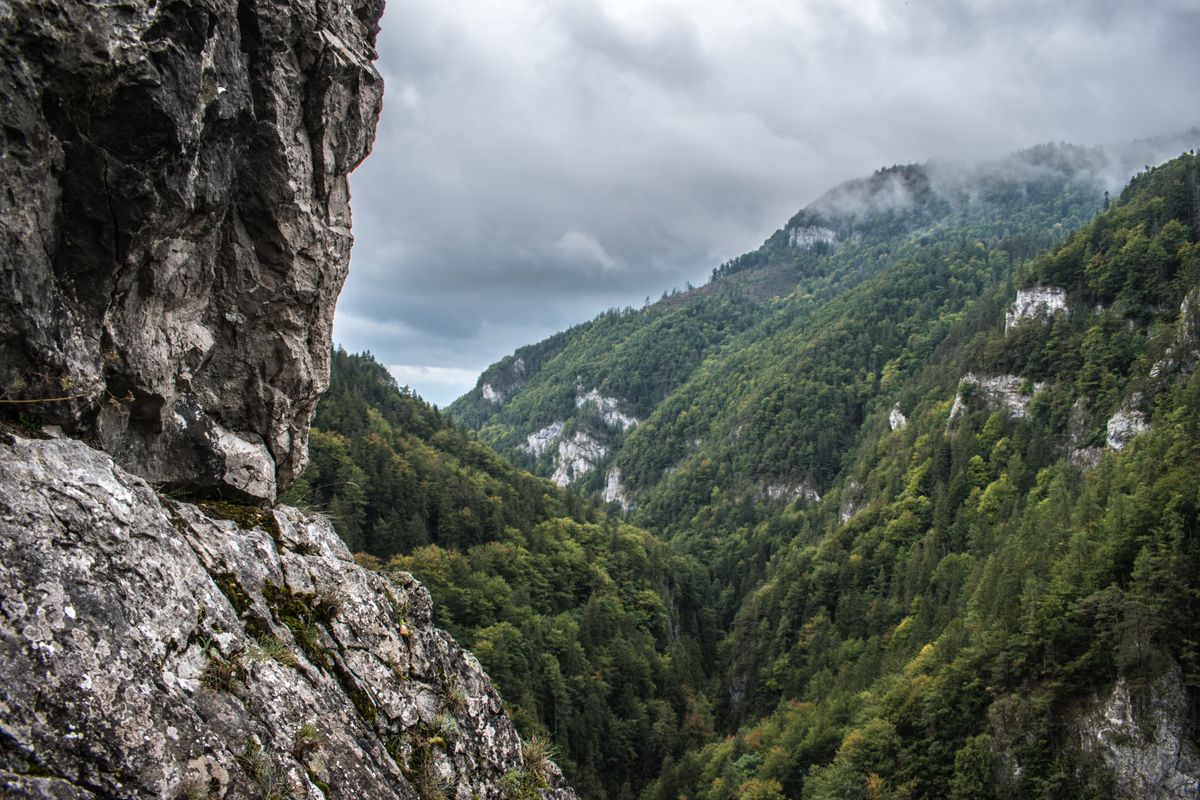
The park covers about one hundred and ninety seven square kilometres in the Spiš region, between Poprad and Spišská Nová Ves. It is a limestone plateau into which water has cut, over tens of thousands of years, a network of extremely narrow and extremely steep gorges.
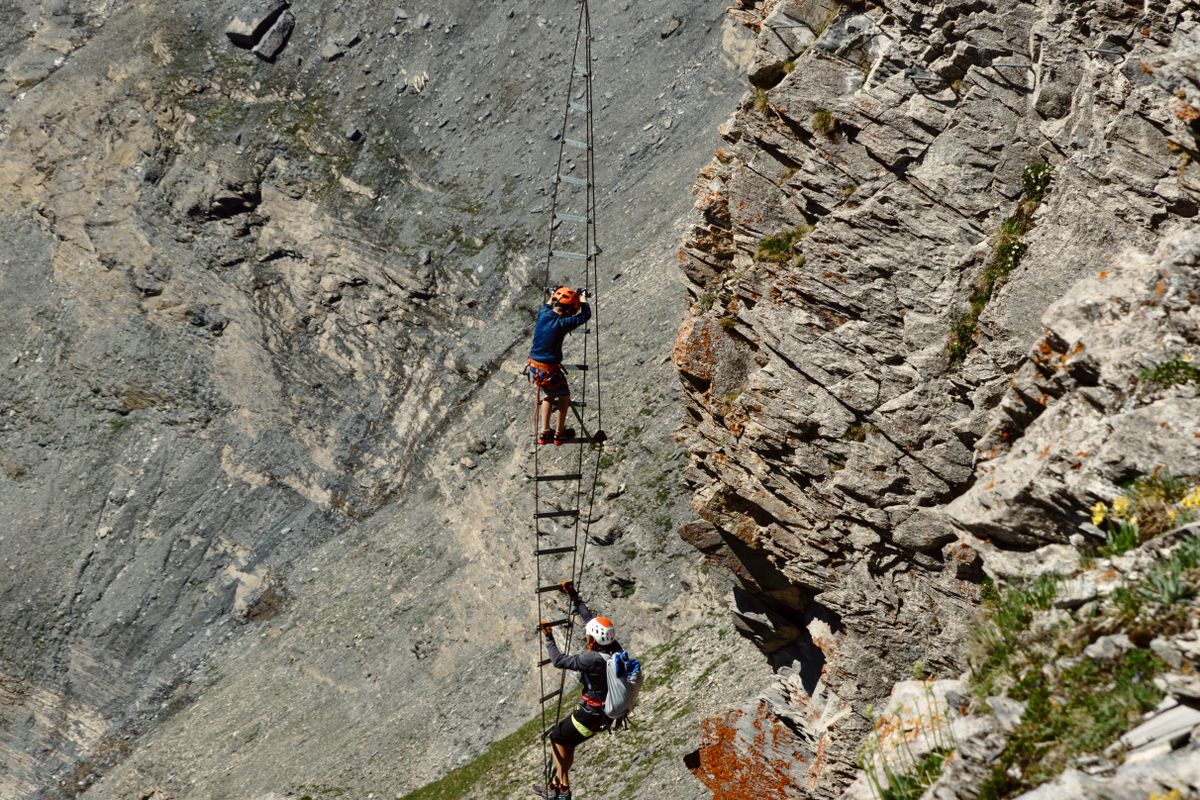
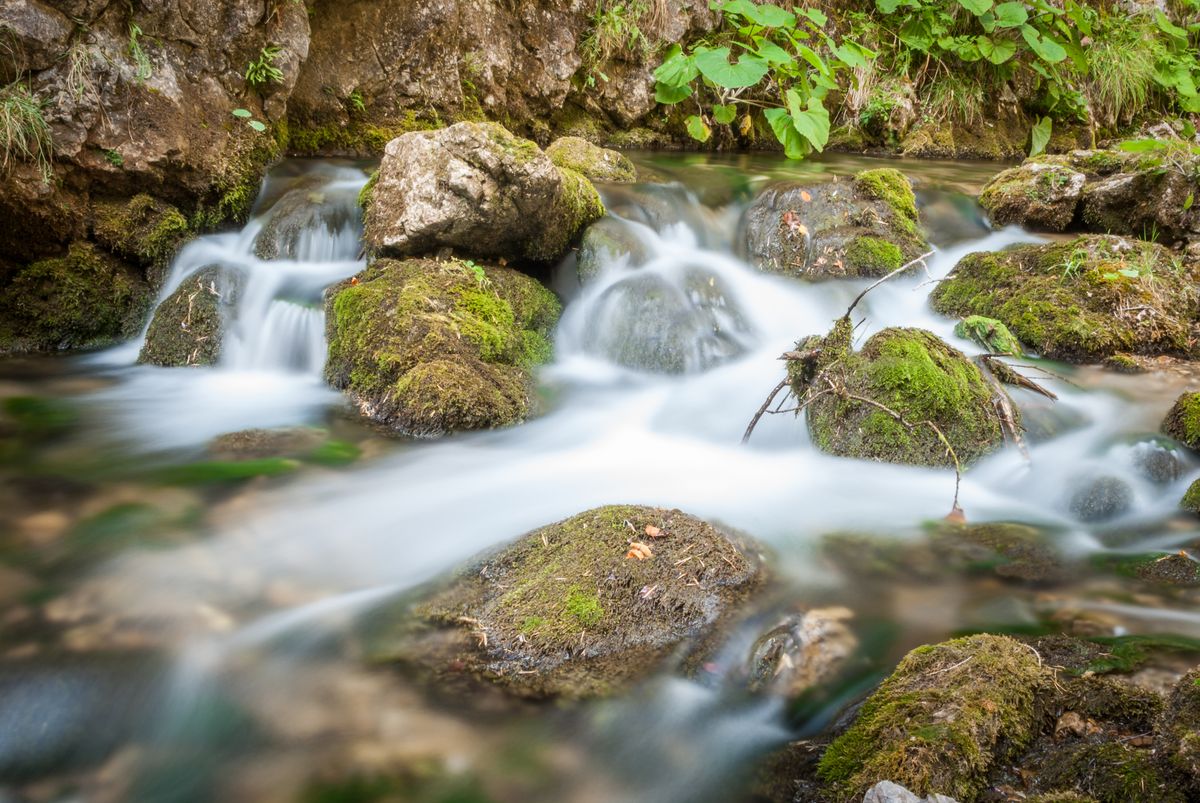
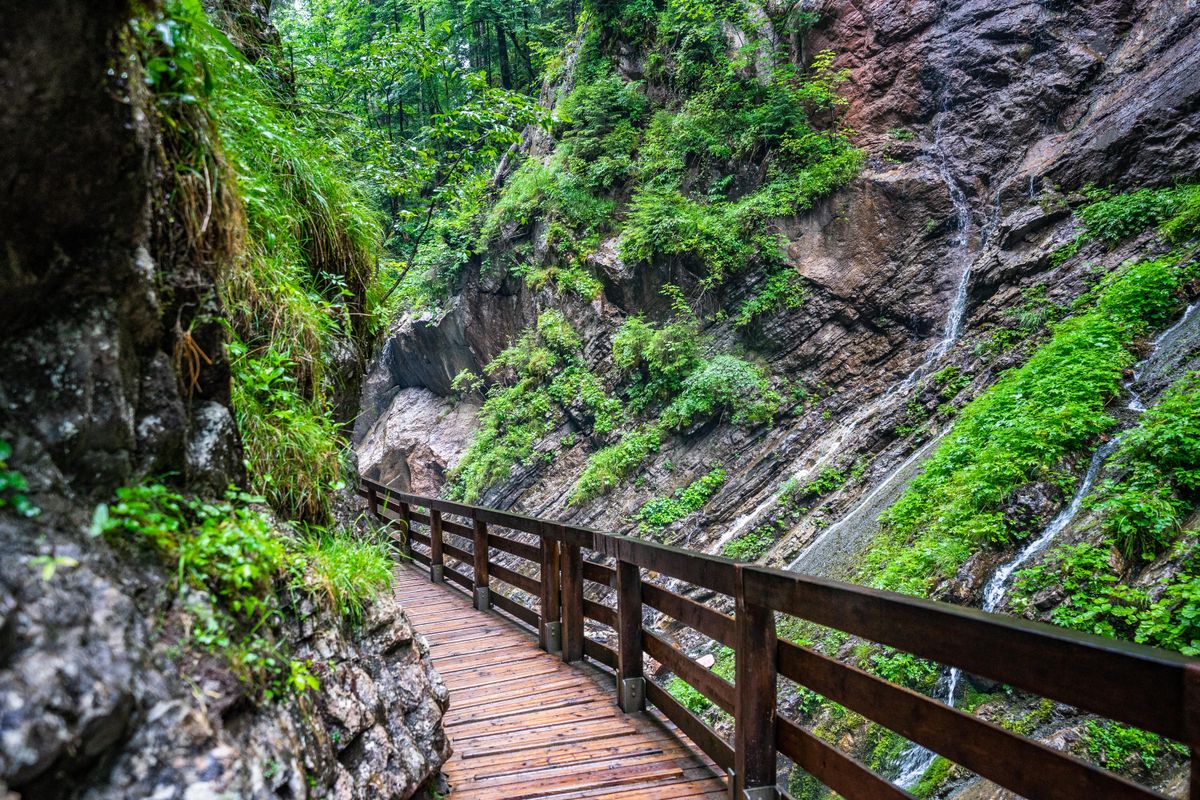
The floor of those gorges is taken up by the stream, with sills and waterfalls one after another. There is no bank to walk along. The solution, developed as early as the start of the last century, was to bolt metal ladders, chains, staples and wooden walkways into the rock, climbing beside the water and sometimes straight through it.
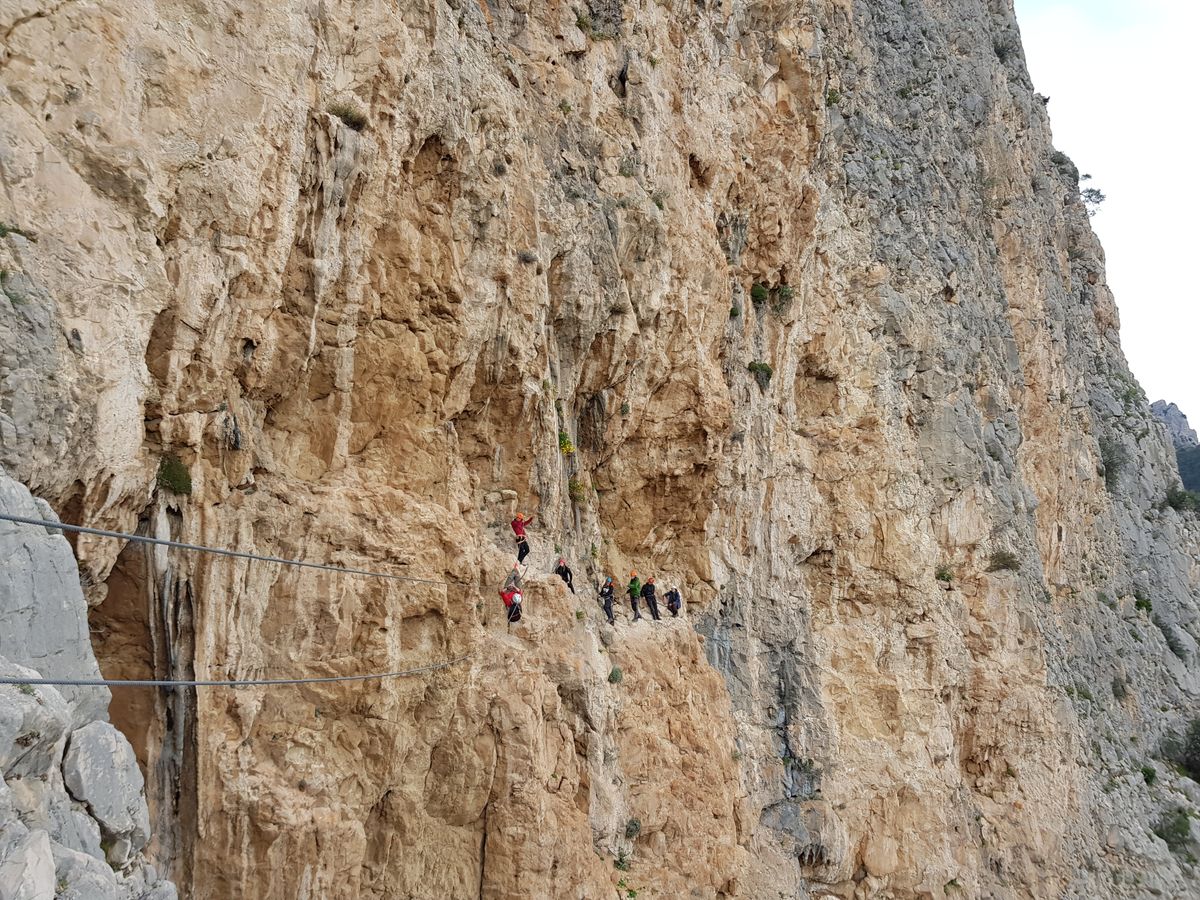
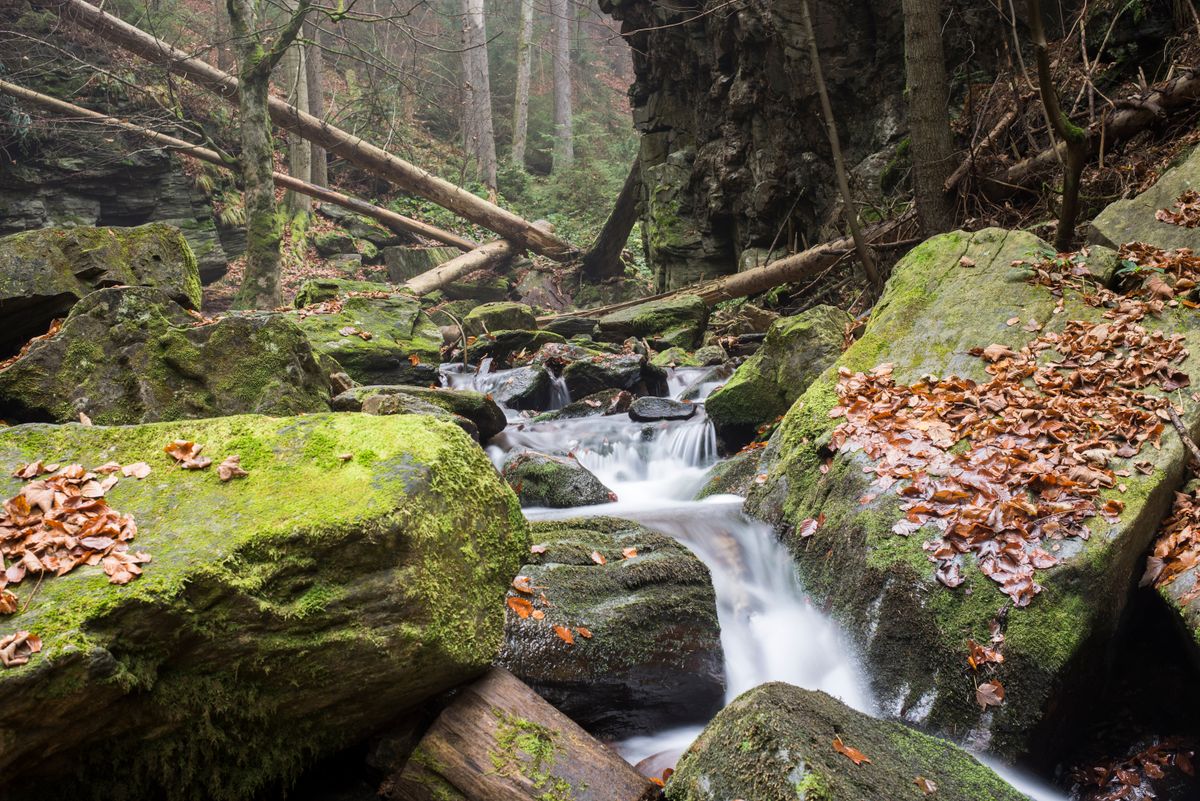
From that comes the rule that surprises people most: the majority of gorges are strictly one way. You climb upstream only. The descent is on a ridge trail through the forest, which means every outing is a loop rather than an out and back.
Which gorge to choose, by level
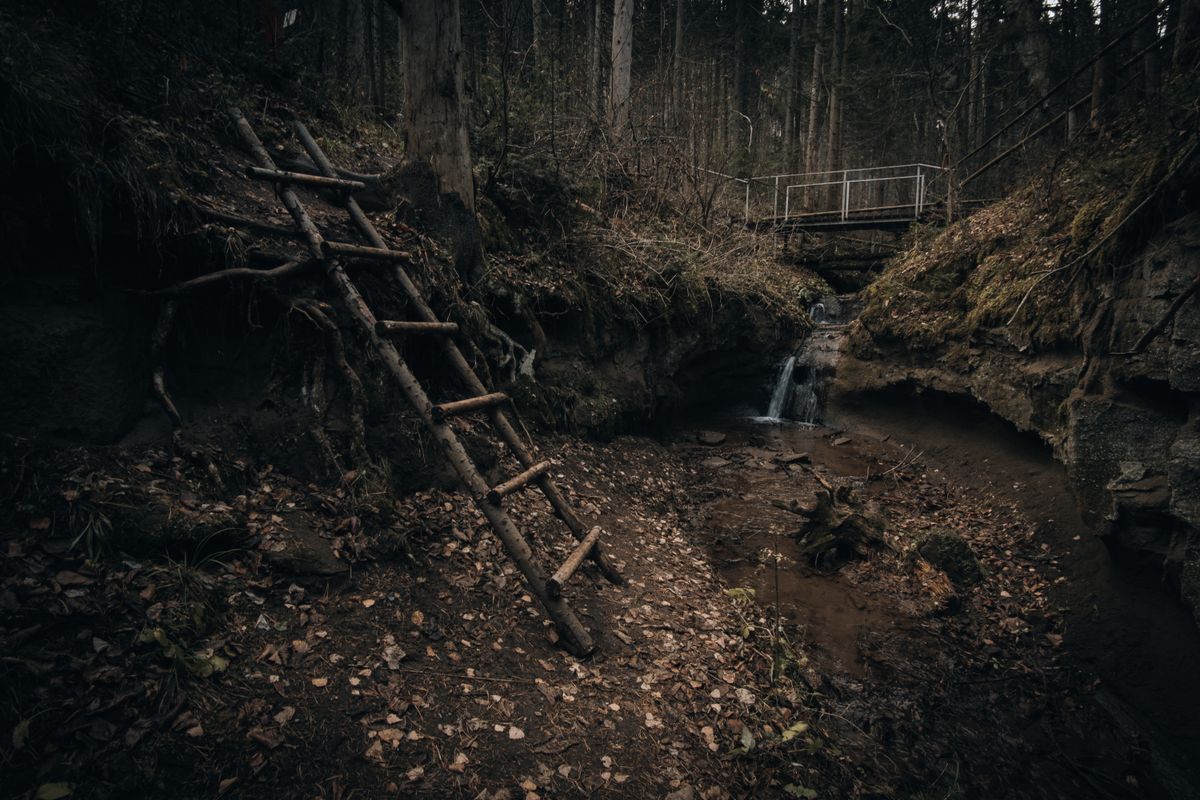
There are several, and the difference between them is considerable. The wrong choice means either boredom or a bad hour on a vertical ladder.
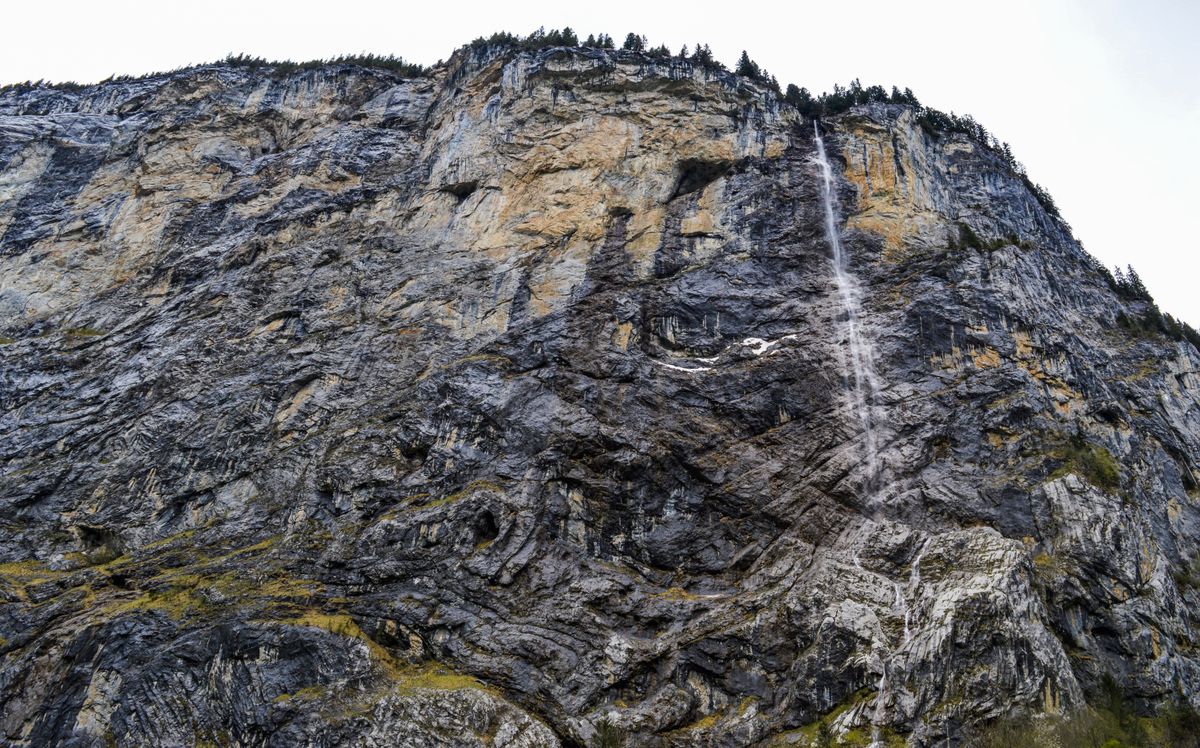
- Suchá Belá: the most popular and the most accessible as an introduction. About an hour and a half to two hours of climbing, with several long ladders beside waterfalls. Starts from Podlesok. Queues at the ladders in summer.
- Piecky: similar in difficulty but less walked. Same starting area.
- Veľký Sokol: the longest, about four hours for the ascent alone, narrow and impressive. For anyone who already has a day of experience.
- Sokolia dolina: demanding, with the highest waterfall in the park at around seventy five metres.
- Kyseľ: the most technical, reopened after decades of closure. Via ferrata equipment, meaning harness and helmet, is compulsory.
- Prielom Hornádu: the only option with no vertical ladders. Eleven kilometres along the river, with chains and walkways bolted to the wall. Walkable in both directions.

If it is your first visit and you have one day, the obvious choice is Suchá Belá going up and the ridge trail coming down. If you dislike heights or you are with small children, Prielom Hornádu is the only sensible option, because it has no vertical climbing.
The kit, the fee and the rules
This is not mountaineering, but it is not a stroll either. A few things are not negotiable.
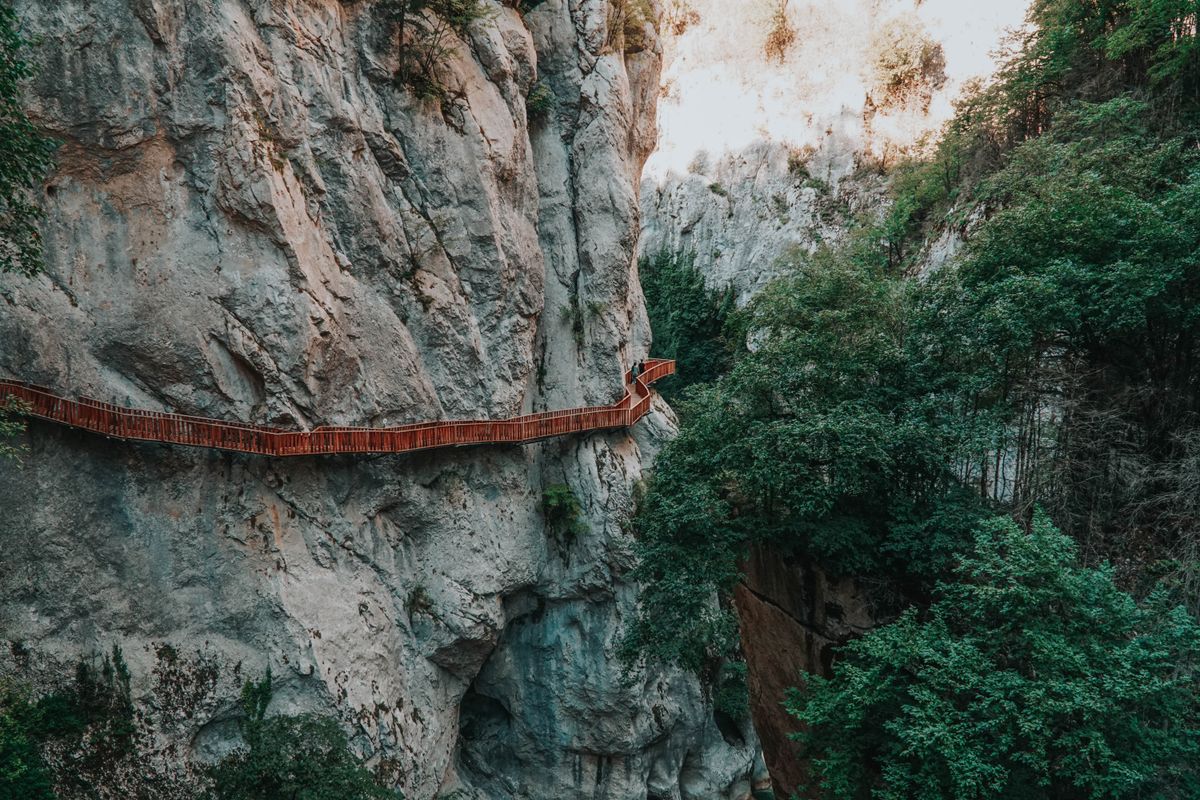
Boots with a good sole, compulsory. The metal rungs are wet almost permanently and smooth soles slip on them. Thin work gloves, because you will have your hand on cold chains and bars for hours and palms take a beating. Clothes that can get wet, since on some sections you walk straight through the stream. A small pack held tight to your back, because some passages are narrow. At Kyseľ, a via ferrata harness and helmet, which can be hired in the villages at the entrance. No dogs on the ladders, and no descending them against the flow.
There is a park entrance fee, a few euros a person a day, paid directly at the gorge entrance. It is separate from parking. The money goes towards maintaining the ladders, which are replaced periodically.
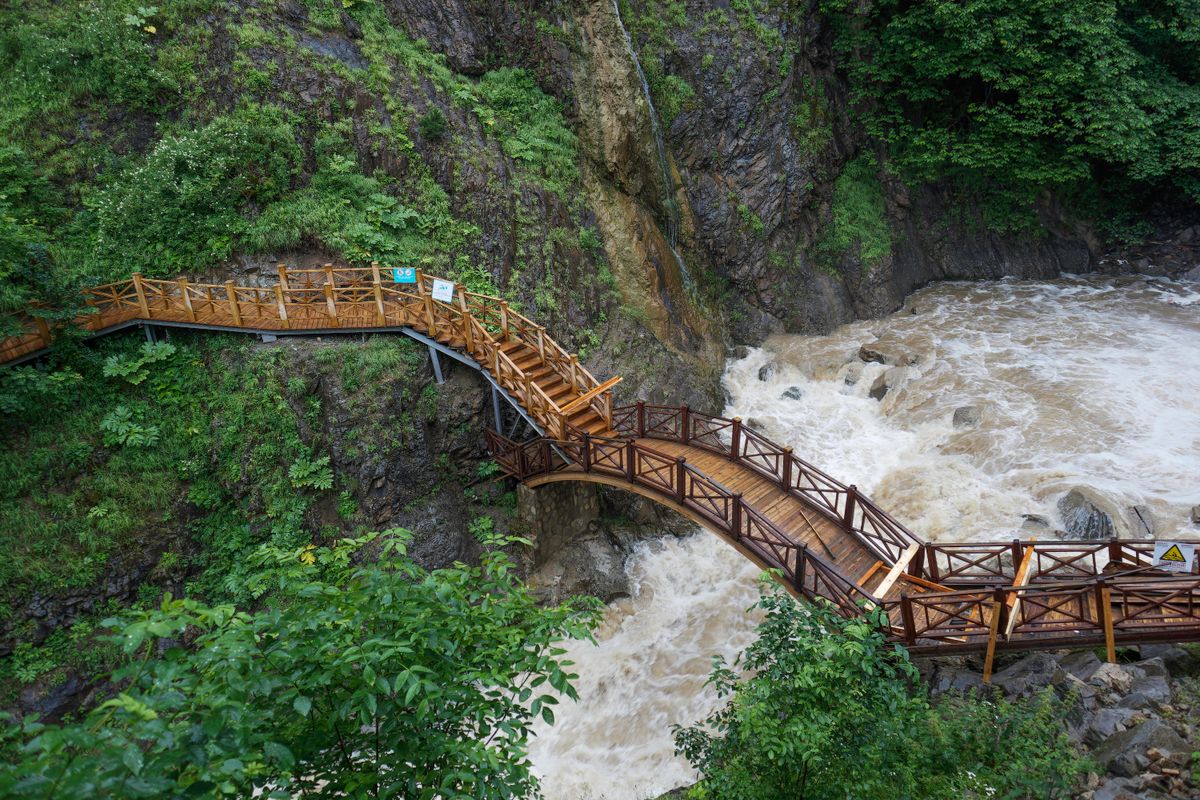
The one way rule is not a suggestion. On a ten metre vertical ladder you cannot pass somebody coming down, and on summer weekends queues build up. That is why you set off early, before eight in the morning.
When the gorges are open
This is the piece of information many people learn too late. The gorges are not open all year.
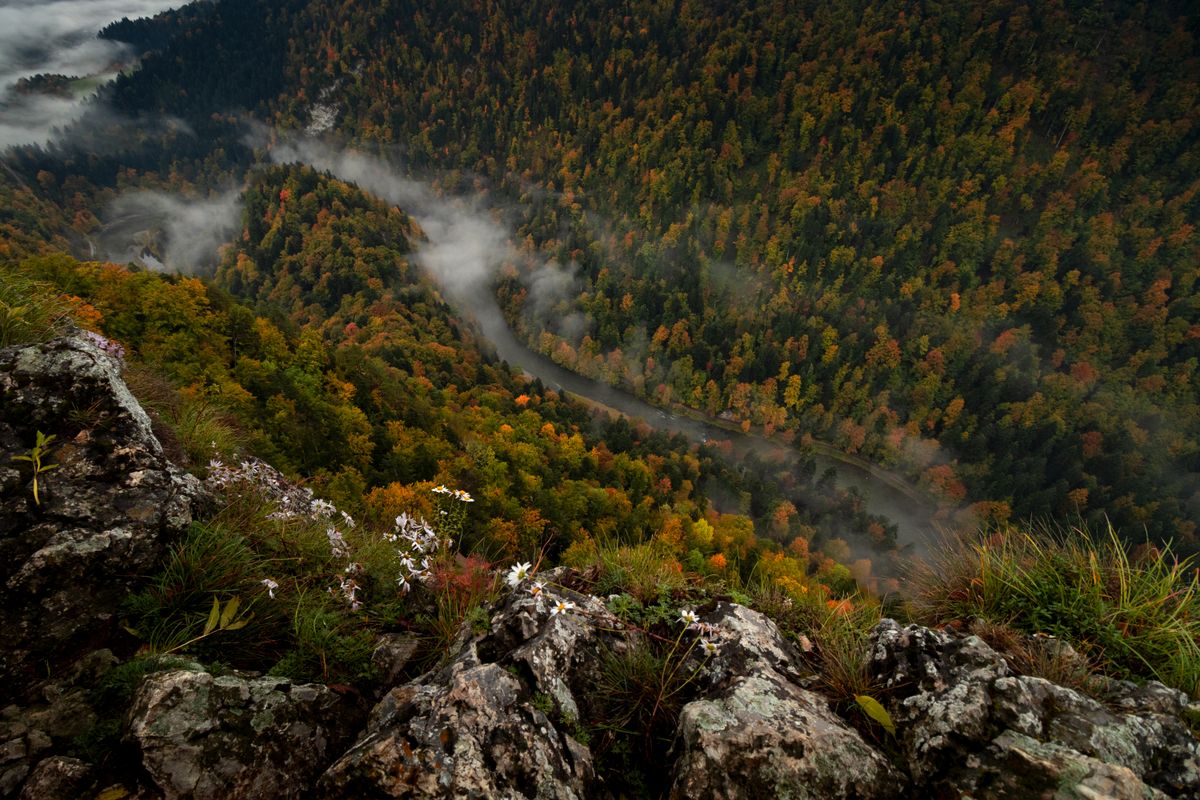
They generally open in the second half of June and stay accessible until the end of October, sometimes from mid April depending on the year. Winter and early spring are closed, because ice on the rungs and high water make the passage dangerous.
The exact dates are announced by the park administration each year and can change after storms or damage to the ladders. Check the position a few days before you travel, not a month.
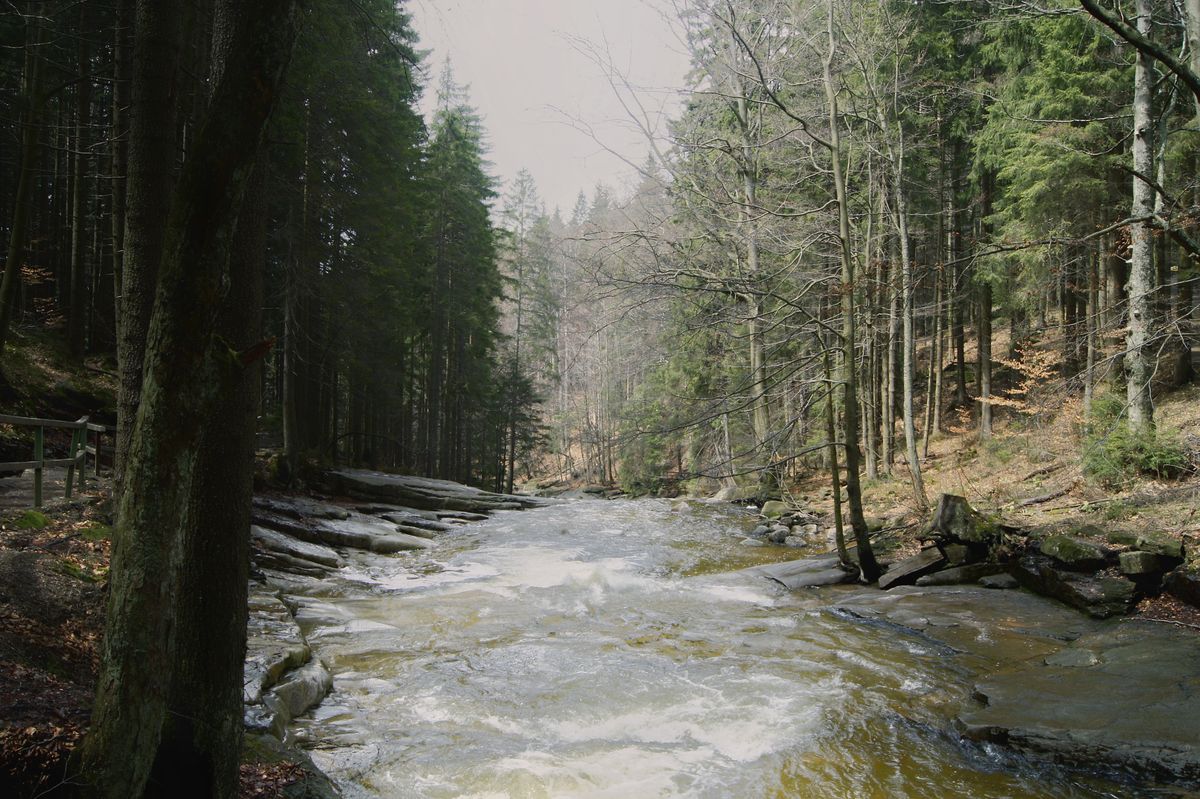
The best time is September: enough water, cooler temperatures, and the July and August crowds gone. October adds the autumn colour, and also the first mornings with frost on the metal.
Kláštorisko, the ice cave and the rest of the region
In the middle of the park, on a plateau reached only on foot, sits Kláštorisko: the ruins of a fourteenth century Carthusian monastery and the only place inside the park where you can eat and sleep. It is where most of the trails converge.
- Dobšiná ice cave: one of the largest ice caves in Europe, with over a hundred thousand cubic metres of ice. Part of a UNESCO site. Open only from May to September, with a limited number of tickets a day.
- Spiš Castle: one of the largest fortified complexes in Central Europe, a UNESCO site, about forty minutes away.
- Levoča: a walled medieval town, also UNESCO, with the tallest wooden Gothic altar in the world at over eighteen metres.
- Dedinky: the lakeside village on the southern side of the park, much quieter.
- Spišská Nová Ves: the longest lens shaped square in Slovakia, a good base for accommodation.
Getting there, where to stay and what it costs
| Item | Detail |
|---|---|
| From Košice | about 1 hour 30 |
| From Poprad | about 45 minutes |
| From Bratislava | around 4 hours |
| Main base | Podlesok, near Hrabušice |
| Other bases | Čingov, Dedinky, Spišská Nová Ves |
| Days needed | 2 to 3, one gorge a day |
| Season | usually mid June to the end of October |
A car is the most convenient, but you can also take the train to Spišská Nová Ves and then the bus to Podlesok. The Podlesok car park fills by nine on summer weekends, which is another reason to set off early.
Accommodation is cheap: guest houses and cabins from twenty five to fifty euros a night, plus a campsite at Podlesok. There are bears in the park, so food is not left outside and you make noise on the ridge trails.
Gorge conditions, opening dates and fees are published by the national park administration, and general regional information by the Slovak national tourist board.
Frequently asked questions (FAQ)
Conclusion
Slovak Paradise compares to nothing else in the region: instead of going around the gorges, the trails climb through them, on metal ladders bolted beside waterfalls, in one direction only.
Check the opening dates before you travel, set off before eight to avoid the queues on the ladders, bring gloves and boots with grip, and come in September.
