
 By

A city built up the walls of a natural amphitheatre, where the way down from the hill above is a wicker sledge steered by two men in straw hats. Funchal in 2 days covers the gardens, the market, the old town and a wine that was invented by accident on long sea voyages.
Two days planned hour by hour, the cable car and the toboggan, where to eat, and what Madeira wine actually is.
Funchal in 2 days, and why the city is vertical
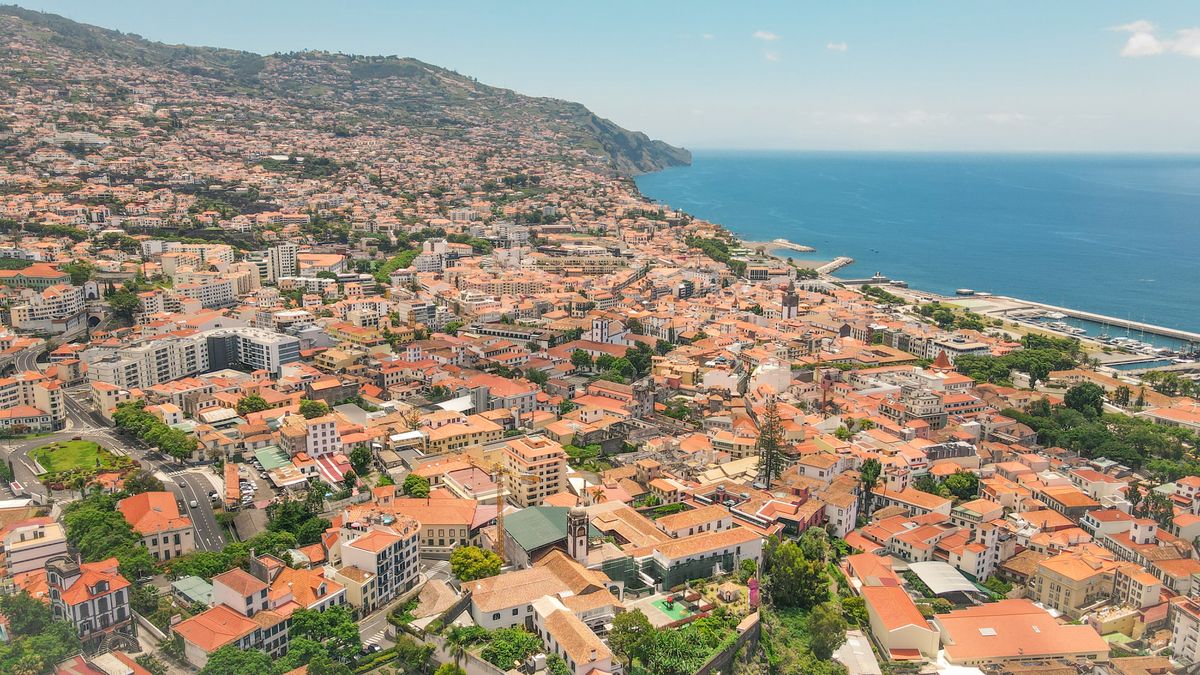
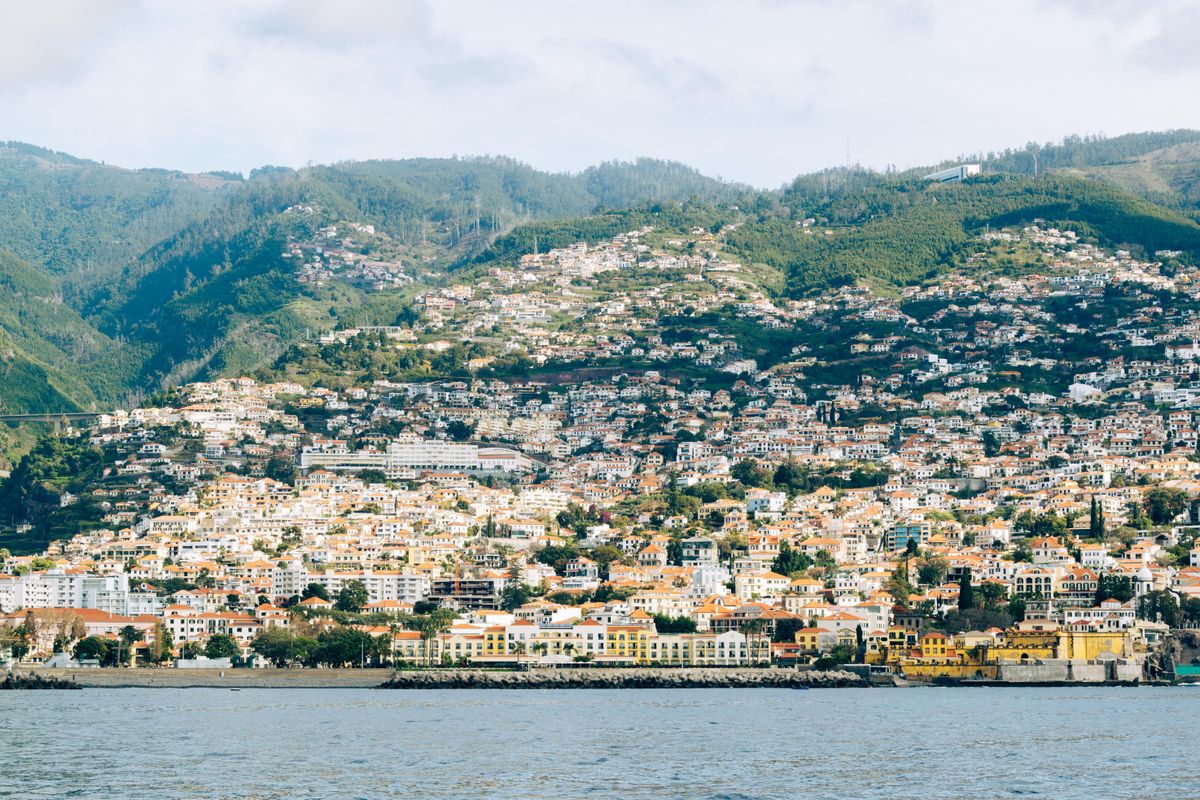
The city holds about 110,000 people on slopes running from sea level to around 1,200 metres, which means every walk is either up or down. The bay is deep enough that cruise ships dock in the centre, and on a busy day three of them arrive at once.
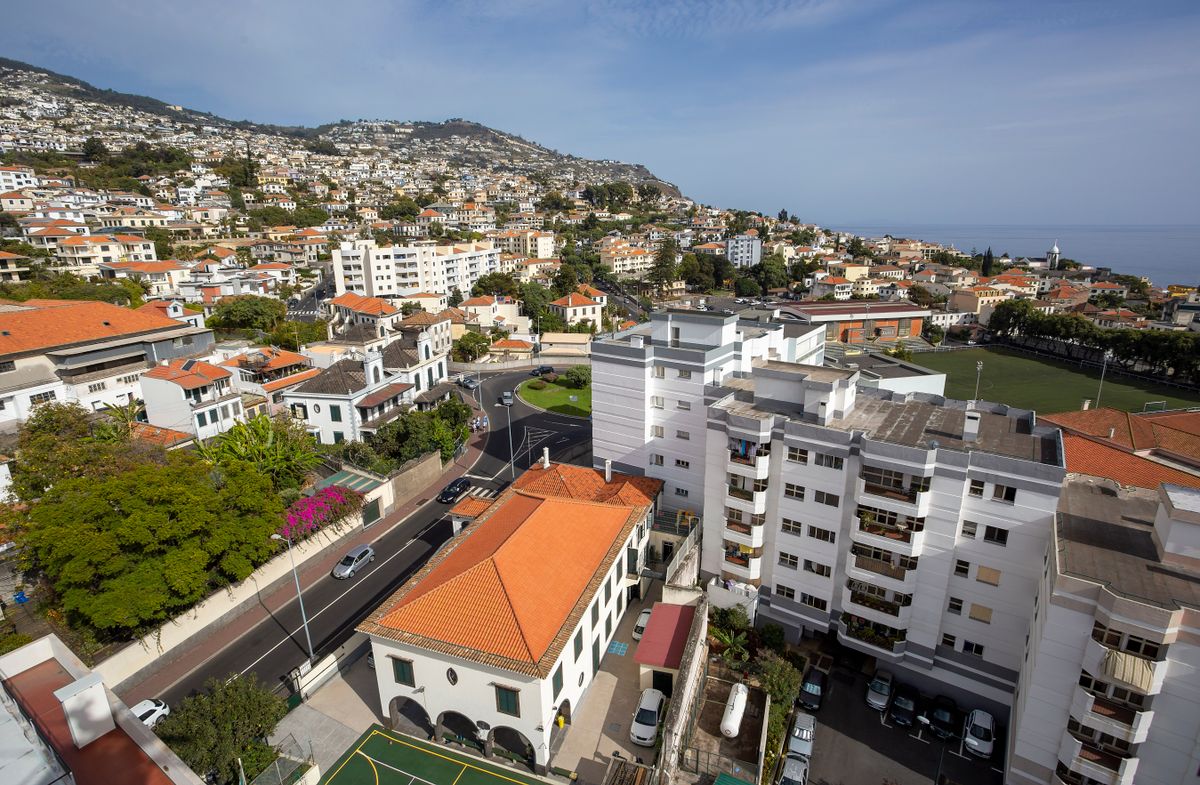
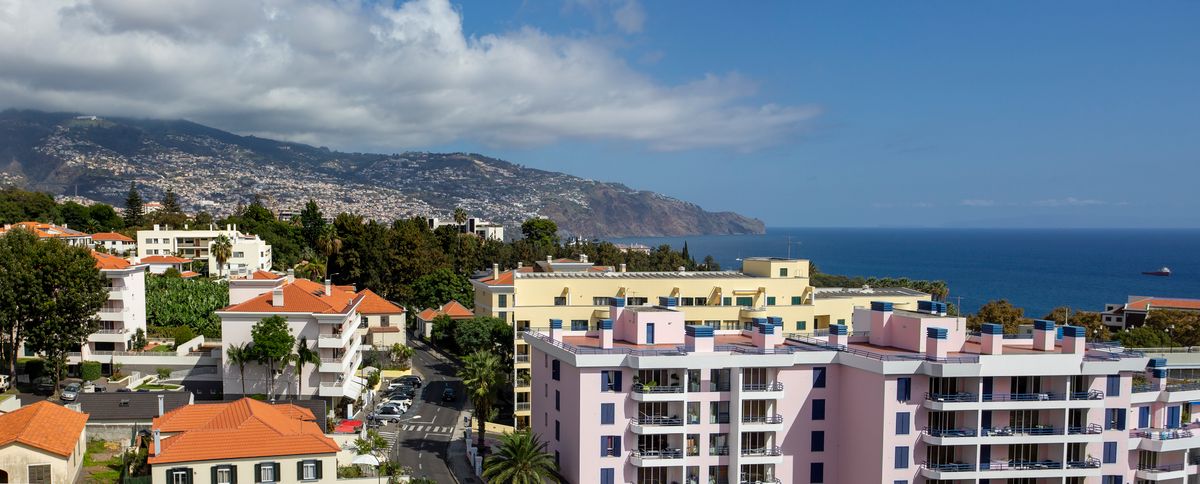
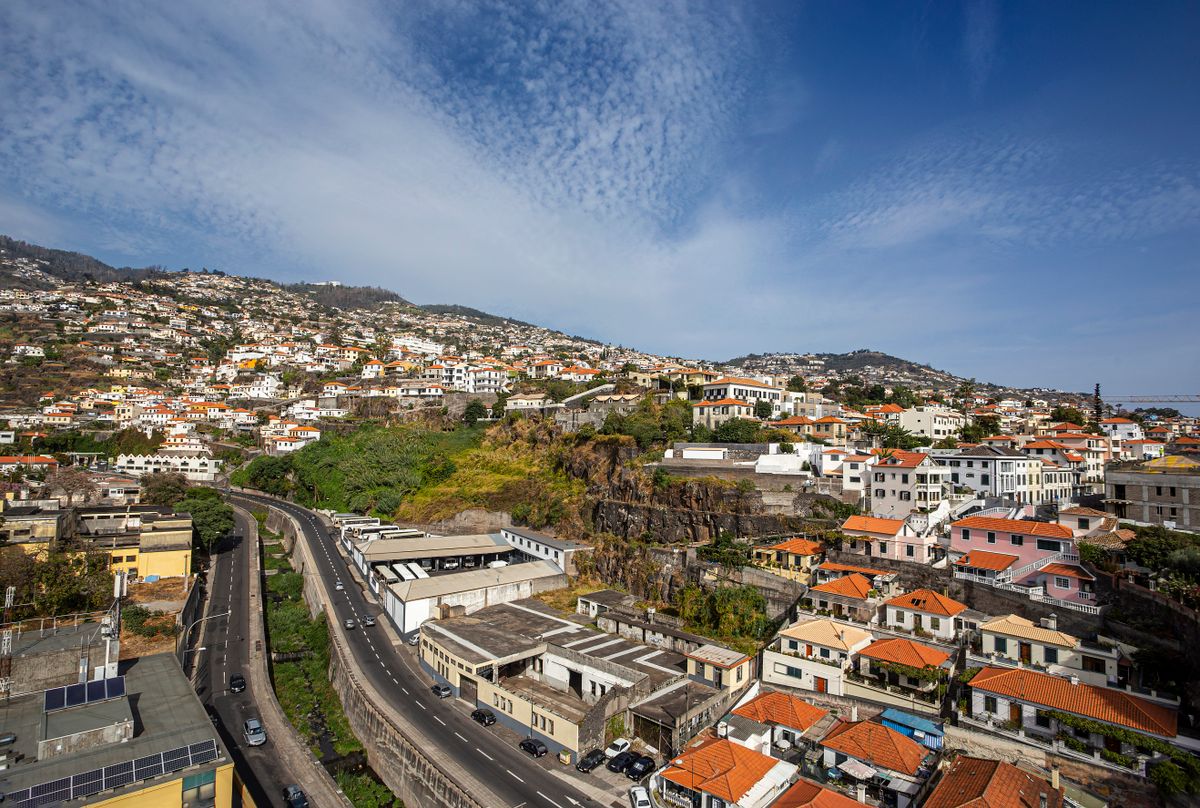
That vertical geography is why the cable car exists, and why the roads above town are a continuous sequence of hairpins.

Day 1: Monte, the gardens and the sledges
Take the cable car from the seafront up to Monte, about fifteen minutes and 550 metres of climb, with the whole city below you the entire way. It replaced a rack railway that closed in 1943 after a boiler explosion.
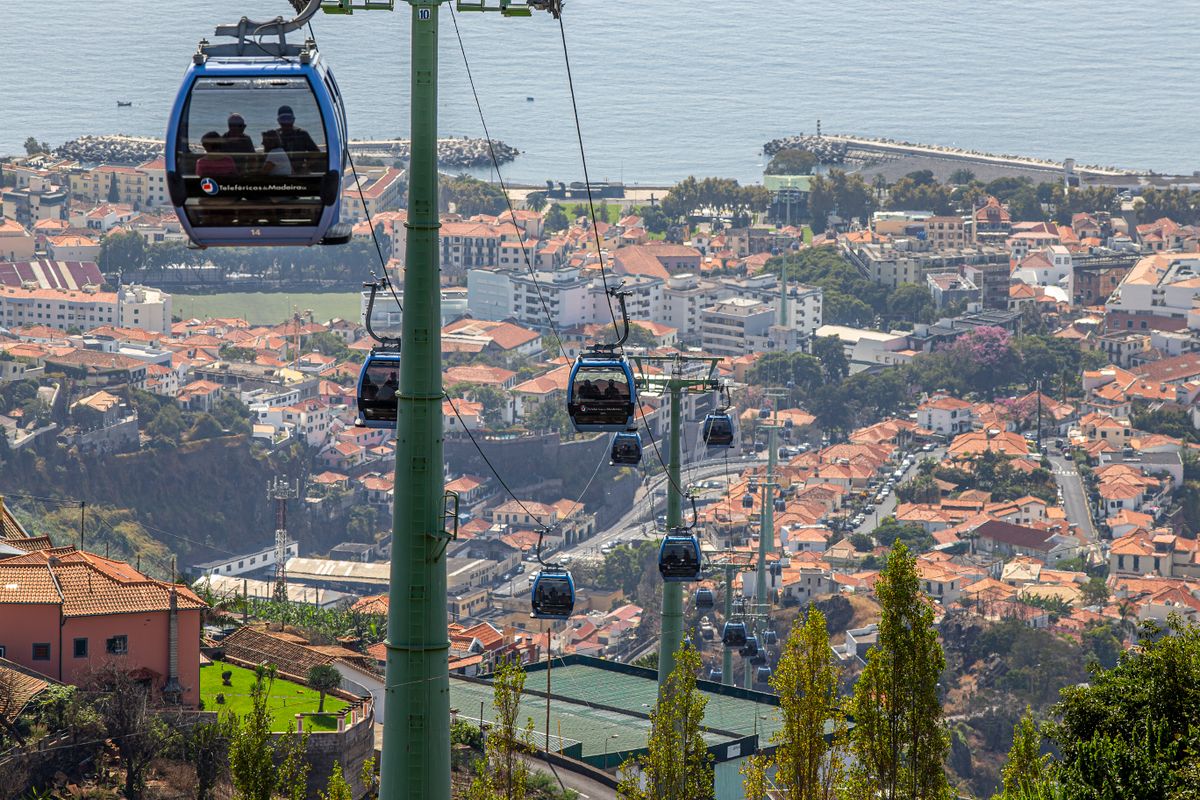
At the top are two gardens. Monte Palace is the theatrical one: koi ponds, Japanese sections, tiles and a collection of African sculpture. The Botanical Garden, reached by a second cable car, is the serious one, with the endemic Madeiran plants.
The wicker toboggan
The way down from Monte is a wicker basket on wooden runners, steered and braked by two men in white with straw hats using their rubber soled boots. It runs about two kilometres down the public road, at up to 30 kilometres an hour.
It started in the 1850s as genuine transport for residents going into town and became a tourist attraction when the residents got cars. It is not cheap for the distance, it ends halfway down the hill, and almost everyone is glad they did it.
Day 2: the market, the old town and the wine
The Mercado dos Lavradores is a 1940s market building with tiled panels, flower sellers at the entrance, an exotic fruit hall and a fish market downstairs where they sell espada, the black scabbard fish that lives at 1,500 metres and looks like it.
Be aware that the fruit sellers upstairs offer samples and then quote a very high price for a small bag. Ask the price first and be prepared to walk away. That is the single most common complaint visitors have about Funchal.
Zona Velha and the painted doors
The old town at the eastern end of the seafront had become derelict, and in 2010 an art project invited artists to paint the doors of abandoned buildings. There are now over two hundred of them, the quarter is full of restaurants, and the project is credited with reviving it.
It is also where the fortress and the cable car station are, so it works as the start or the end of both days.
Madeira wine, and how it happened
Madeira was a stop on the route to the Americas and the Indies, and the wine loaded there was fortified to survive the journey. It then sat in hot holds crossing the tropics, and the heat changed it. When the barrels came back unsold, the wine was better.
Producers now replicate that deliberately, by heating the wine slowly over months or years. The result is almost indestructible: an opened bottle keeps for months, and hundred year old vintages are still drinkable.
- Sercial: the driest, served cold as an aperitif.
- Verdelho: medium dry, and the versatile one.
- Bual: medium sweet, with dried fruit.
- Malmsey or Malvasia: the sweetest and the most famous.
- Tastings at the old lodges in the centre are free or cost very little.
- Poncha, the local spirit with honey and lemon, is a different and much stronger matter.
Practical advice
| When | What |
|---|---|
| Day 1 morning | cable car to Monte, Monte Palace garden |
| Day 1 afternoon | toboggan down, botanical garden |
| Day 1 evening | Zona Velha and the painted doors |
| Day 2 morning | Mercado dos Lavradores, cathedral, centre |
| Day 2 afternoon | wine lodge tasting, seafront walk |
| Extra | levada walks and the viewpoints, from the third day |
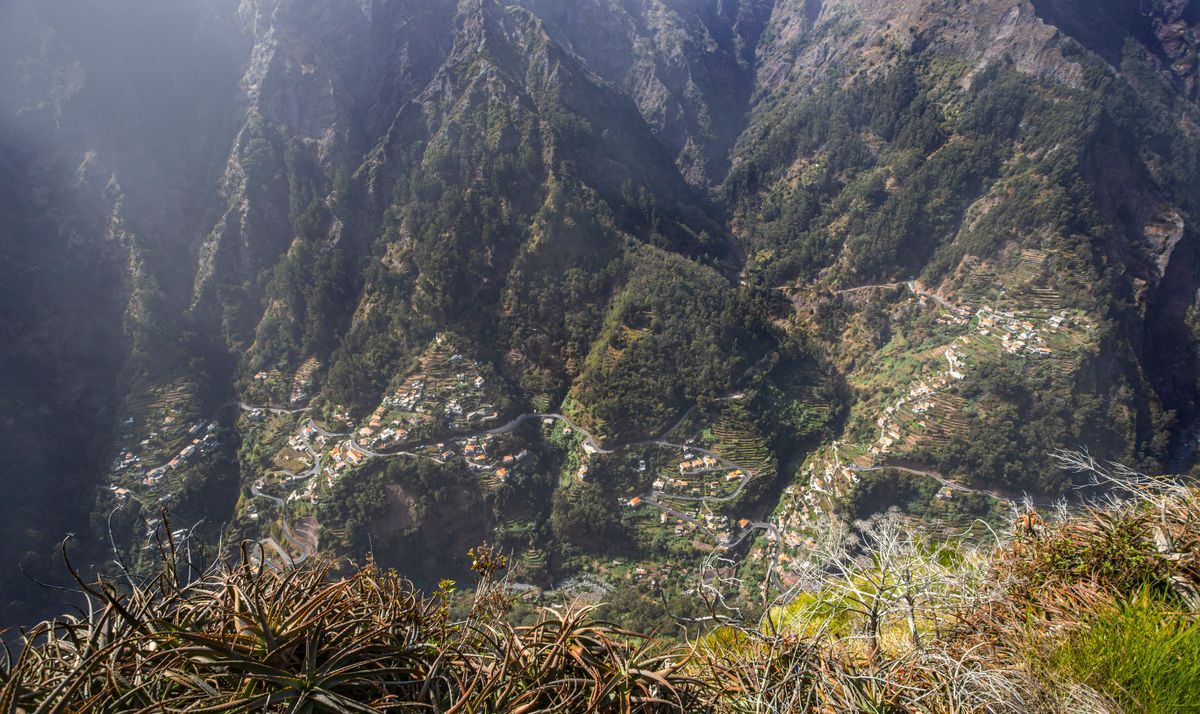
Funchal is the base for the rest of the island: the levada walks, Cabo Girao and Pico do Arieiro are all within an hour. City information is on the Funchal tourist site and island information at Visit Madeira.
Frequently asked questions (FAQ)
Conclusion
A city stacked up a hillside, with a cable car up, a wicker sledge down, a market with fish that look prehistoric and a wine invented by accident at sea.
Give Funchal two days before you start the levadas, ask the price before you accept the fruit, and finish with a glass of Malmsey.
