
 By

A coast of cliffs and small beaches, mountains that reach 2,600 metres twenty kilometres inland, and a landscape that is green for the reason all green landscapes are green. Asturias and Cantabria are the part of Spain that looks like Ireland and eats like nowhere else in the country.
The mountains, the two capitals, the cave paintings, and why cider is poured from above your head.
What Asturias and Cantabria actually are
The northern coast, from the Basque Country to Galicia, is Atlantic rather than Mediterranean: mild, wet and green all year. Asturias and Cantabria sit in the middle of it, with the Cantabrian range running parallel to the sea a short distance inland.
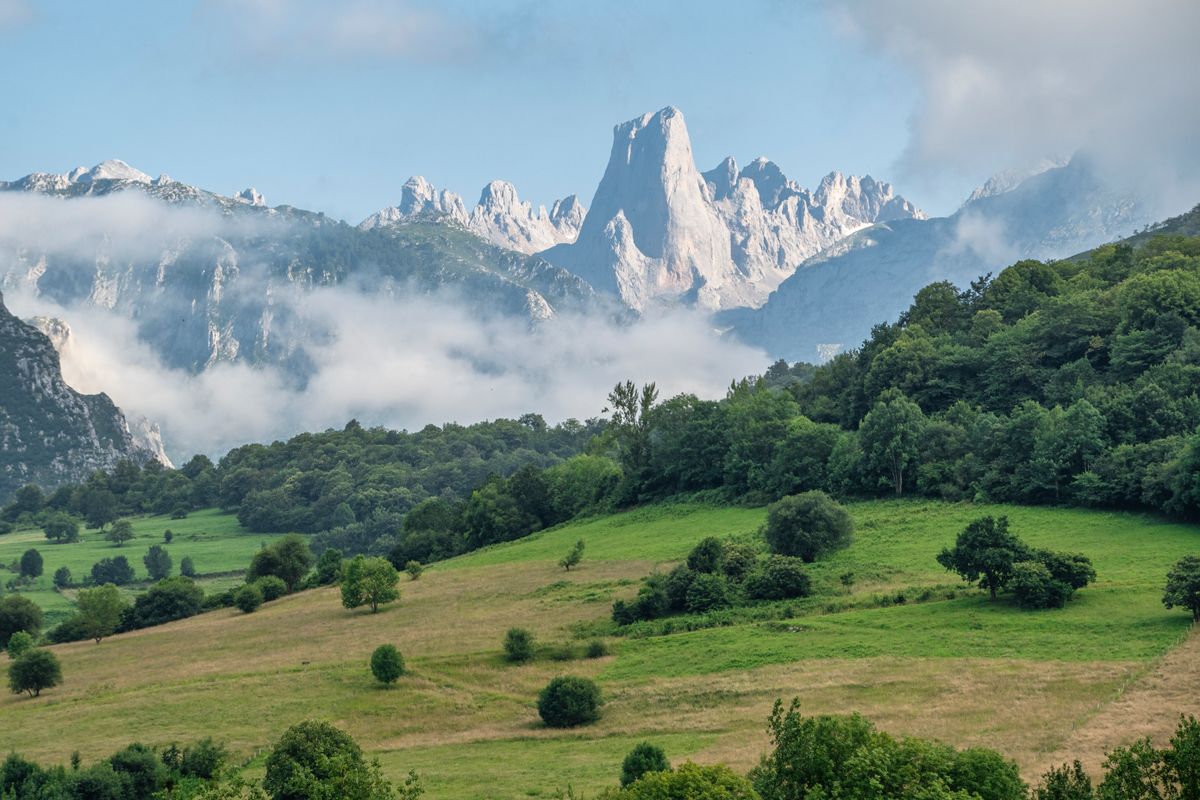
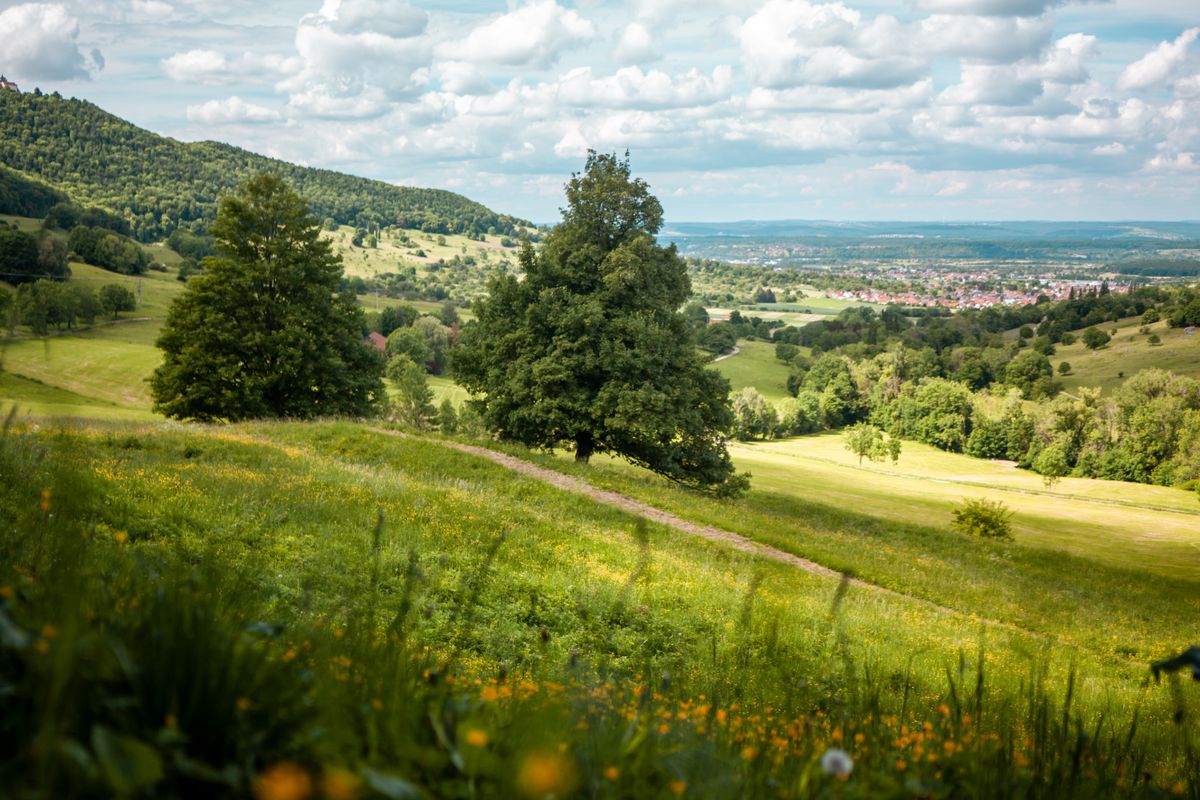
This is not the Spain of the brochures, which is exactly why Spaniards come here in August when the south is unbearable.
The Picos de Europa
The first national park in Spain, declared in 1918, covering limestone peaks that rise to 2,650 metres within about twenty kilometres of the coast. Sailors returning from the Atlantic used them as the first sight of Europe, which is where the name comes from.
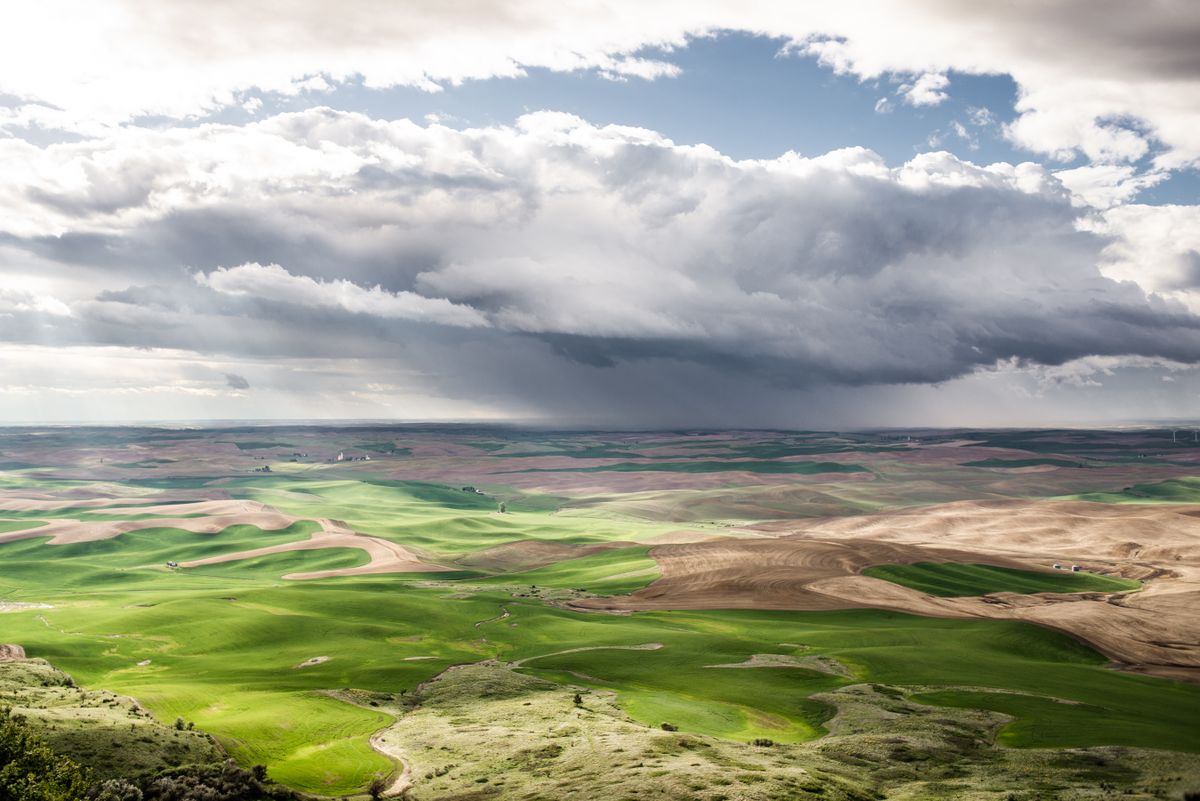

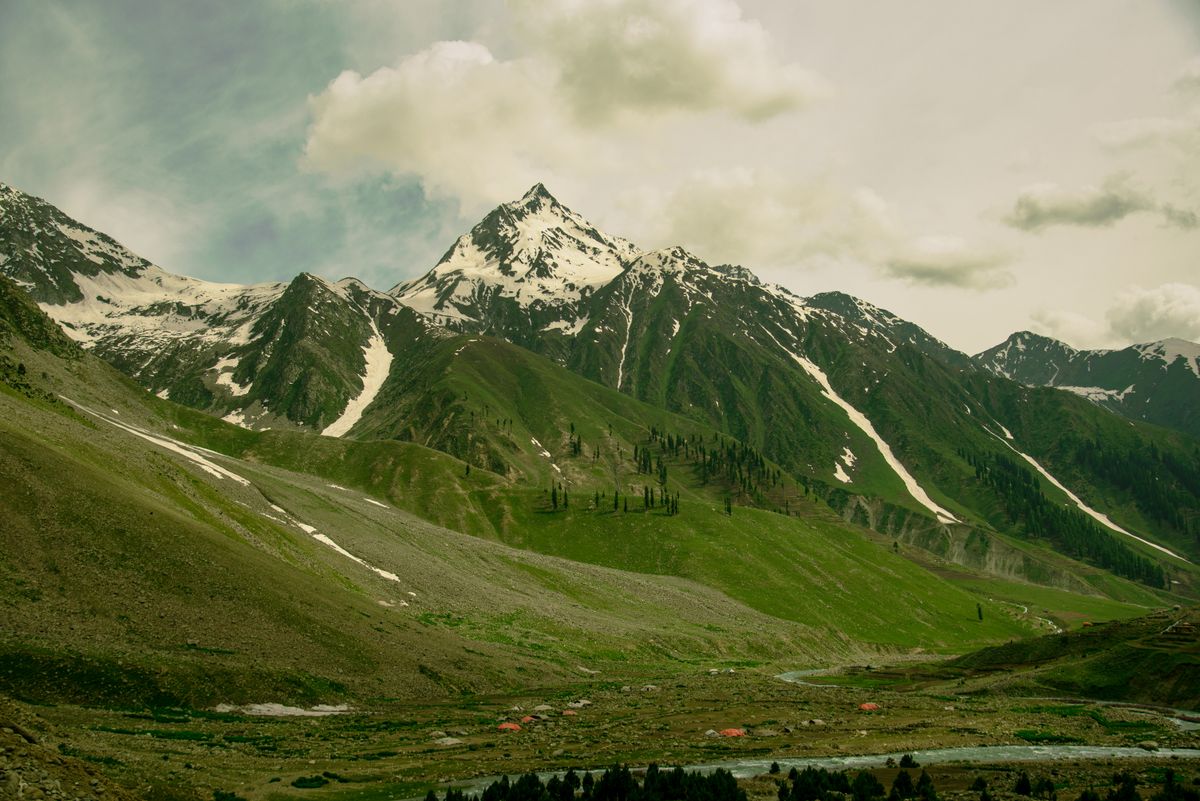
The Cares gorge walk is the classic: twelve kilometres each way along a path cut into a canyon wall, mostly level, spectacular and busy in August. The Fuente De cable car climbs 750 metres in four minutes and puts you on a plateau at 1,800.
Oviedo and the pre-Romanesque churches
Oviedo is the capital of Asturias, compact, prosperous and with an old town that Woody Allen described in terms local tourism has never stopped quoting. The reason to come is older than the city centre.
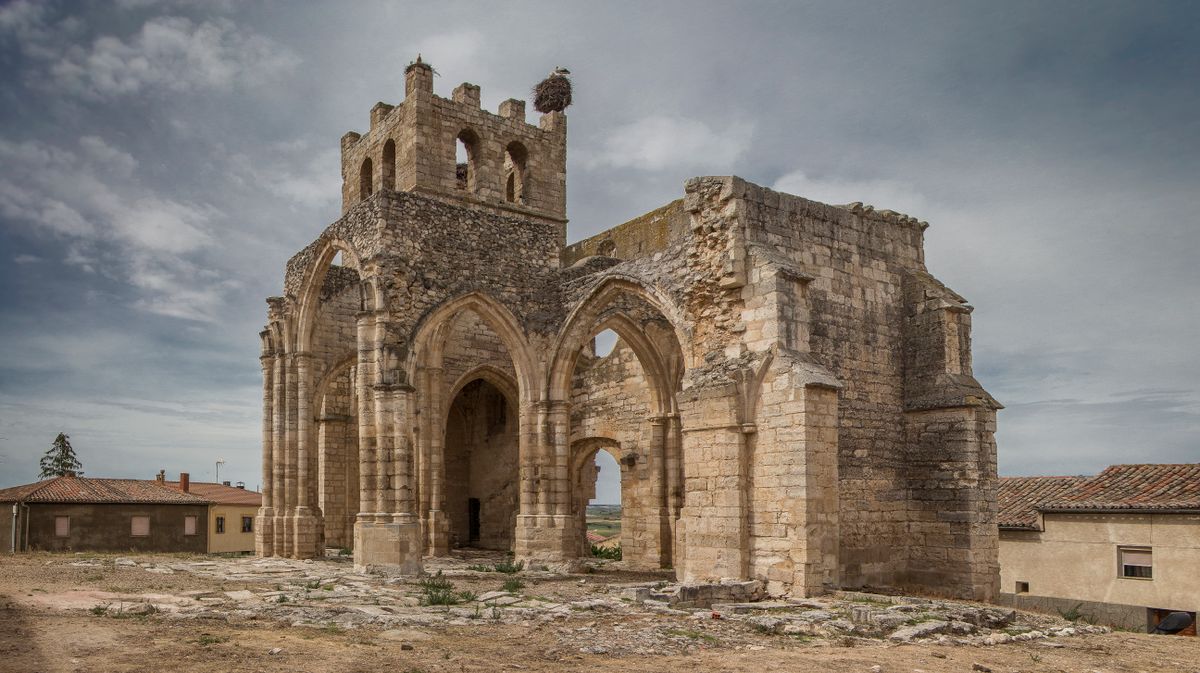
On the hillside above stand Santa Maria del Naranco and San Miguel de Lillo, ninth century buildings from a period when the small Asturian kingdom was the only Christian state left in Iberia. They are a UNESCO site, they are small, and they are unlike anything else in Europe.
Gijon, Santander and the coast
Gijon is the larger city, a working port with a beach in the middle of it and a headland of old fishermen houses. Santander, in Cantabria, is the elegant one: a bay, a royal summer palace and the Centro Botin arts centre on the waterfront.

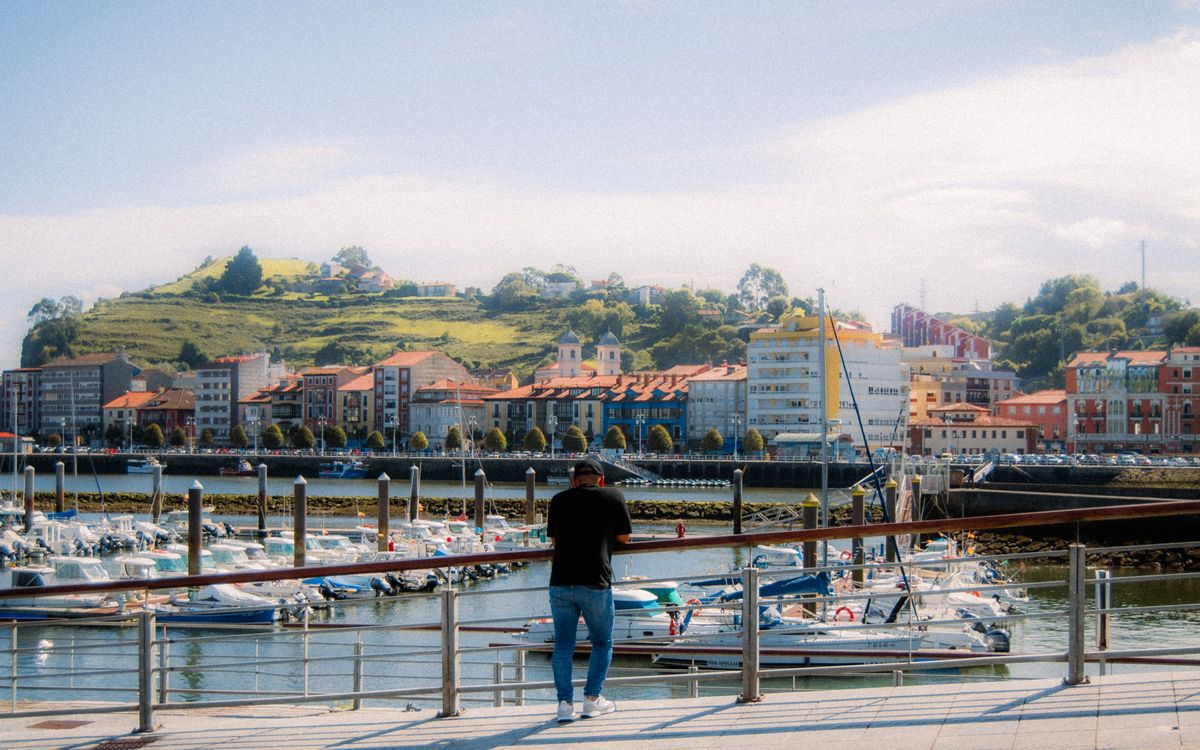
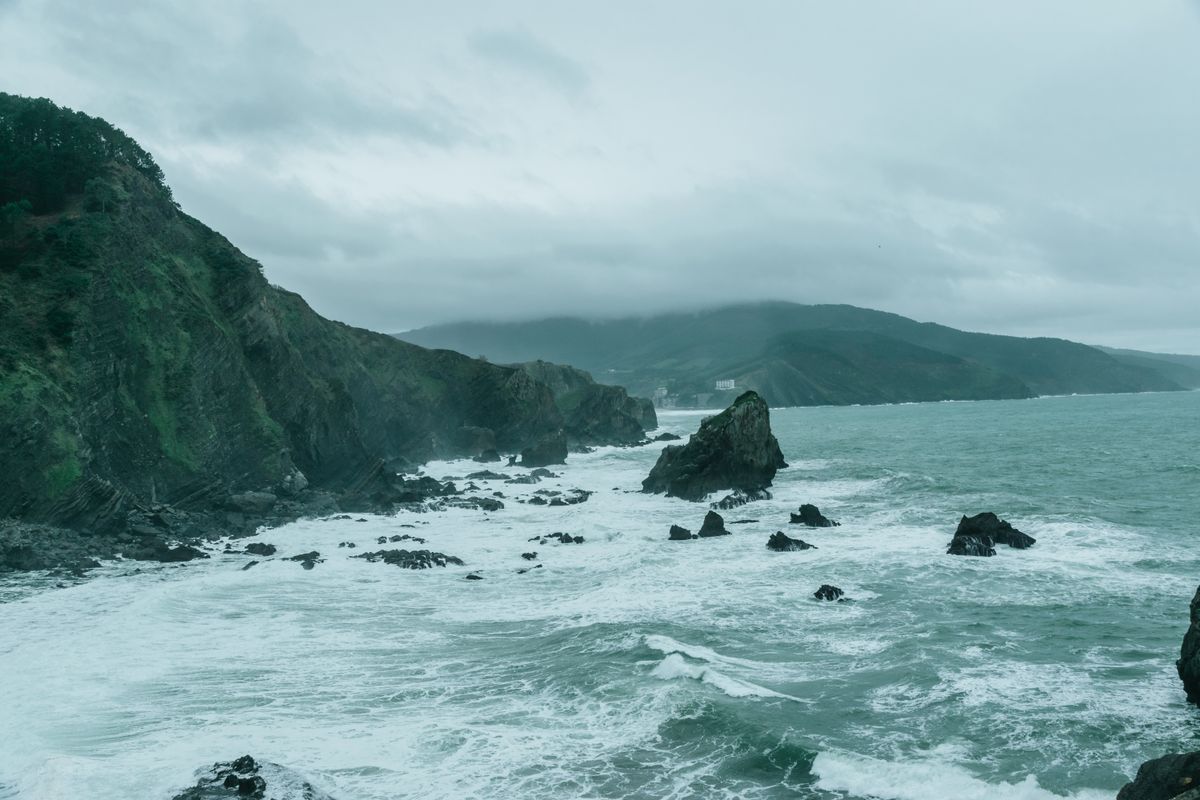
Between them lies a coast of small coves, cliffs and villages: Llanes, Ribadesella, Cudillero built vertically into a ravine, and San Vicente de la Barquera under the mountains.
Altamira and Comillas
The Altamira cave holds paintings around 36,000 years old, including the famous polychrome bison. The original cave is closed to protect it, and visitors see a full scale replica next to it, which is more informative than it sounds and is the only responsible option.
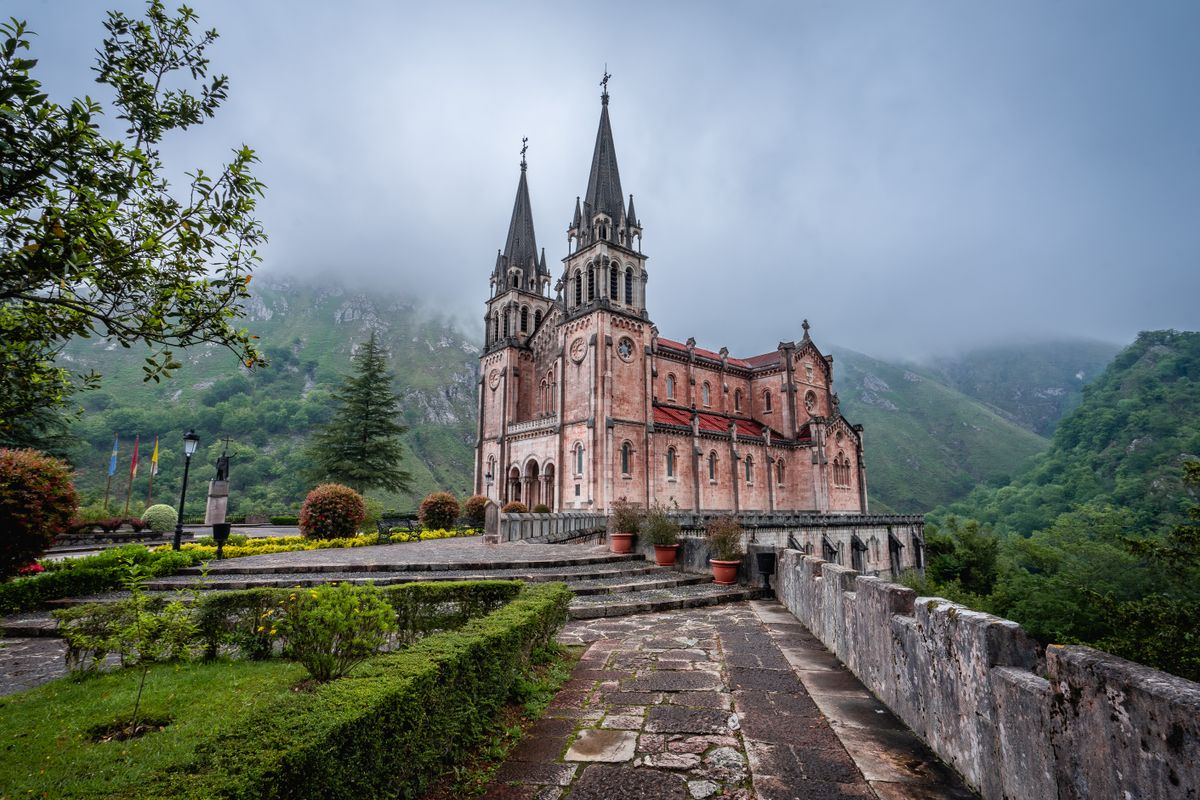
Comillas nearby has El Capricho, an early Gaudi building from the 1880s, which is startling to find in a small northern town and worth the detour.
Fabada, cachopo and cider
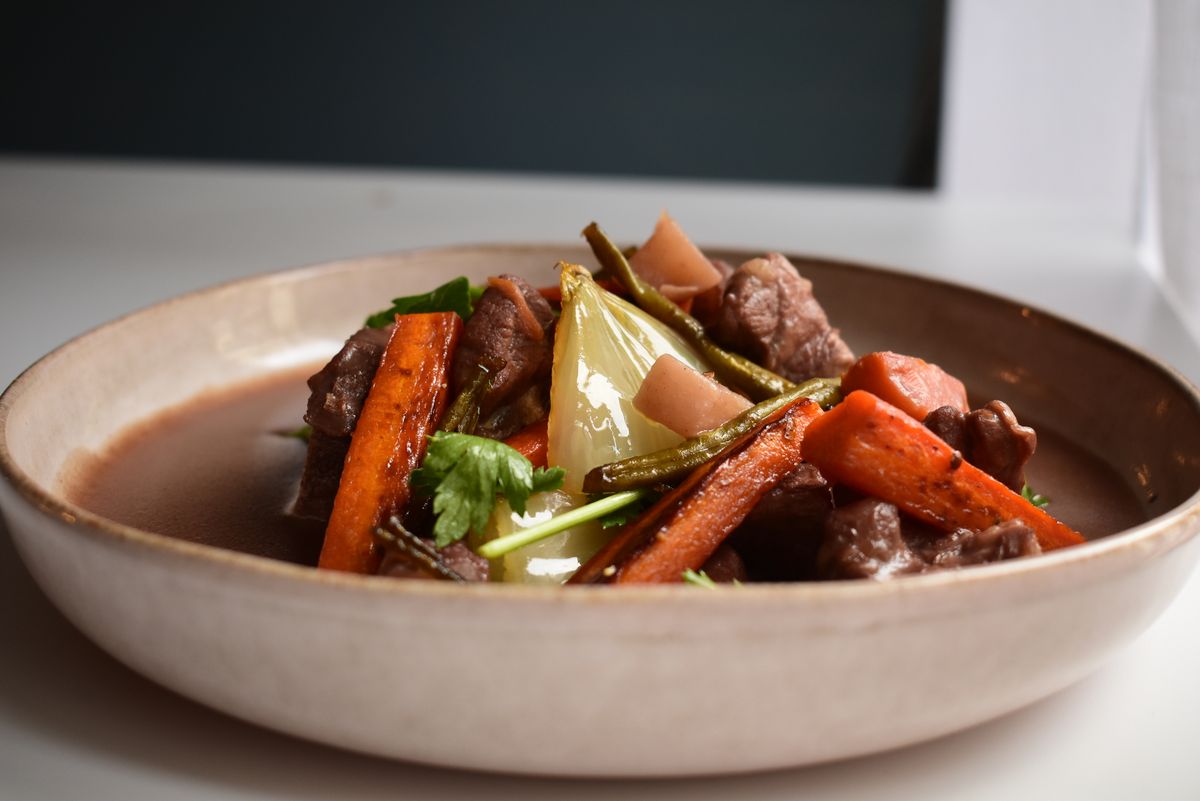
- Fabada asturiana: white beans with chorizo, morcilla and pork, and a whole afternoon afterwards.
- Cachopo: two veal fillets around ham and cheese, breaded and fried, and usually shared.
- Cabrales: a blue cheese aged in mountain caves, extremely strong and not for beginners.
- Sidra: Asturian cider, dry, still and poured from above the head to aerate it.
- Anchoas de Santona: Cantabrian anchovies, and a completely different thing to the tinned kind.
- Rice pudding, arroz con leche, with a burnt sugar crust.
The cider pouring is not a performance for visitors. The escanciado aerates a still cider that would otherwise be flat, you drink the small measure in one go, and you throw the last drops on the floor. Sidrerias have drains for exactly that.
Asturias or Cantabria, and practical advice
| Item | Detail |
|---|---|
| Airports | Asturias and Santander, plus Bilbao nearby |
| Getting around | a car. The coast road and mountain roads need one |
| Best months | June and September. July and August are Spanish holidays |
| Weather | it rains in every month. That is the deal |
| Asturias | mountains, cider, pre-Romanesque, wilder |
| Cantabria | coast, Santander, Altamira, gentler |
The pre-Romanesque monuments are described by UNESCO, and the Altamira replica is run by the national museum.
Frequently asked questions (FAQ)
Conclusion
Limestone peaks twenty kilometres from the Atlantic, ninth century churches that exist nowhere else, cave paintings older than almost anything in Europe, and cider poured over your head.
Take a car, accept that it will rain, walk the Cares gorge early, and eat the fabada at lunch rather than dinner.
