
 By

Hvar island is the sunniest in Croatia and, unusually, does three completely different things well: beaches with genuinely clear water, lavender fields that once made it the eighth largest producer in the world, and the most famous nightlife in the Adriatic.
The town and its fortress, which beaches are worth the boat, where the lavender actually is, how the nightlife has changed, and how to get there and around.
Hvar town: fortress, square and theatre
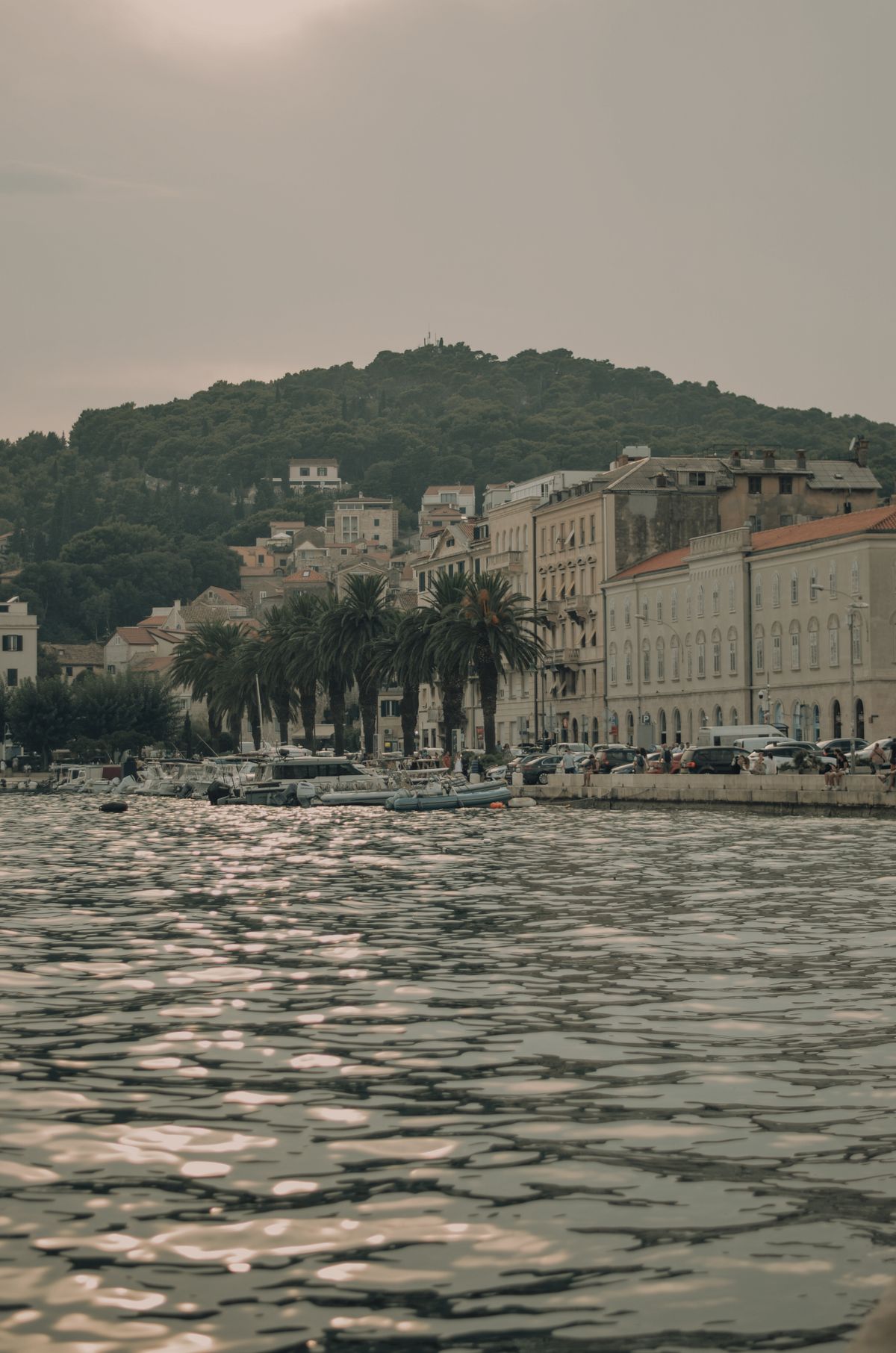
Hvar town wins you over immediately. The central square, Trg Svetog Stjepana, is the largest in Dalmatia, ringed by stone palaces, cafes and restaurants that come alive in the evening. At one end stands the sixteenth century cathedral of St Stephen, and the ferry from Split delivers you straight into the harbour beside it.

Fortica, the Spanish fortress above the town, was begun by the Byzantines in the sixth century and extended by the Venetians from 1278. The climb takes twenty to thirty minutes through stone lanes and pines, and the panorama over the Pakleni islands at the top is worth every step, particularly at sunset.
On the ground floor of the seven hundred year old Arsenal building is the Hvar Public Theatre, from 1612, among the oldest public theatres in Europe. It was revolutionary because it admitted every social class, from fishermen to nobles, into the same room.
The fifteenth century Franciscan monastery holds a small museum with a Last Supper by Matteo Ingoli, and its cloister is the quietest corner in town.
The beaches
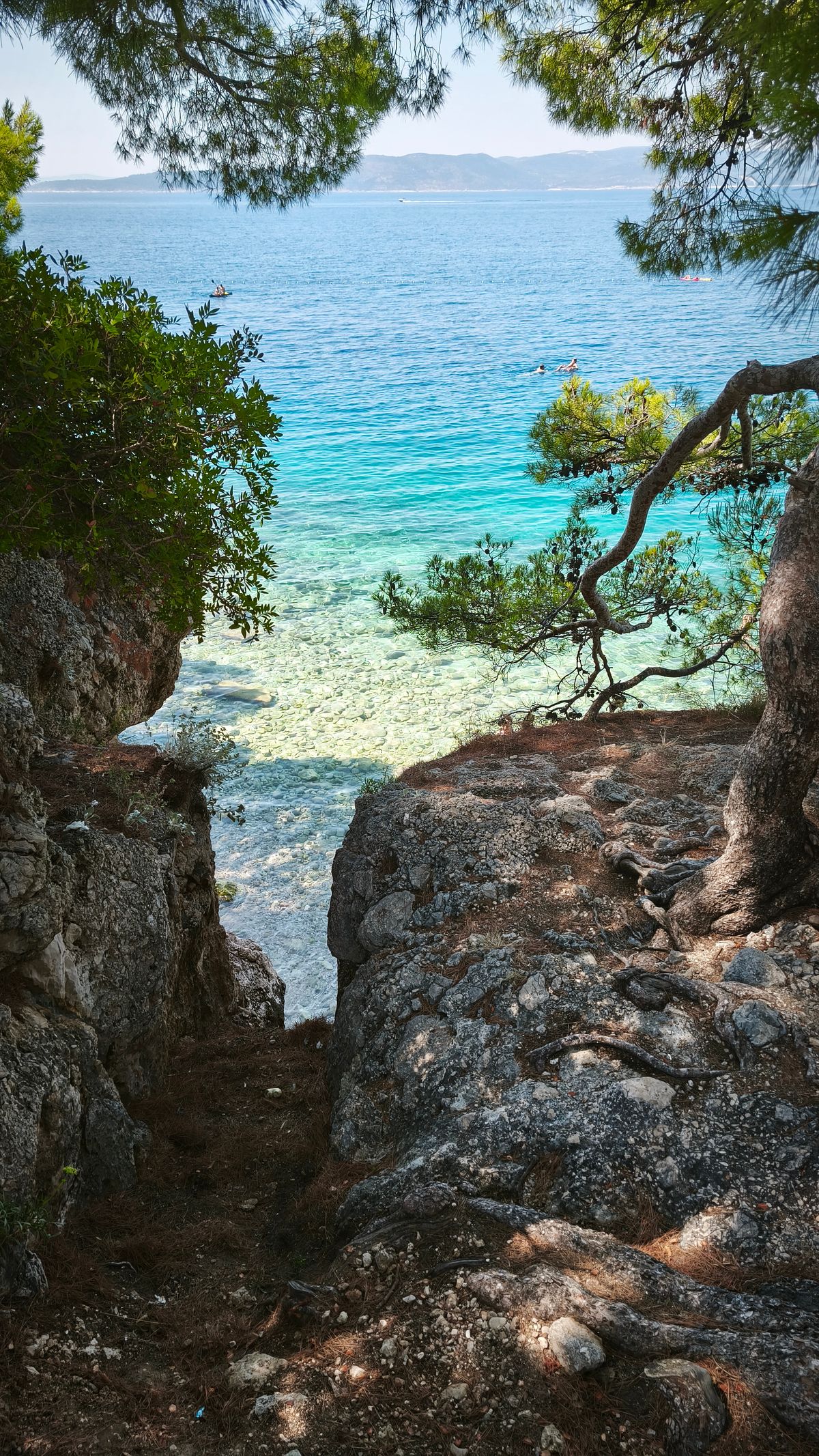
The beaches are the main reason most people come. The water is clear, the coves are hidden and the landscape is limestone rather than sand, which is normal for this coast.
| Beach | How to reach it | Character |
|---|---|---|
| Dubovica | 8 km by car or bus, then a 10 minute path | white shingle arc under an 18th century villa |
| Pokonji Dol | 25 minutes on foot from Hvar town | the largest shingle beach in town, two restaurants |
| Mlini, Pakleni islands | 15 minutes by water taxi, about 10 EUR return | possibly the clearest water near Hvar, family friendly |
| Palmizana, Sv Klement | 30 minutes by water taxi, about 15 EUR return | pine shaded, with a botanical garden and restaurants |
| Jerolim and Marinkovac | water taxi from the harbour | quieter, small coves, some naturist sections |
The Pakleni islands are sixteen pine covered islets reachable by water taxi from Hvar harbour, running every twenty to thirty minutes in summer. They are where locals go when the town beaches fill up.
The lavender fields
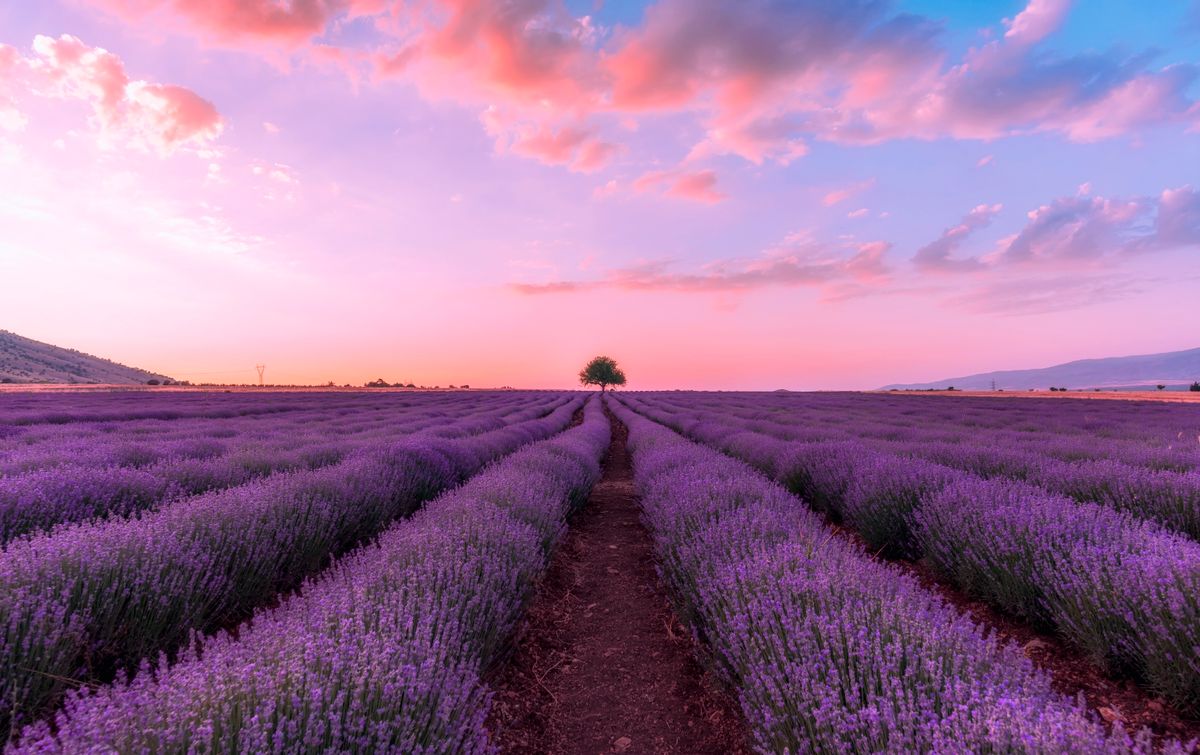
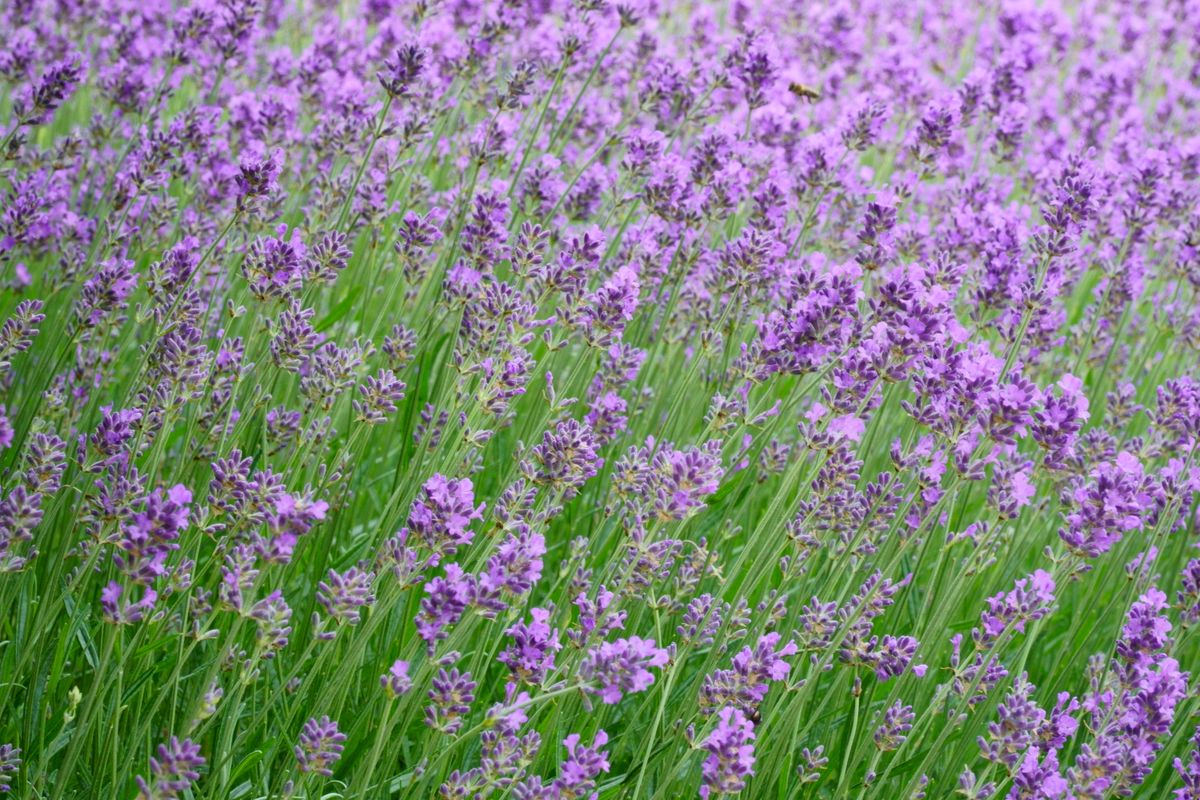
Hvar is called the lavender island, and with reason. Cultivation began in 1928, when two teachers brought three seedlings to the island. By 1974 Hvar was the eighth largest lavender producer in the world, and the fields still bloom from mid June to late July.
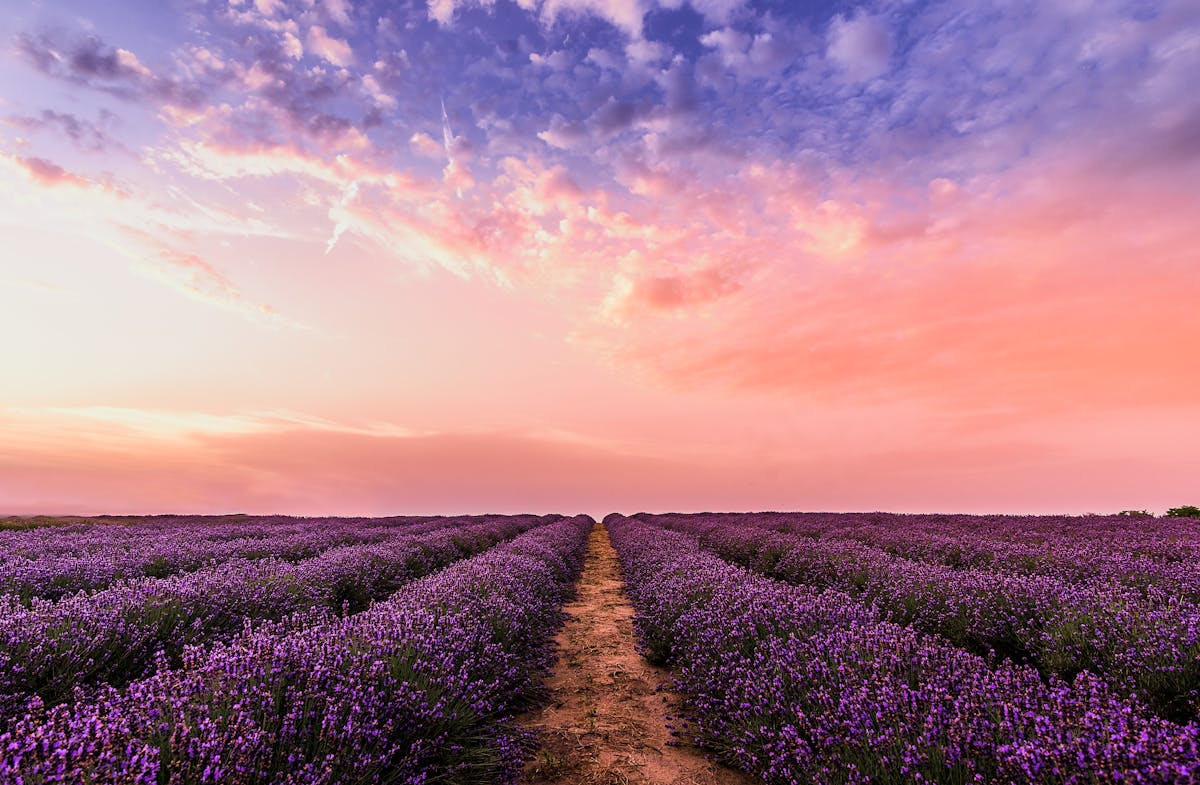
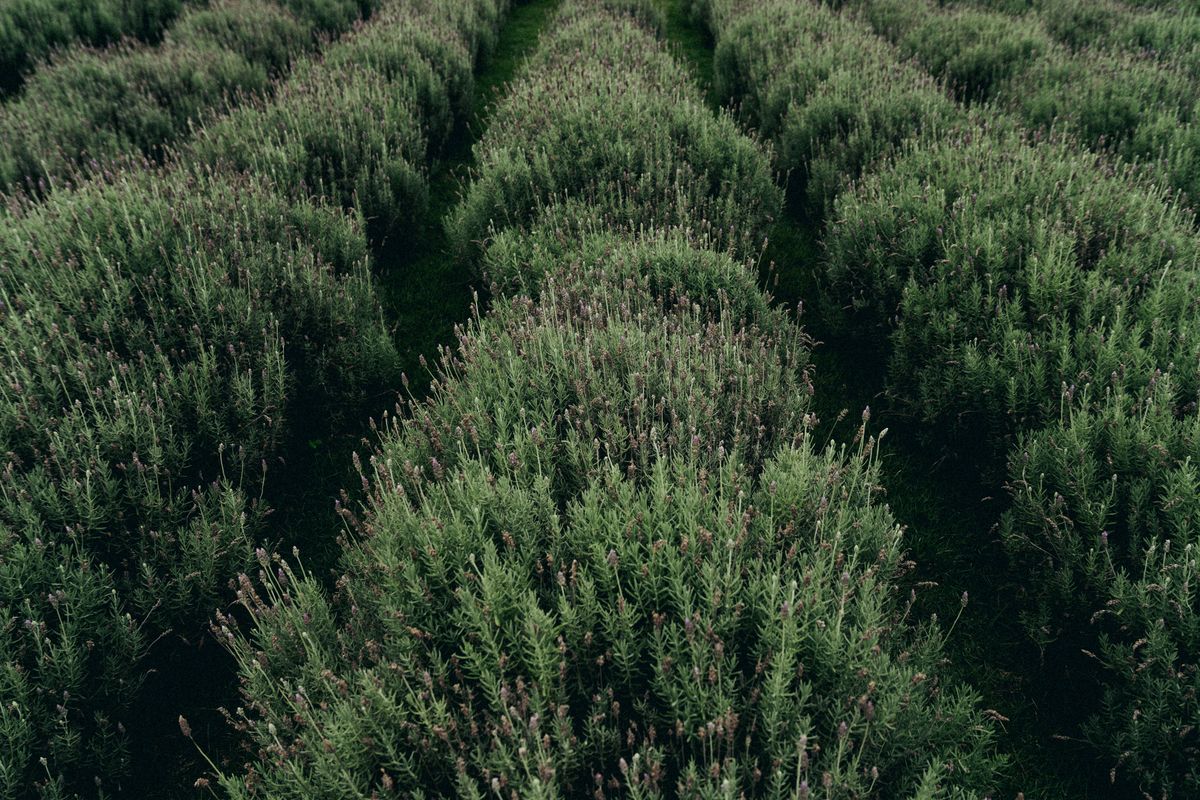
The village of Velo Grablje, a few kilometres from Hvar town, was once the epicentre of lavender production for the whole of Dalmatia. Its population collapsed, but a local association has revived the traditions, and the annual lavender festival includes harvesting with a sickle at sunrise and distilling in traditional stills.
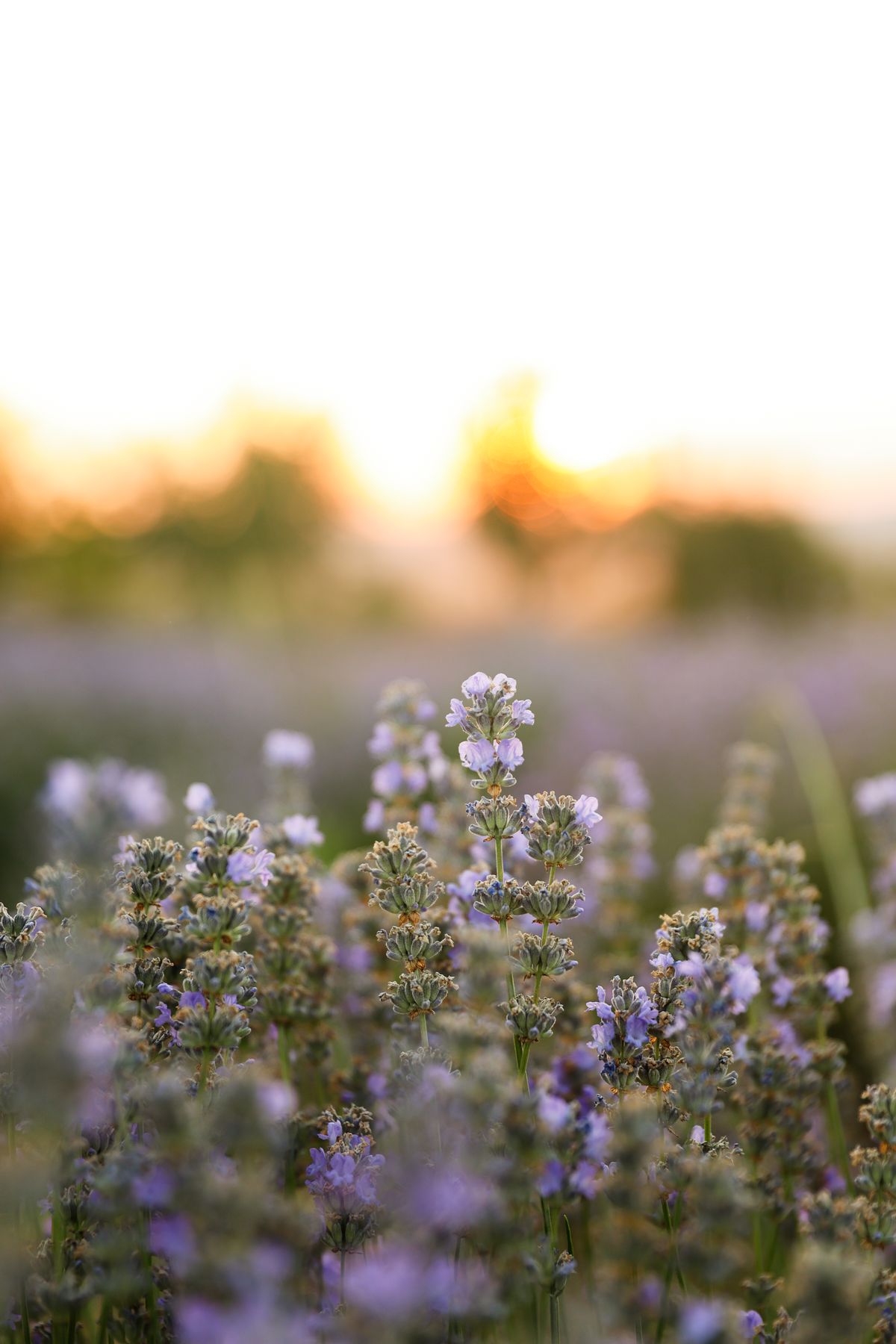
The lavender route: drive fifteen minutes from Hvar town to the Vidikovac viewpoint, then walk through Velo Grablje to Malo Grablje, an abandoned medieval village, about an hour, and on down to Milna and its beach, another forty-five minutes. From Milna there is a bus back, or you can swim and eat lunch first.

What to buy: lavender essential oil, scented sachets, lavender honey, soaps and cosmetics, sold at markets and shops across the island. They are the easiest souvenirs to carry home.
The nightlife, and how it has changed
Hvar has one of the most famous nightlife scenes in the Adriatic, running from June to September. It has changed significantly in recent years: stricter noise regulations, capacity limits on clubs, and a shift towards earlier hours.
- The famous harbour club that opened in 1999 remains the landmark, though its beach club on Stipanska now runs daytime hours rather than all night.
- The beach bar fifteen minutes along the coast is still the best after beach party in Croatia, with the peak now the sunset window from five to seven.
- An underground club near the main square picks up when the beach bars close, with noise monitoring installed under the new rules.
- Quieter alternatives have appeared: candlelit bars with lavender infused cocktails, and venues running silent parties with headphones.
The practical consequence: the party now starts and ends earlier than its reputation suggests. Plan for a sunset session rather than an all night one, unless you are staying somewhere specific that runs late.
Food and wine
Hvar produces exceptional wines from local varieties found almost nowhere else, principally Plavac Mali, a robust red related to Zinfandel, grown on terraces so steep they can only be worked by hand.
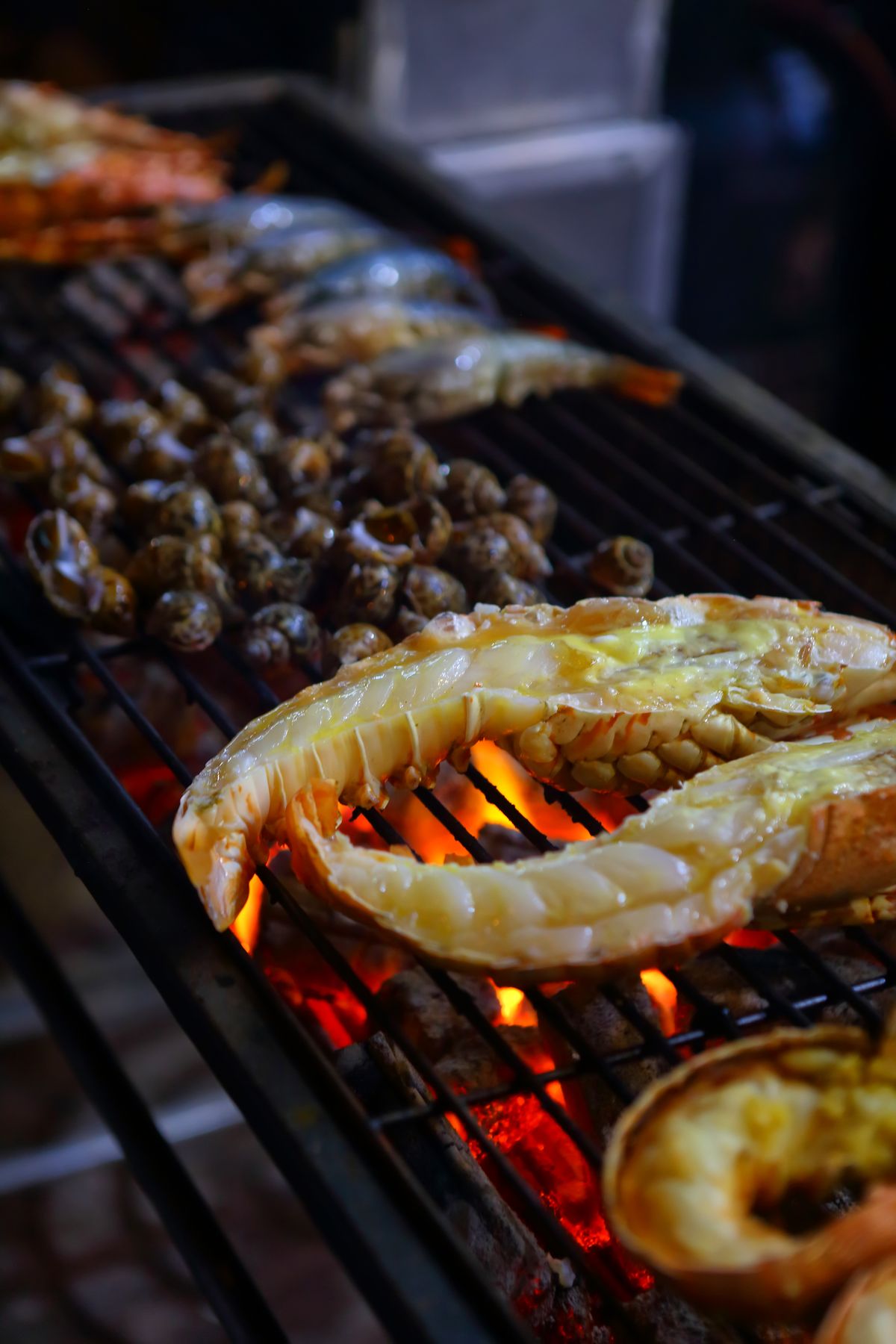
What to eat: peka, meat or octopus cooked slowly under an iron bell and ordered a day in advance, gregada, the local fish stew with potatoes and white wine, and fresh grilled fish sold by weight.
The best konobas, the traditional taverns, are inland rather than on the waterfront: in the isolated hill villages, in the abandoned village of Malo Grablje, and among the olives on Sv Klement. They cost less and cook better.
Day trips from Hvar
The Blue Cave
On the small island of Bisevo near Vis, sunlight enters through an underwater opening and refracts off white limestone, producing an unreal silver blue. The best time is between eleven and two. The entrance is only 1.5 metres high, so you duck in the boat. Day tours from Hvar leave at nine and return at six, cost 80 to 100 euros per person, plus a cave entry fee of 18 to 24 euros.
Stari Grad
Thirty minutes by car from Hvar town, Stari Grad was founded in 384 BC as Pharos and is one of the oldest towns in Europe. The Stari Grad Plain, a UNESCO site since 2008, is an agricultural landscape 2,400 years old that still uses the geometric field divisions laid out by the Greeks. The sixteenth century Tvrdalj villa, with its saltwater fish pond, costs about 5 euros and is worth it.
Jelsa and the interior
Jelsa, on the north coast, is quieter and cheaper than Hvar town, with a good waterfront and several wineries nearby that take visitors by appointment.
Getting there and getting around
Ferries and catamarans run from Split, which is the main gateway. The fast catamaran takes about an hour to Hvar town, and the car ferry about two hours to Stari Grad, from where a bus connects to Hvar town in twenty minutes.
| Route | Time | Notes |
|---|---|---|
| Split to Hvar town, catamaran | about 1 h | foot passengers only, book ahead in summer |
| Split to Stari Grad, car ferry | about 2 h | takes vehicles, then 20 min by bus |
| Dubrovnik to Hvar, catamaran | about 3 h 30 | seasonal, one service a day |
| Bol on Brac to Hvar | about 1 h | seasonal catamaran |
On the island, hire a scooter or a small car if you want the lavender route, the inland villages and Stari Grad. Buses connect the main towns but not the beaches. Water taxis handle the Pakleni islands. Background is on Wikipedia and practical information on the island tourism site.
Three days on Hvar island
Day one, the town: coffee on the main square, the cathedral and the Franciscan monastery, Pokonji Dol beach for the afternoon, then the climb to Fortica for sunset and dinner in the old lanes.
Day two, the Pakleni islands: water taxi to Palmizana in the morning, swimming and snorkelling, lunch on the island, another cove in the afternoon, and back for the sunset session on the coast.
Day three, lavender and wine: hire a scooter, drive to Stari Grad for the UNESCO plain and the Tvrdalj villa, then Jelsa and a winery by appointment, and in June or July the lavender route on the way back.
Frequently asked questions (FAQ)
Conclusion
Hvar manages to be three islands at once: a beach island with genuinely clear water, a lavender island with fields inland that almost nobody walks, and a party island whose reputation is now larger than its actual opening hours.
Book the catamaran, hire a scooter for one day, climb to the fortress for sunset, and eat inland rather than on the waterfront. The version of Hvar people remember is usually the one they found away from the harbour.
