
 By

Budva or Kotor is the question almost everyone planning a first trip to Montenegro ends up asking. They are half an hour apart and they offer completely different holidays. This is a comparison criterion by criterion: beaches, atmosphere, nightlife, culture, day trips, prices and accommodation.
By the end you will know which one fits the holiday you actually want, or how to combine the two intelligently, which is often the better answer.
Budva or Kotor: two faces of the same coast
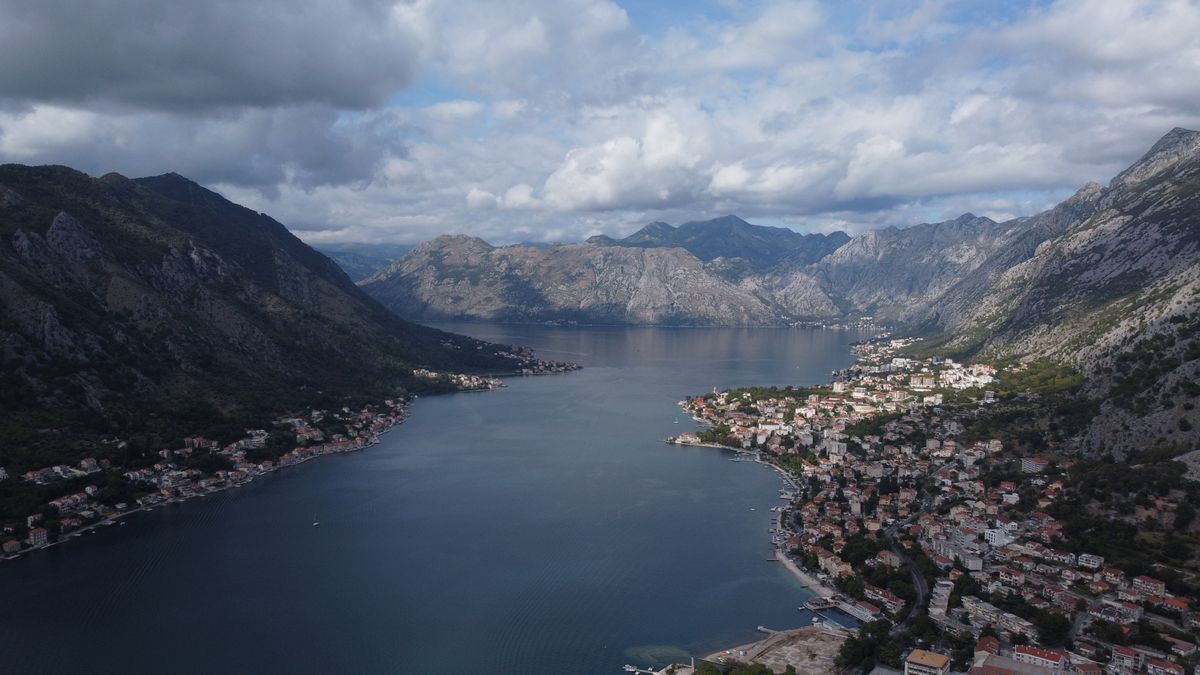
The Montenegrin coast is short but remarkably varied. In under 300 kilometres you go from bays closed in by mountains to sunlit rivieras of sand and shingle. Budva sits in the middle of the riviera that carries its name, with the best beaches in the country at its feet. Kotor sits at the far end of its bay, inside medieval walls, where the mountain falls straight into the sea.
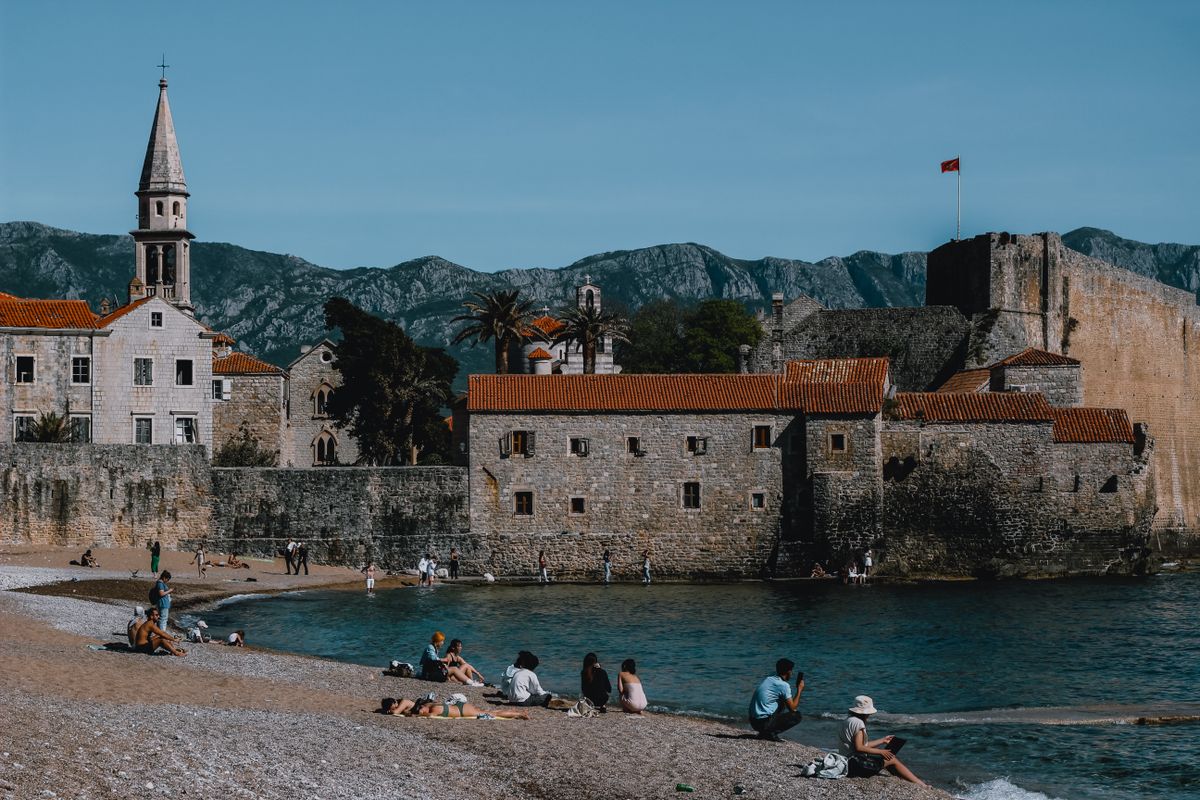
The short distance between them makes the choice harder rather than easier, because whichever you pick, the other is an easy excursion away. The real difference is not what you can visit. It is what an ordinary day of your holiday looks like: a towel on the sand and a cocktail at sunset, or coffee in stone squares with the bay in front of you.
Budva in short
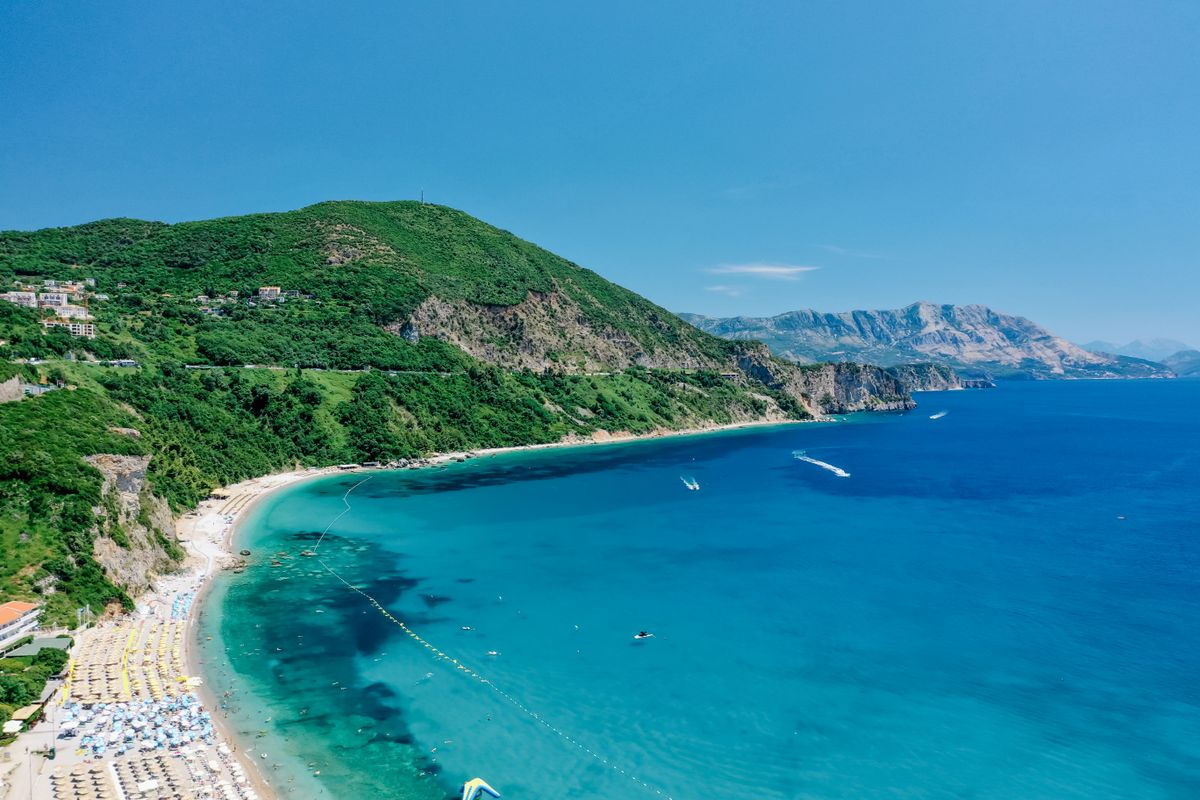
Budva is the capital of Montenegrin tourism: a Venetian old town the size of your palm, surrounded by a busy resort with hotels, terraces, clubs and kilometres of beach. Stari Grad, the old town, is a charming miniature with walls, a citadel and marble lanes, and the statue of the dancer on the rocks with the fortress behind has become the symbol of the town.
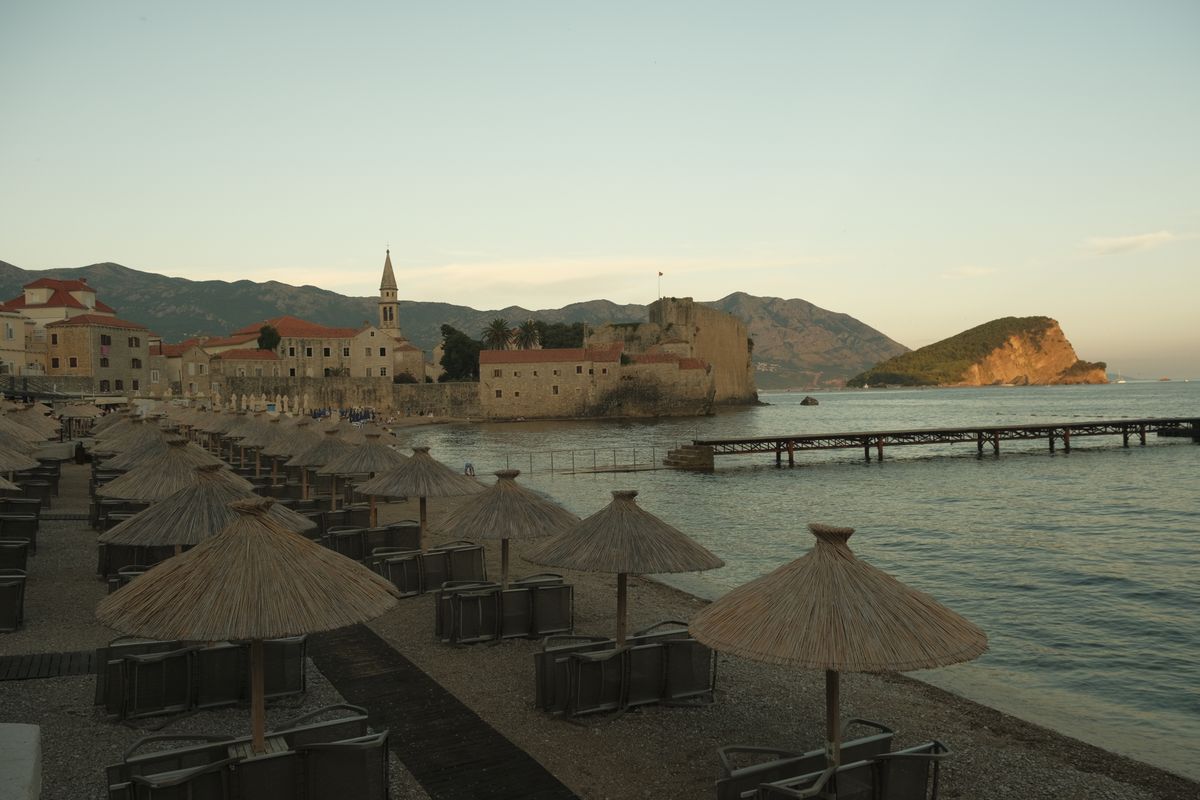
The beaches are the real asset: Mogren, hidden below the cliffs at the end of a coastal path, Slovenska plaza, the resort endless kilometre of sunbeds, and nearby Jaz, Becici and Kamenovo, each with its own character.
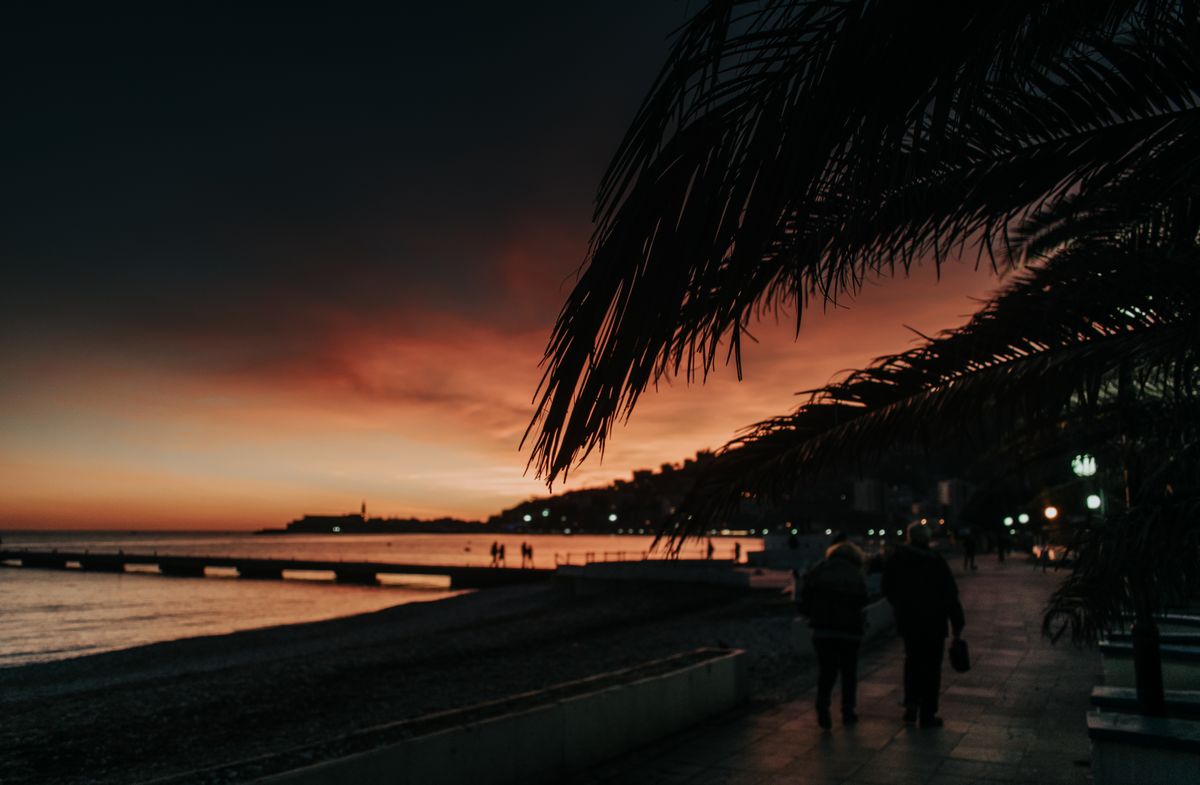
In the evening Budva changes. The terraces fill, the music starts and the clubs keep going until dawn. It is the town in Montenegro that does not sleep.
Kotor in short
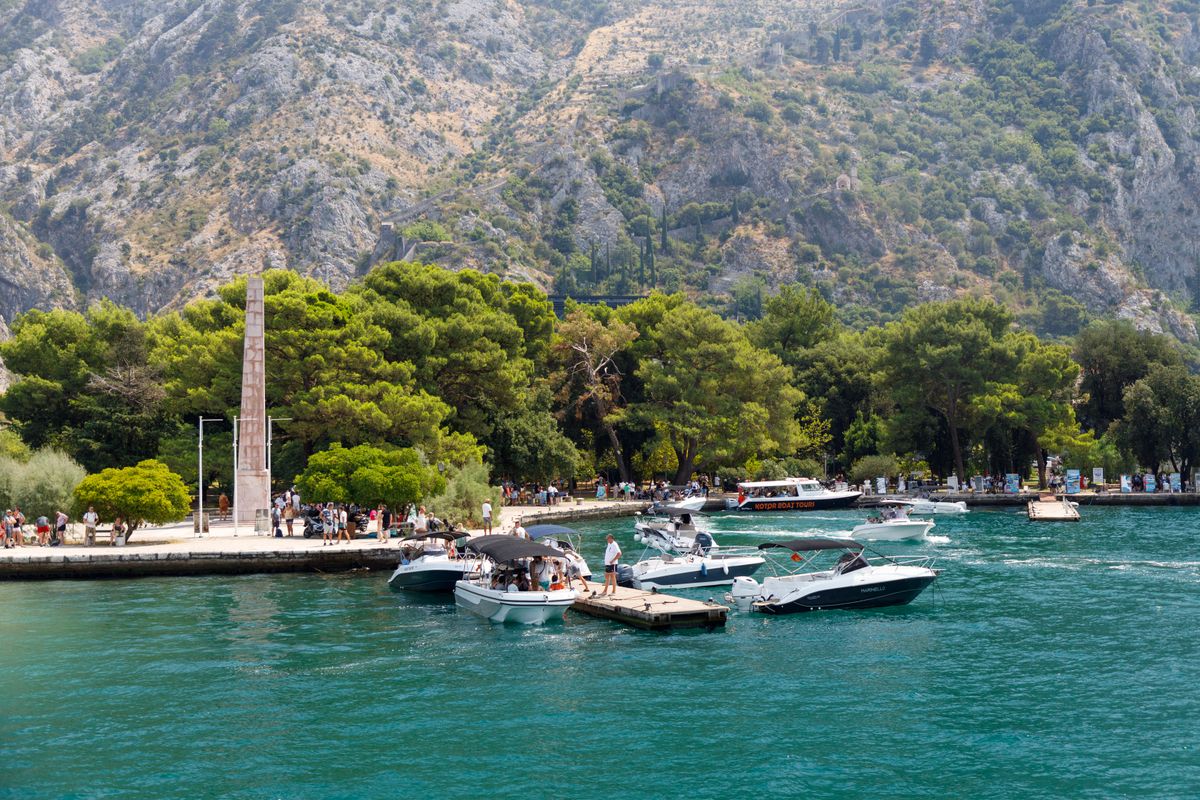
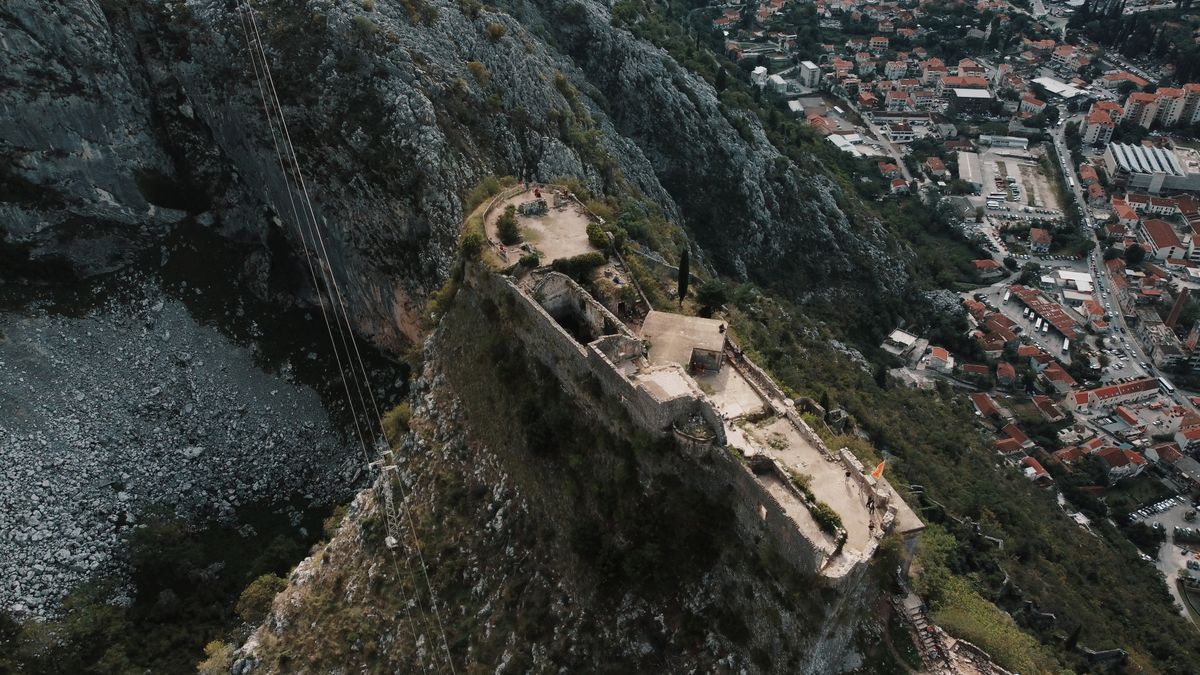
Kotor is the opposite: a living museum town, UNESCO protected, in the most spectacular natural setting on the coast. You do not come here for the beach. You come for the atmosphere in the stone squares, for the Romanesque cathedral of St Tryphon, for the cats asleep in the sun, and for the legendary climb up the walls to the fortress of San Giovanni with the bay spread out below.
The rhythm is slower: mornings with coffee on the waterfront at Dobrota, walks between palaces, evenings with wine and fish under lanterns.
What you do not get: real beaches, since the shore of the bay offers only concrete platforms and narrow strips of shingle, and loud clubs. What you get instead is the most beautiful landscape on the Adriatic, often from your bedroom window.
The comparison at a glance
| Criterion | Budva | Kotor |
|---|---|---|
| Beaches | excellent, several of the best in the country | none in practice, platforms and shingle |
| Nightlife | beach clubs, DJ bars, terraces until dawn | wine in the squares, quiet after midnight |
| Old town | small and charming, half a day | a full day, plus the walls |
| Landscape | open riviera, sunny | the most dramatic on the Adriatic |
| With small children | ideal, shallow water and facilities | awkward, no beach |
| With a camera | good | exceptional |
| Crowds | constant through the season | concentrated between 10:00 and 17:00 on cruise days |
| Prices | comparable, peaks in July and August | comparable, cheaper in the bay villages |
Beaches and nightlife
If your ideal holiday means mornings on a sunbed and clear water, Budva wins without argument. Mogren, five minutes from the old town along a path cut into the cliff, is the favourite, with Jaz and Becici completing the podium: sand mixed with fine shingle and a gentle entry into the sea, which is what families need. In summer the central beaches fill up, so go early or choose a more secluded cove such as Kamenovo.
On nightlife the gap is just as wide. Budva has beach clubs, DJ bars and terraces full until late, while Kotor offers evenings with local wine in the squares, the occasional concert and quiet after midnight. It is not a judgement, it is a question of style: party people choose Budva, romantics choose Kotor.
Culture and atmosphere
Here the ratio inverts. The old town of Budva is a pleasant half day: walls, citadel, small churches and galleries. Kotor is a world of its own: the cathedral of St Tryphon with almost nine centuries of history, the palaces of the noble families, the maritime museum, the cats that have become an emblem, and above all the climb of roughly 1,350 steps to the fortress of San Giovanni, one of the great experiences of the Adriatic.
The daily atmosphere differs too. In Kotor, early in the morning and late in the evening, once the cruise ships have gone, the town belongs to its residents again and becomes hard to match. Budva stays lively at any hour, with the energy of a large resort: cheerful and alive, but rarely intimate in high season. Background on both towns is on Wikipedia, and official information on the national tourism site.
Where to sleep, specifically
In Budva, for atmosphere, choose the edges of the old town or the Mogren area, bearing in mind that in summer the music carries late. For beaches and families, Becici and Rafailovici have modern hotels a few steps from the sea, linked to Budva by a promenade. For budget, the apartments behind Slovenska plaza remain the classic answer. Avoid the main roads if you sleep lightly.
In Kotor, rooms inside the walls are the ultimate romantic experience, but they come with higher prices, suitcases dragged over stone and church bells in the morning. The intelligent alternative is Dobrota, Muo or Prcanj, the villages strung along the shore of the bay, with guesthouses whose terraces reach the water, superb views towards the fortress and a short walk or drive into town.
For a week, split it. Three or four nights in the Kotor area for the bay, the walls and the trip to Perast, then three or four nights on the Budva riviera for the beach and the long evenings. Half an hour between them makes the move painless, and the holiday gets two completely different acts.
Day trips from each
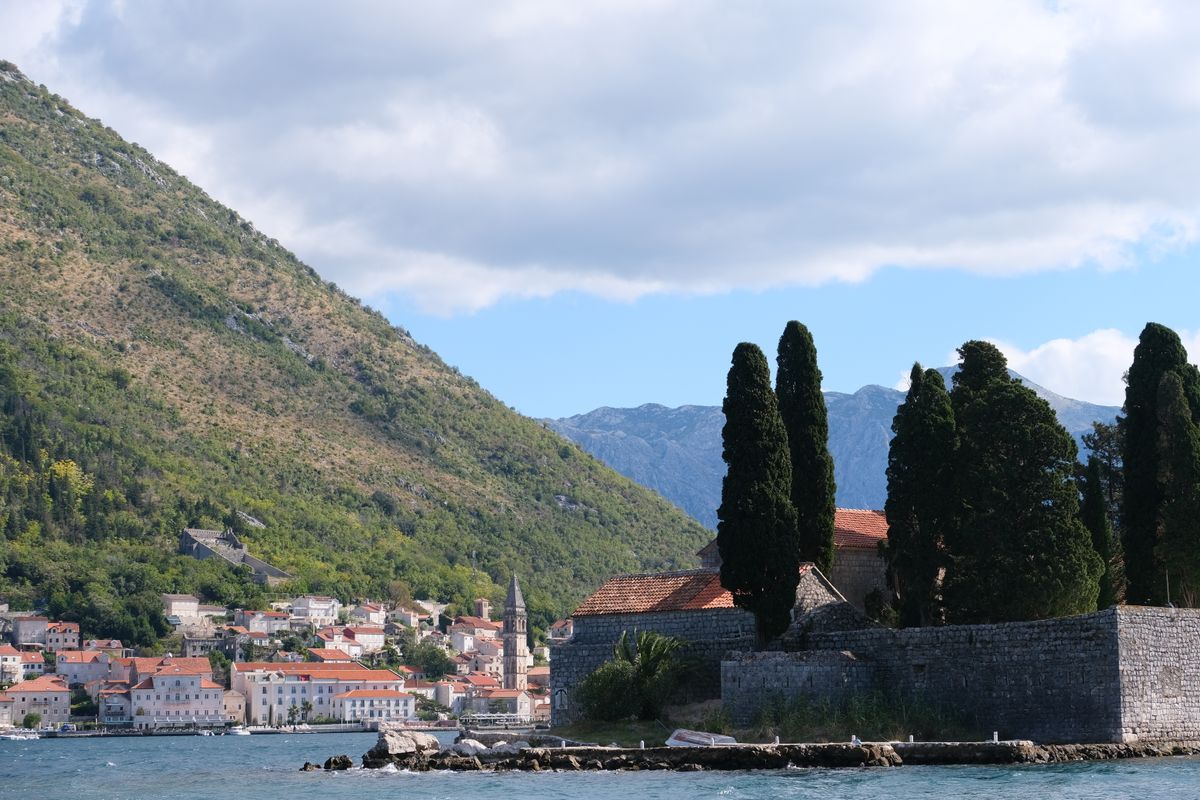
From Kotor the excursions revolve around the bay: Perast and the island of Our Lady of the Rocks, the villages along the shore, the spectacular hairpins up to Mount Lovcen and the mausoleum of Njegos, or the ferry to Herceg Novi.
From Budva the compass points south: the famous island hotel of Sveti Stefan a quarter of an hour away, the riviera beaches, the old royal capital of Cetinje, and the boat trip to Sveti Nikola, the island facing the harbour. From either base you can reach the northern mountains and Durmitor National Park in one long day.
The verdict: which for whom
Choose Budva if the beach is the centre of your holiday, if you are travelling with children who want shallow water and slides, if you like busy evenings and clubs, or if you want the widest choice of hotels and apartments on the coast. It is the complete resort, with everything that implies, good and bad.
Choose Kotor if you value atmosphere, history and landscape more than a sunbed, if you are travelling as a couple or with a camera permanently to hand, if you want to walk the walls at sunrise and eat dinner in a medieval square. It is the traveller choice rather than the beach holiday choice.
And if you do not want to choose, do not. Half the trip in each, or one base and excursions in the other direction. The Montenegrin coast is small enough to have both in the same holiday.
Frequently asked questions (FAQ)
Conclusion
Budva or Kotor is really a question about what you want your mornings to look like. Sand and shallow water, or stone squares and a mountain falling into the bay.
Both are half an hour apart, which is why the honest answer for anyone with a week is to stop choosing and take three or four nights in each. The move costs you one afternoon and gives you two entirely different holidays.
