

 By
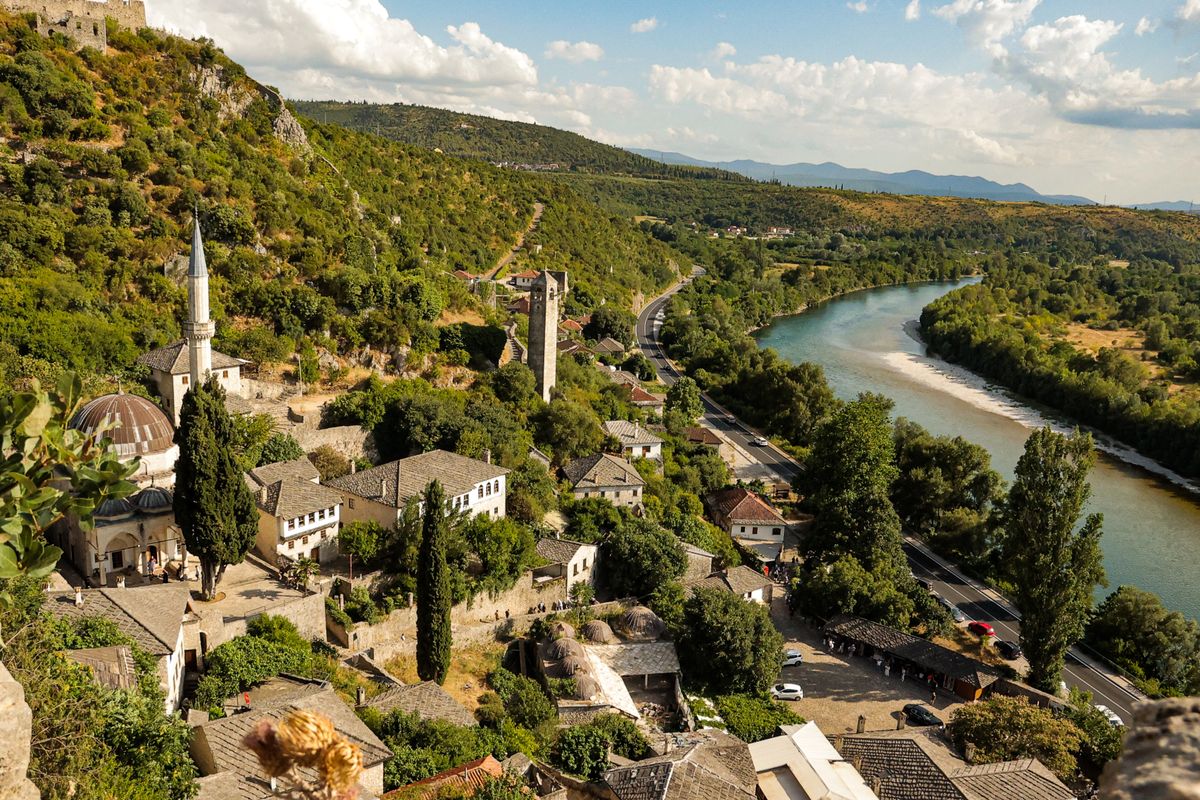
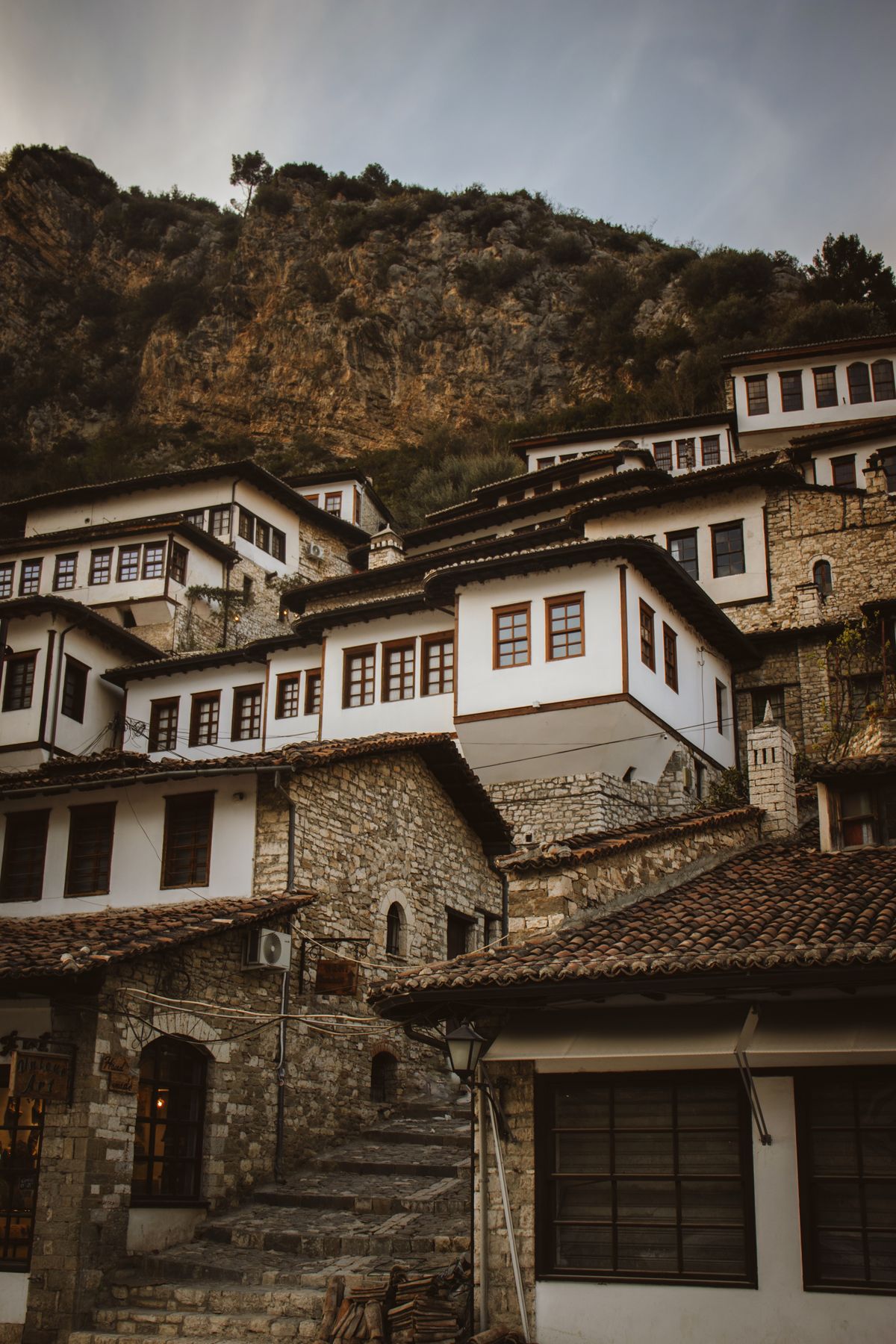
Berat is one of the oldest continuously inhabited towns in Europe, with a history running back roughly two thousand four hundred years, and it is best known for a single image: hundreds of white Ottoman houses stacked up a steep hillside, each with rows of large windows facing the valley. That view earned it the nickname of the town of a thousand windows.
This guide covers the three historic quarters and what is in each, the castle that people still live inside, the food, the budget, and an itinerary for one or two days depending on how much time you have.
Berat: a town with two thousand four hundred years of history
Berat sits in south-central Albania, about a hundred and twenty kilometres south of Tirana, on the banks of the Osum. Settlement here is continuous rather than interrupted, which is rarer than it sounds and is the main reason for its UNESCO listing.
The old town is divided into three historic quarters by the river: Kalaja, the castle quarter on the hill, Mangalem below it on the same bank, and Gorica on the opposite side. Together they form an urban ensemble of unusual architectural coherence, largely Ottoman in character but built over Byzantine and earlier foundations.
Getting there is straightforward. Minibuses run from Tirana in two to three hours for around five euros, and the town is small enough that everything worth seeing is within walking distance once you arrive.
From Kalaja castle to the Mangalem quarter
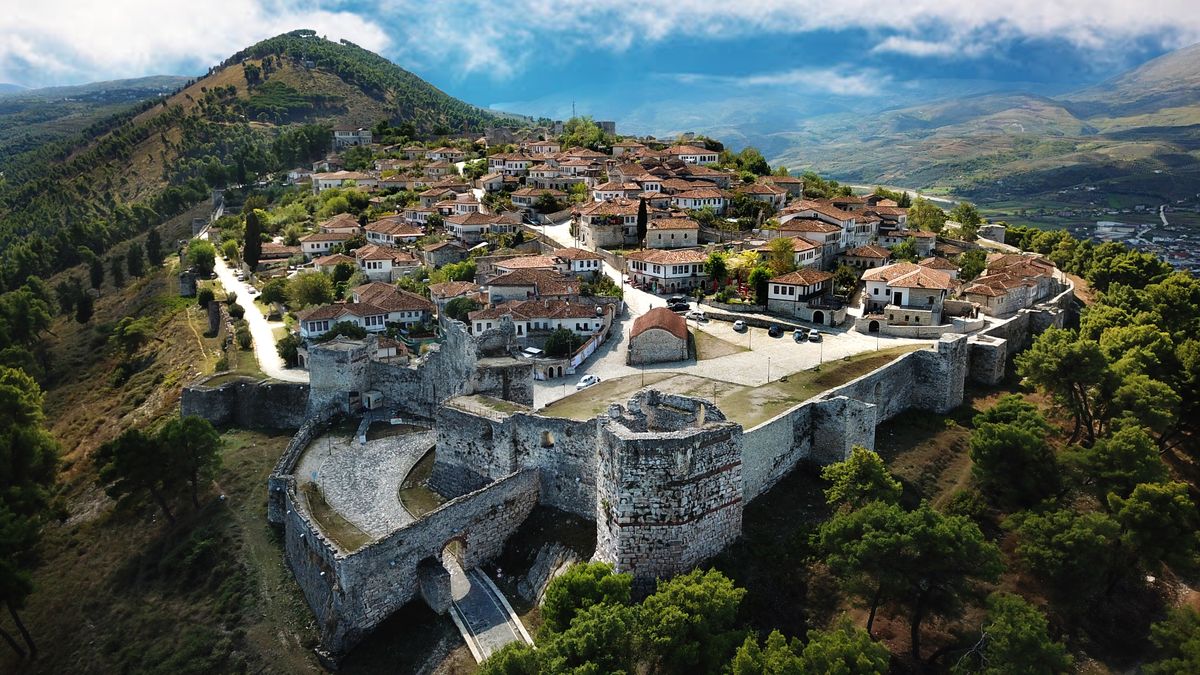
The castle dominates the town from a hill two hundred and fourteen metres high. Its origins are ancient, its present walls largely thirteenth century, and it has one feature that sets it apart from almost every other fortress in Europe.
People still live inside it. Kalaja is not a monument with a ticket office and a gift shop but an inhabited quarter, with houses, washing lines, cats and a few small guesthouses, enclosed by medieval walls. Walking through it feels like trespassing until you realise everyone else is doing the same.
Within the walls stand several Byzantine churches, the most important being the Church of the Dormition of St Mary, which houses the Onufri museum. Onufri was a sixteenth-century icon painter whose red pigment was so distinctive that its recipe is still debated, and the collection is the finest of its kind in Albania.
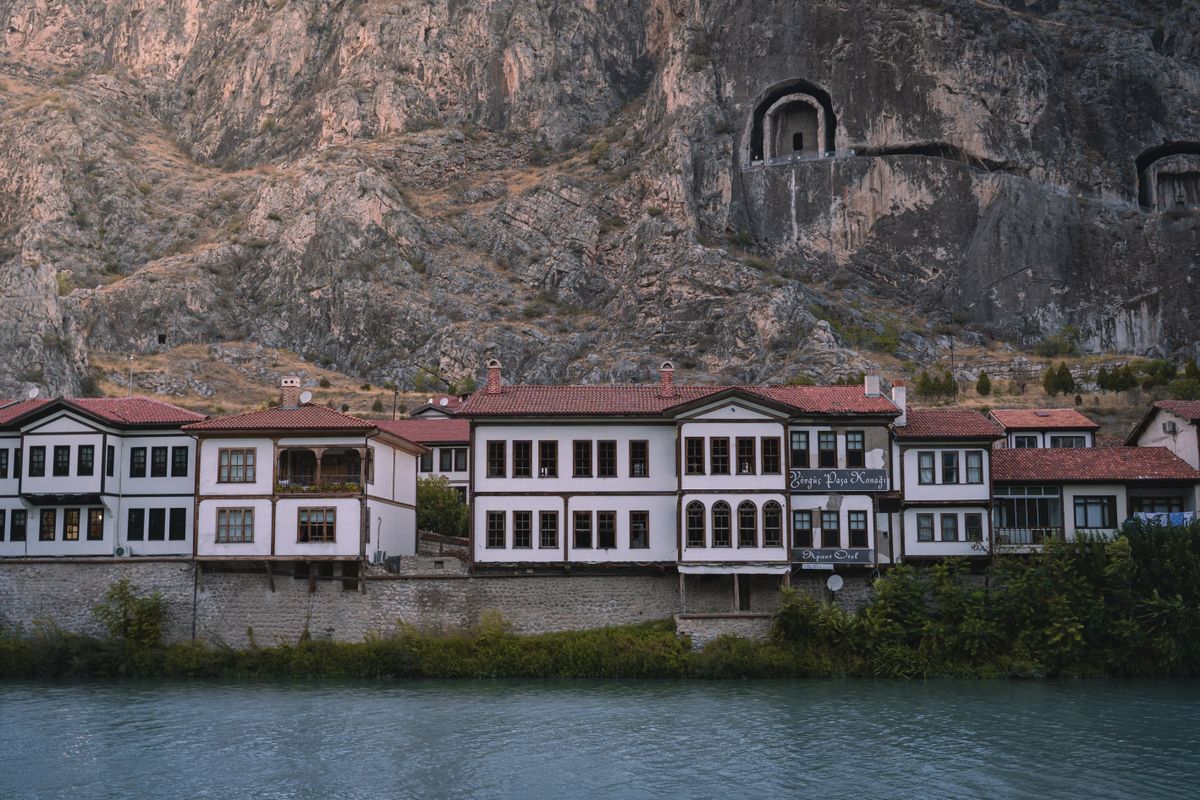
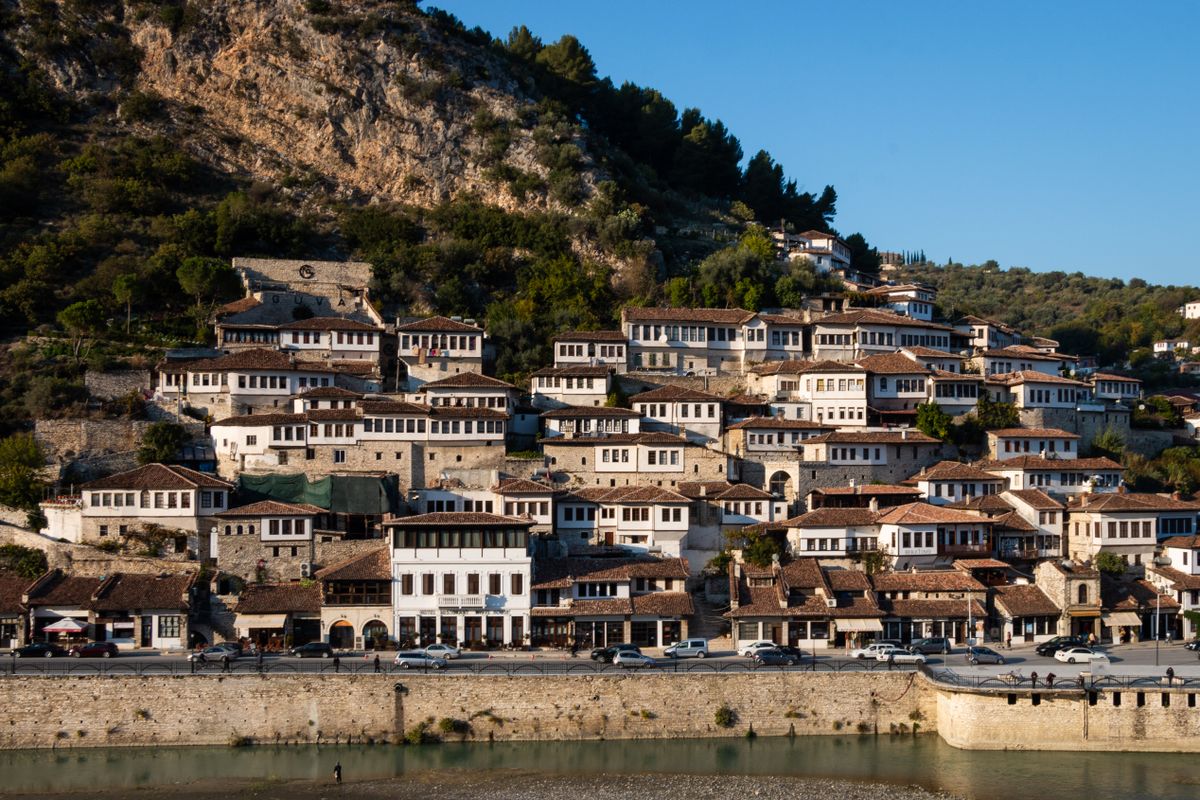
Mangalem is the emblematic quarter, the one in every photograph of Berat. The white houses climb one above another up the slope, and because each is set back slightly from the one below, every house gets its windows and its light. The effect from across the river, especially in late afternoon, is the reason people come.
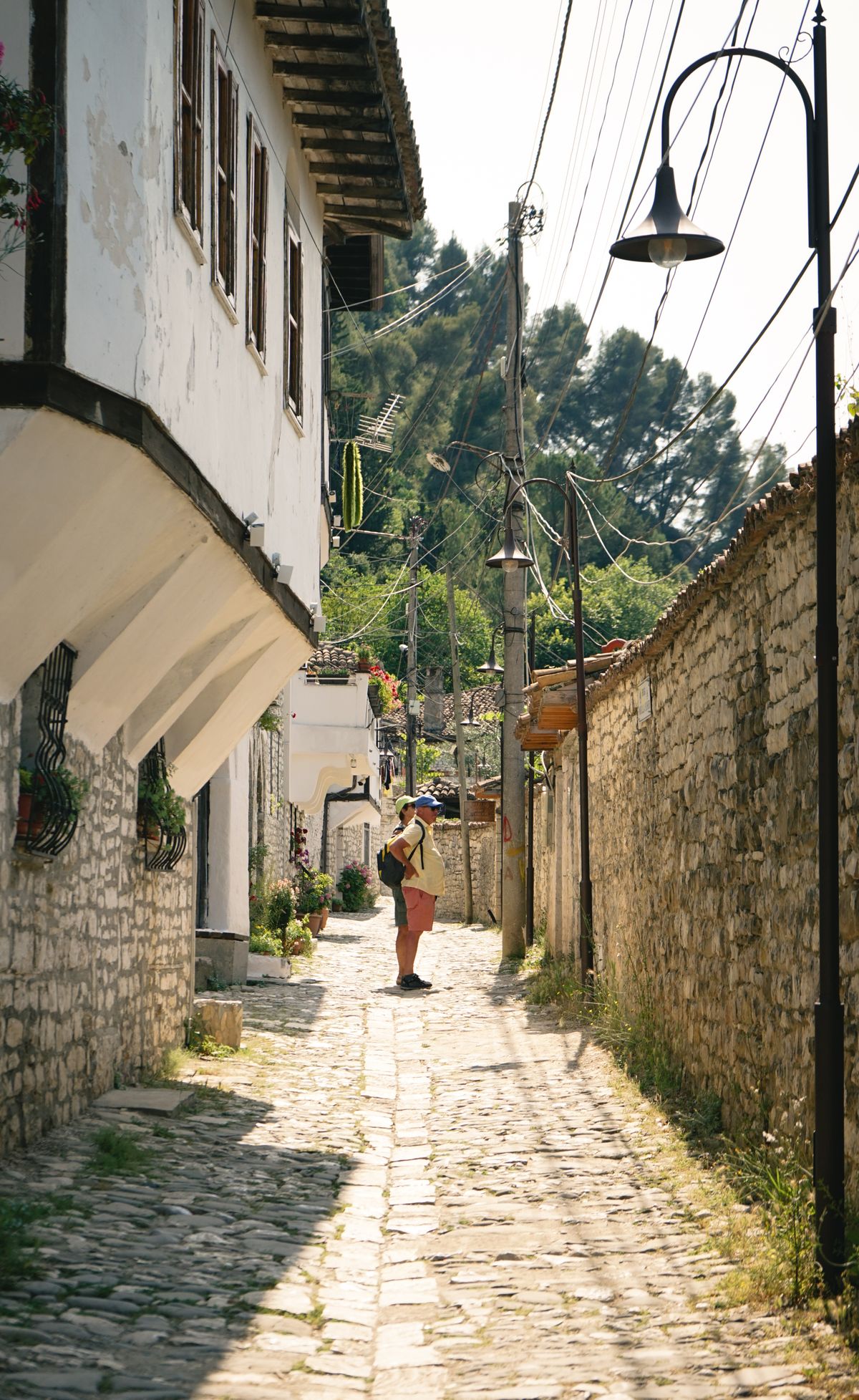
Notable buildings in Mangalem include the King Mosque, built in 1492 under Sultan Bayezid the Second, and the Lead Mosque, named for the lead sheeting on its dome. The quarter also has the steepest and most photogenic lanes in town.
Gorica and the river
On the opposite bank of the Osum, Gorica was traditionally the Christian quarter of the town. Founded in the sixteenth century, it offers the best views of Mangalem, for the simple reason that you cannot photograph a hillside while standing on it.
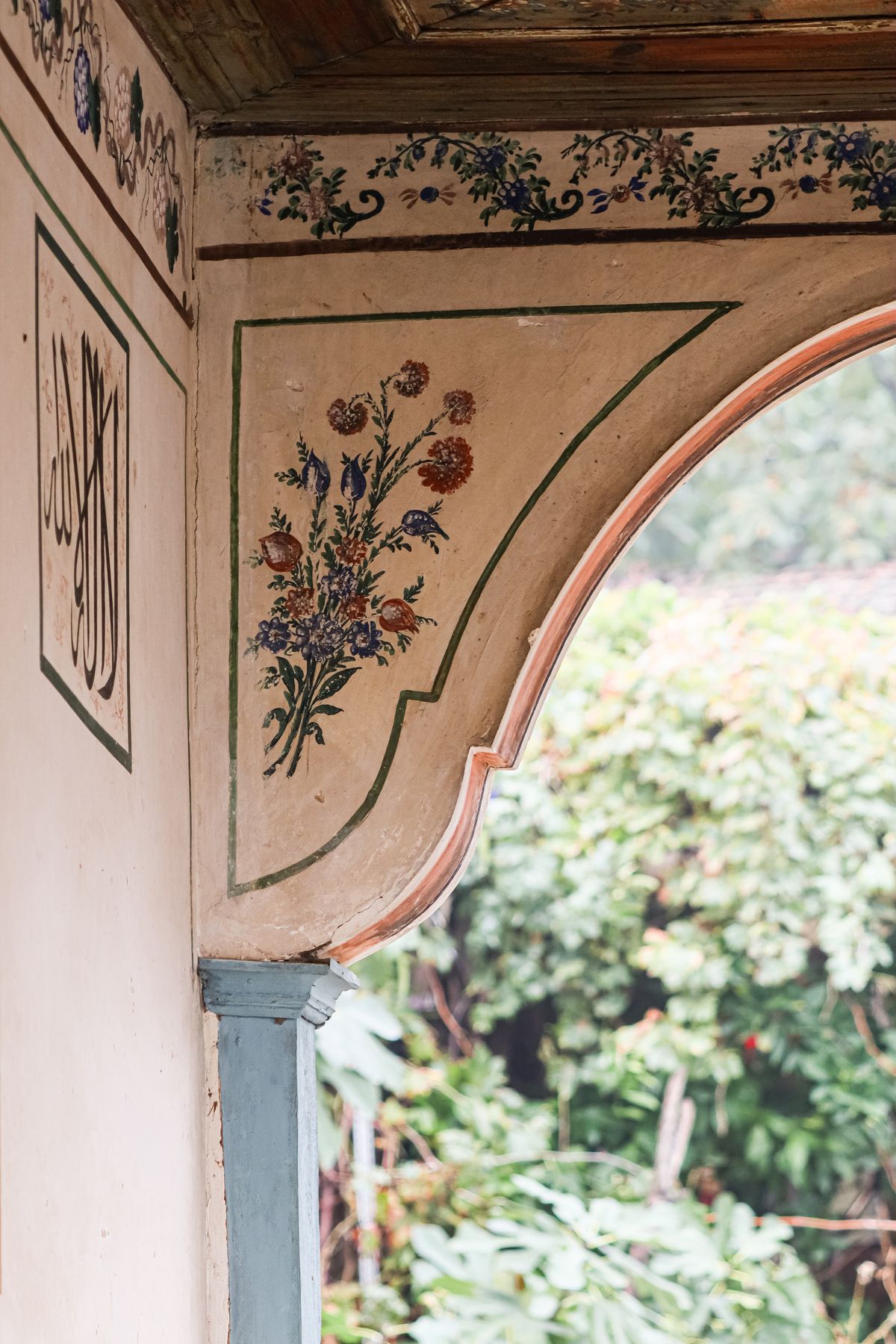
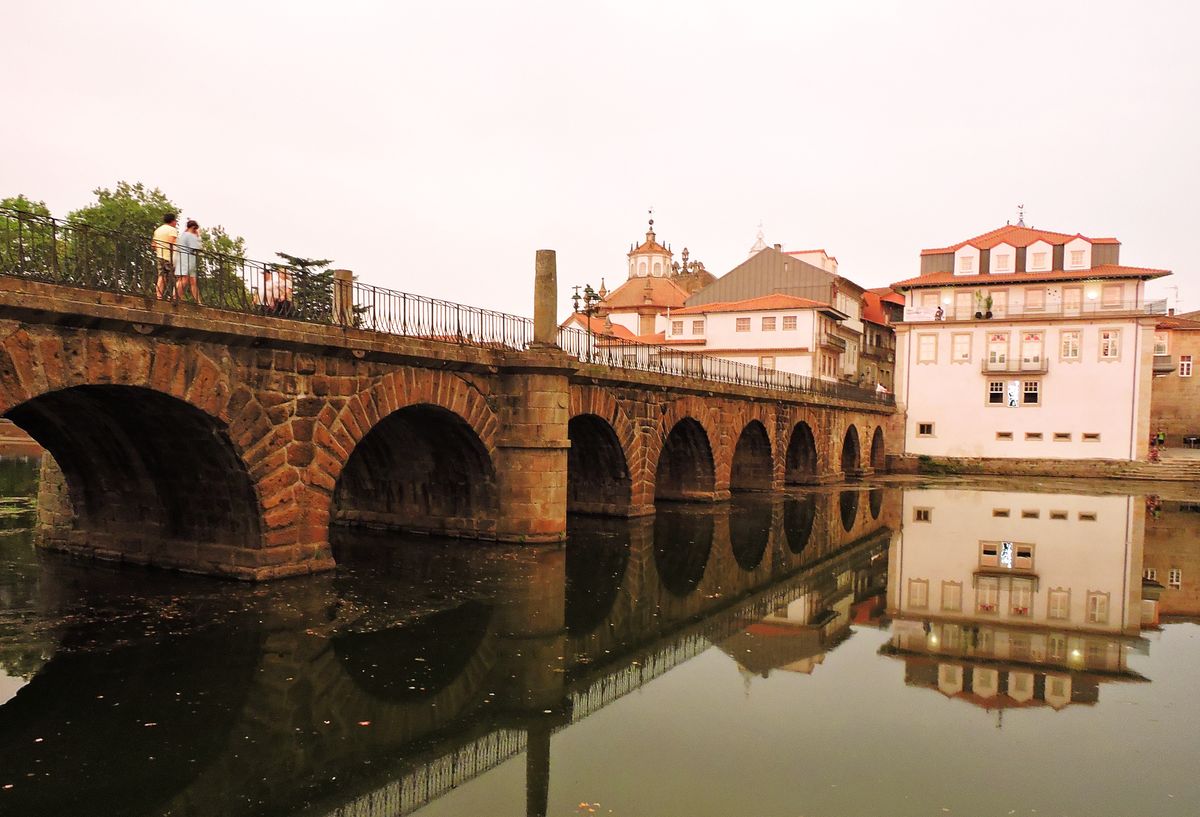
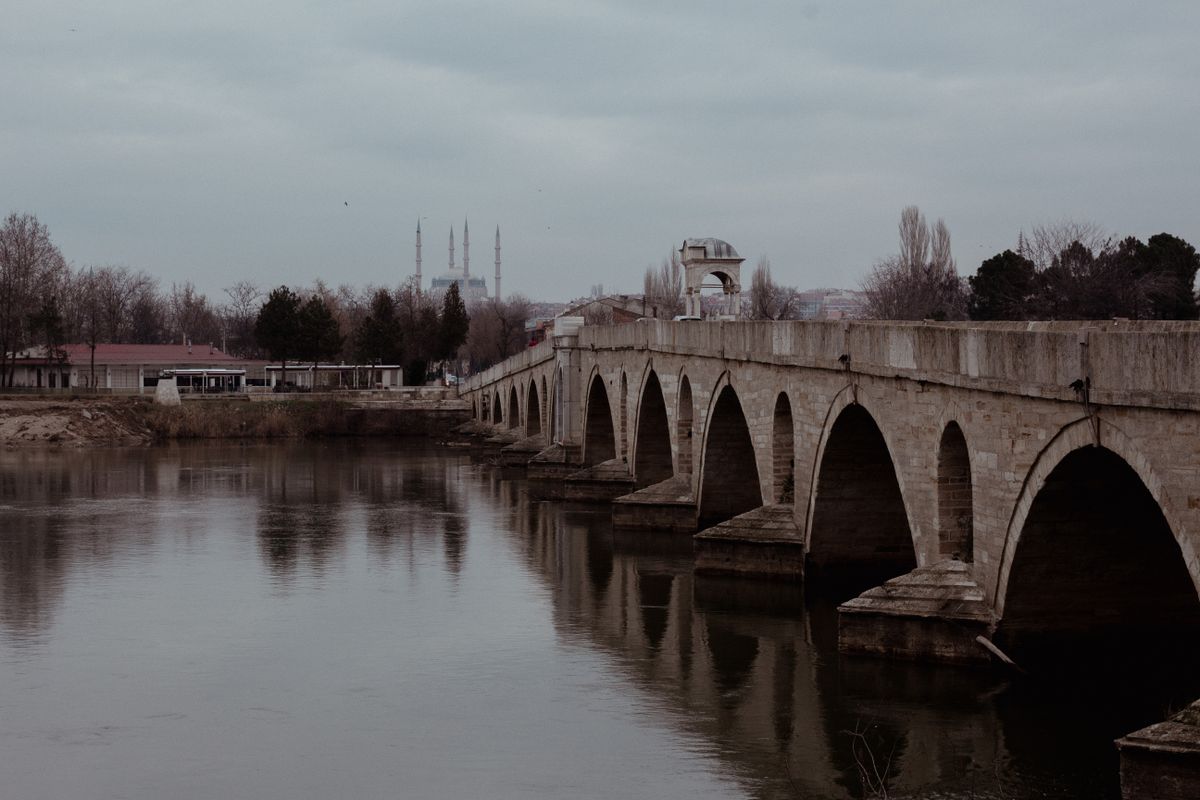
The two banks are joined by a stone bridge, originally wooden and rebuilt in stone in the eighteenth century. Crossing it in the morning and again at sunset gives you the two best light conditions of the day on the same walk.
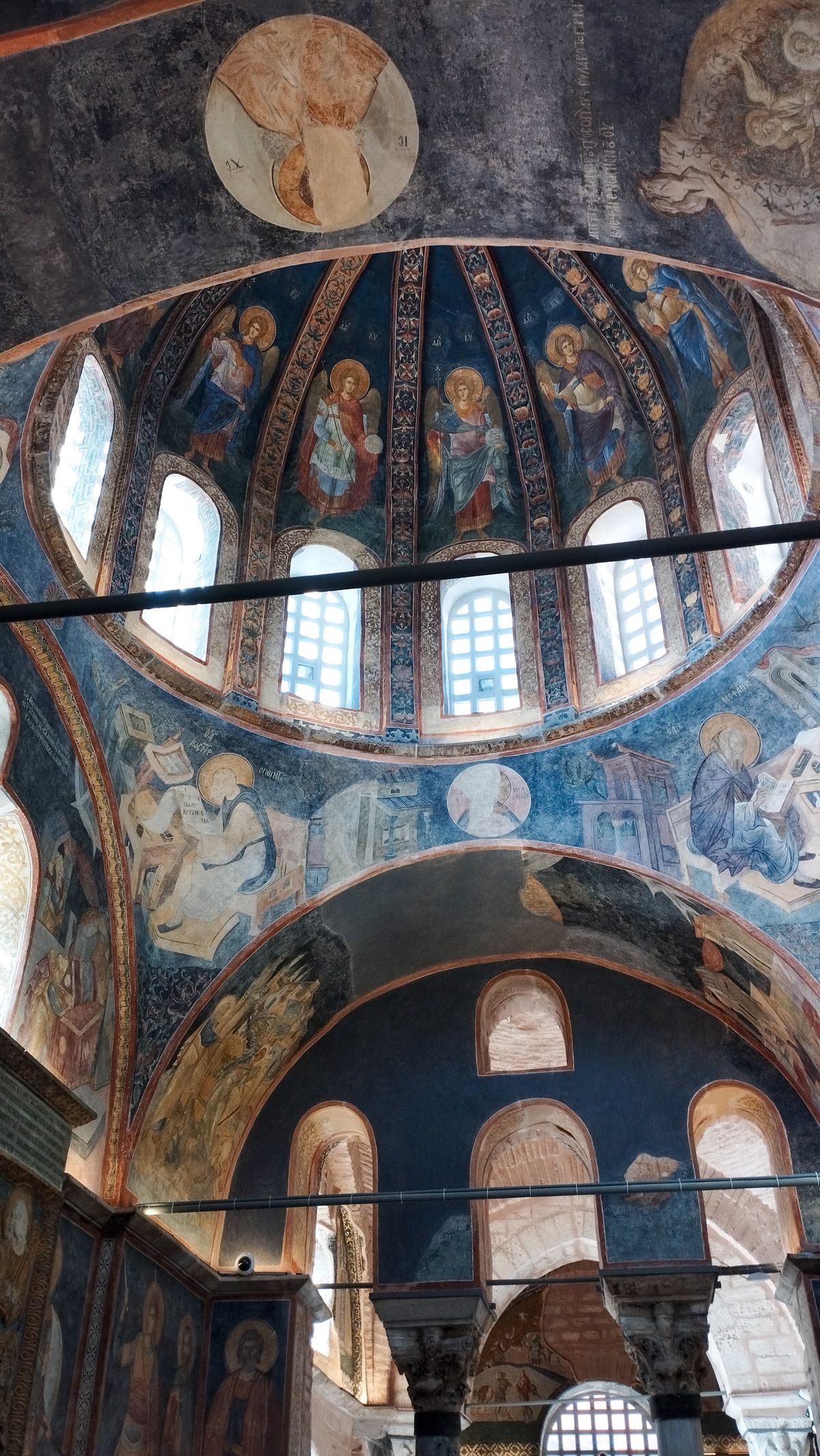
The riverbanks themselves have been laid out as a promenade, and the reflection of the white houses in still water is the classic evening photograph. It also functions as the town social space: this is where Berat walks in the hour before dinner.
Food, raki and Albanian hospitality
A visit to Berat is incomplete without the food, which mixes Ottoman, Mediterranean and Balkan influences and costs remarkably little.
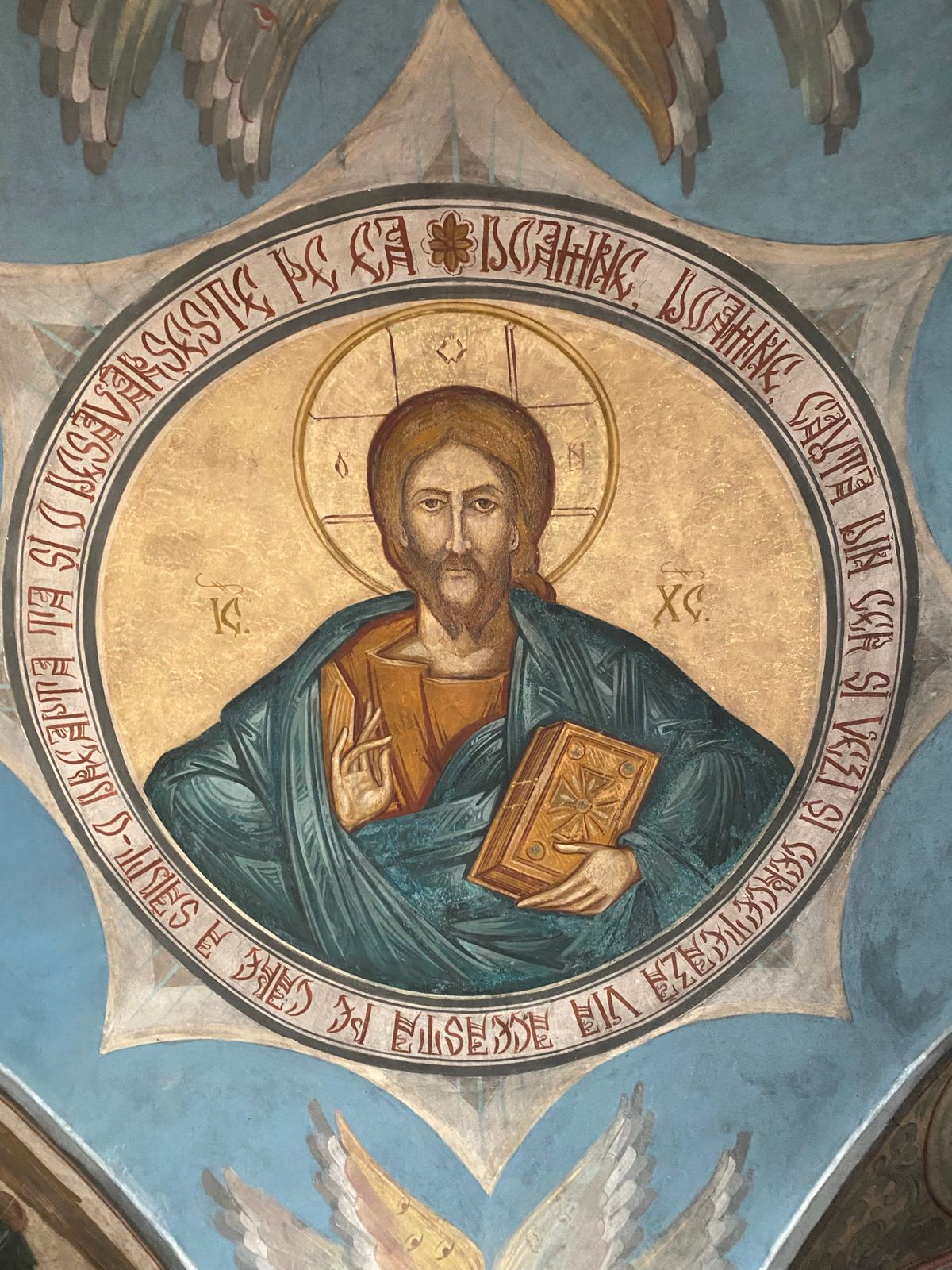
Look for tave kosi, lamb baked under a yoghurt crust, which is the national dish and is done well here; byrek in its various fillings; fresh salads with local cheese; and the river fish when it is available. A full meal with a drink runs between five and ten euros a head.
Raki, the local spirit, is the currency of hospitality. You will be offered a glass of homemade raki in restaurants and guesthouses without asking, often before you have sat down, and declining it entirely is harder than accepting a small one.
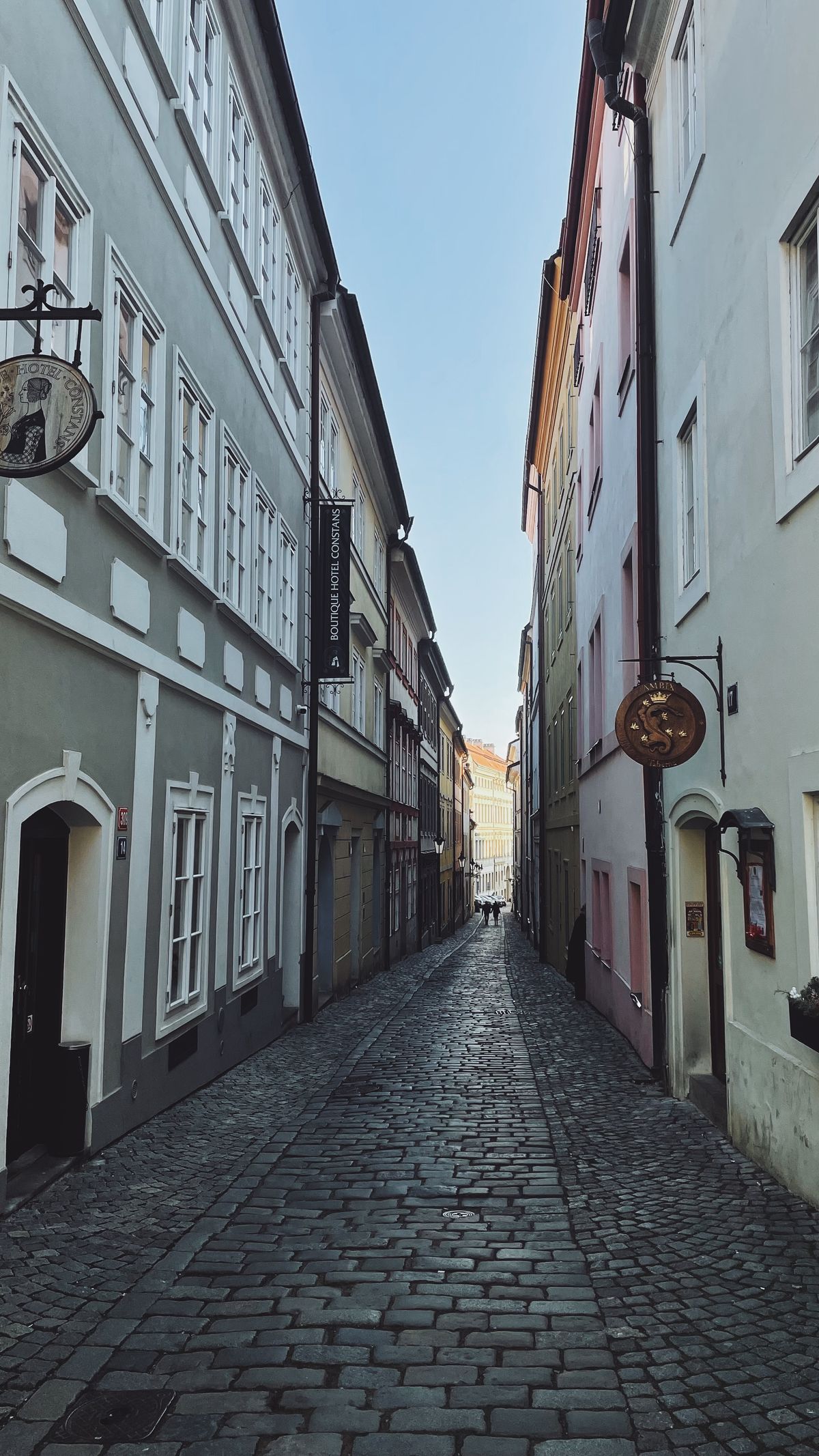
Albanian hospitality is not a tourism slogan but a cultural rule with deep historical roots: in the traditional code, the guest is sacred and the host is responsible for their safety. In practice this means people will go considerably out of their way to help you, and will be mildly offended if you try to pay for it.
Transport, accommodation and budget
The simplest way in is the minibus from Tirana, leaving roughly hourly from the southern bus terminal. Book nothing in advance; you turn up and go.
| Item | Price |
|---|---|
| Minibus from Tirana, one way | about 5 euros |
| Guesthouse, per night | 15 – 30 euros |
| Full meal with a drink | 5 – 10 euros |
| Castle entry | 2 – 3 euros |
| Onufri museum | 3 – 5 euros |
| Day with everything included | 30 – 50 euros |
Berat is a town you explore on foot, but be prepared: the lanes in the old quarters are paved with smooth stone and the climb to the castle is steep enough to matter in summer heat. Shoes with grip are not optional.
The ideal seasons are spring, April to June, and autumn, September to October. Temperatures are pleasant, there are fewer visitors, and the light is better for the one photograph everyone comes to take.
A one or two day itinerary
If you have a single day, do it in this order and you will not waste time backtracking.
- Start early, between eight and nine, to beat the heat, and climb the stone path to the castle
- See the Onufri museum and the Byzantine churches inside the walls, then walk the inhabited lanes
- Come down through Mangalem, stopping for lunch and an order of tave kosi
- Walk the riverside promenade in the afternoon and cross the stone bridge to Gorica
- Find a spot on the Gorica side for sunset, when the white houses reflect in the water
With a second day, cross to Gorica in the morning, visit the church of St Spyridon and climb the hill behind for the widest view over the whole town. If you have a car or book a tour, the Osum canyon is thirteen kilometres of gorge with walls up to eighty metres, and it is the best half-day excursion in the region.
Berat also works as a day trip from Tirana, though it is a tight one: four to six hours of travel leaves five or six hours in the town, which covers the castle and Mangalem but not much else. Background on the town heritage is on the UNESCO listing and on the Albanian tourism portal.
A note about the photographs
The panorama of the stacked white houses, the Mangalem quarter, Kalaja castle from the air, the Ottoman windows, the stone bridge, the Byzantine frescoes and the Gorica bank are all confirmed as Berat or as the Osum valley.
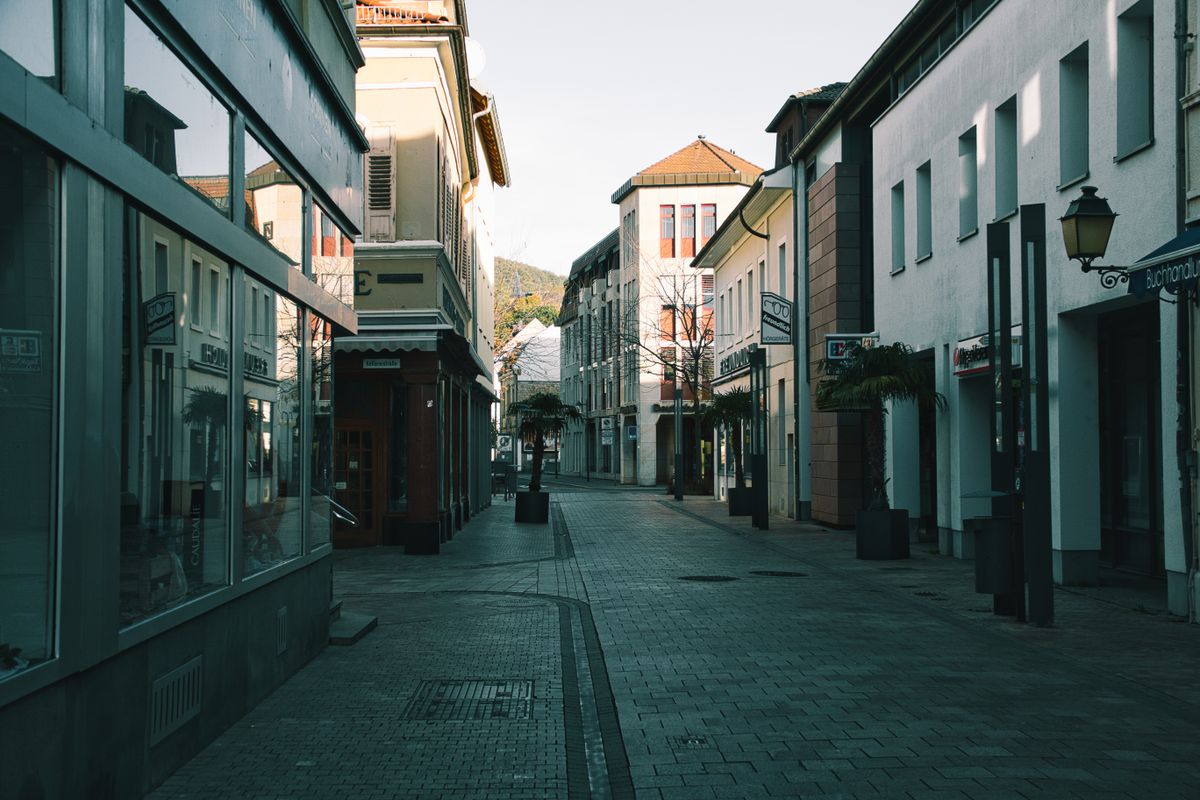
Three images are not confirmed to the location by their source pages: two cobbled streets and one close frame of carved stone detail. They are consistent with the town and are used in that spirit, but they are captioned as unconfirmed rather than passed off as Berat. The interiors of the King Mosque and the Lead Mosque, and the Osum canyon itself, have no usable free photographs.
Frequently asked questions (FAQ)
Conclusion
Berat manages something rare: it is authentic without being inaccessible, beautiful without being crowded, and culturally rich without being pleased with itself. The castle you can walk into is still somebody neighbourhood, and that says most of what there is to say about the place.
Give it two days, climb early, eat tave kosi, and be on the Gorica bank when the sun goes down. That is the photograph, and it is worth the trip on its own.
