
 By

St Ives is a former fishing port in west Cornwall that became, through a coincidence of geography and railway building, the most important centre of modern art outside London. It has around eleven thousand residents, four quite different beaches within minutes of each other, and a Tate gallery built above the waves.
Why the light here drew painters, who formed the colony, what survives of it to visit, and how to avoid the unpleasant side of the town in August.
Why the artists chose St Ives
The explanation repeated locally is the light, and for once it has a physical basis. The town sits on a narrow headland with water on three sides, so light arrives from above and reflected off the sea as well. Porthmeor beach faces north, which in the northern hemisphere means steady light with no direct sun tracking across the day. Exactly what a painter wants.
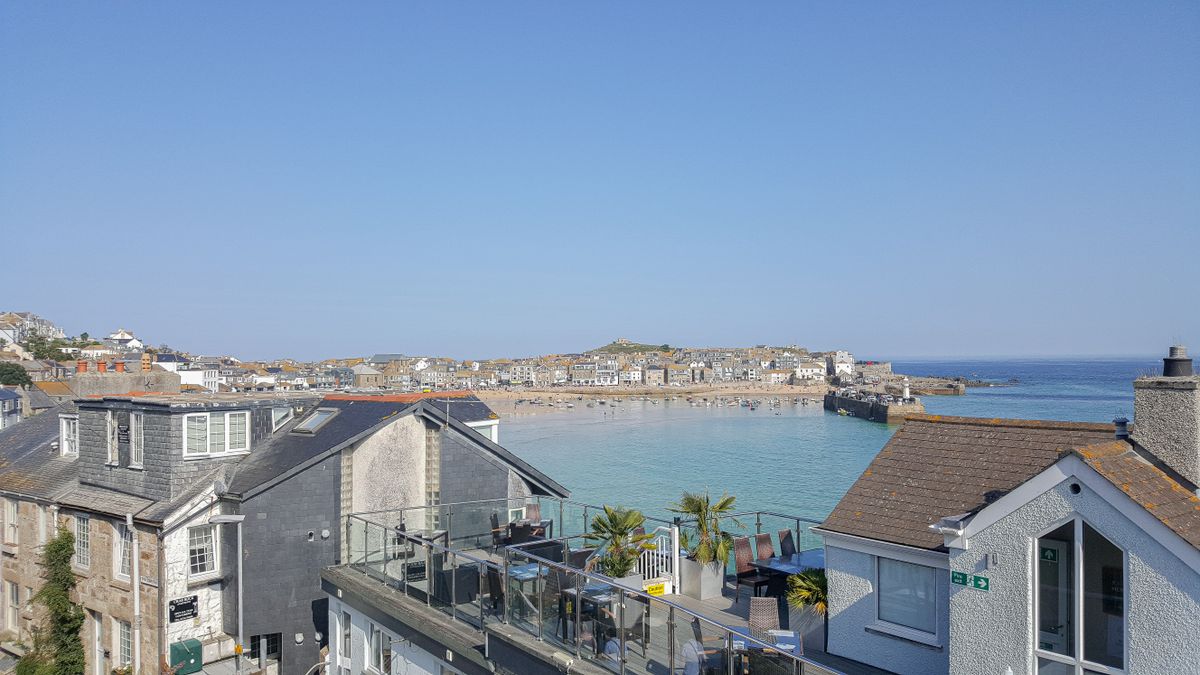
The second reason is more prosaic: the railway. The short branch line opened in 1877, and suddenly an isolated port at the end of England was a day of travel from London. Whistler and Sickert spent the winter of 1883 and 1884 here, and after them others came steadily.

The third reason was economic. When the pilchard fishery collapsed, the net lofts along Porthmeor beach emptied and let cheaply. Those lofts became studios, and some are still used in exactly that role.
The colony: Wallis, Nicholson, Hepworth and Leach
The turning point came in 1928, when Ben Nicholson and Christopher Wood walked by chance into a cottage near the harbour and saw the paintings of Alfred Wallis. Wallis was a retired mariner, entirely self taught, who painted ships from memory on scraps of cardboard, without perspective and without training. For the two of them it was a revelation, and he became a reference point for British modernism.
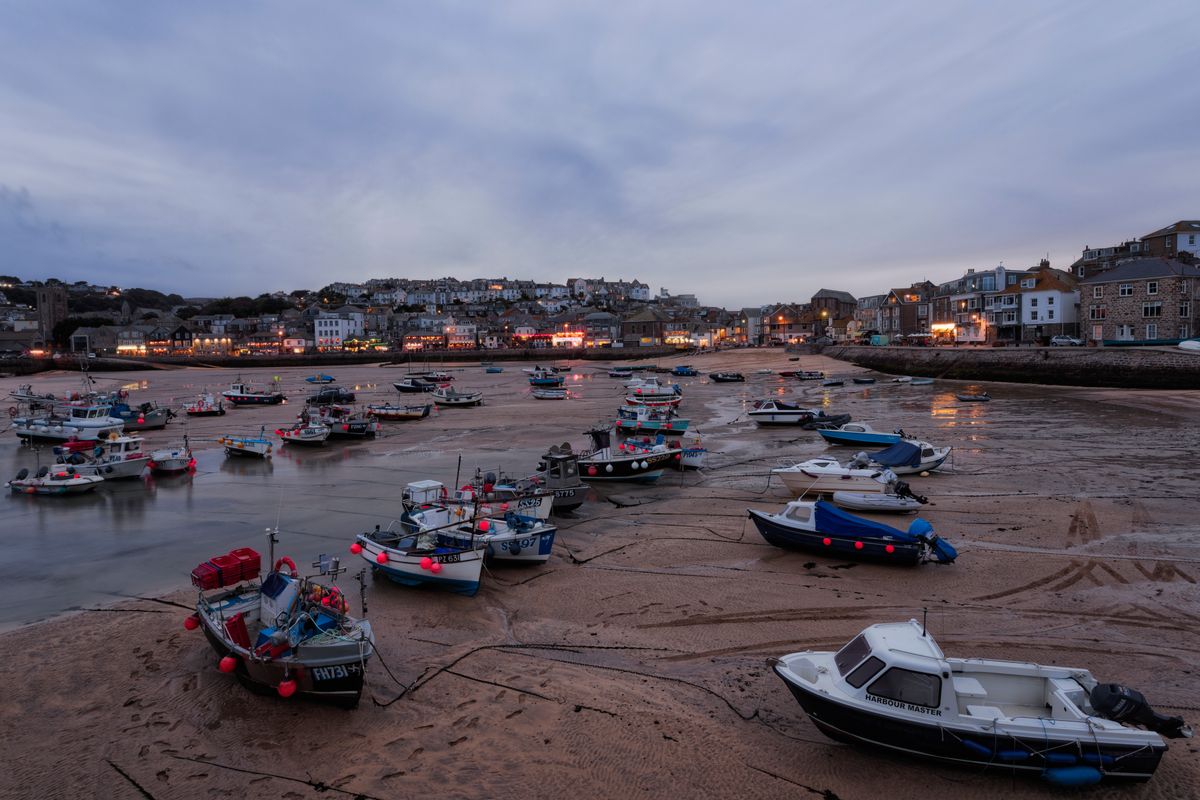
In 1939, at the outbreak of war, Nicholson moved down with the sculptor Barbara Hepworth and the Russian constructivist Naum Gabo. Out of that nucleus grew what is now called the St Ives school, an abstraction rooted in landscape that shaped British art for three decades.

In parallel, the potter Bernard Leach had opened a workshop as early as 1920 with the Japanese potter Shoji Hamada. The combination of Japanese technique and English country pottery became the foundation of modern studio ceramics, and its influence is visible in workshops worldwide.
What you actually visit: Tate, Hepworth and the pottery
The three main sites can be done in a single unhurried day and are all within walking distance.
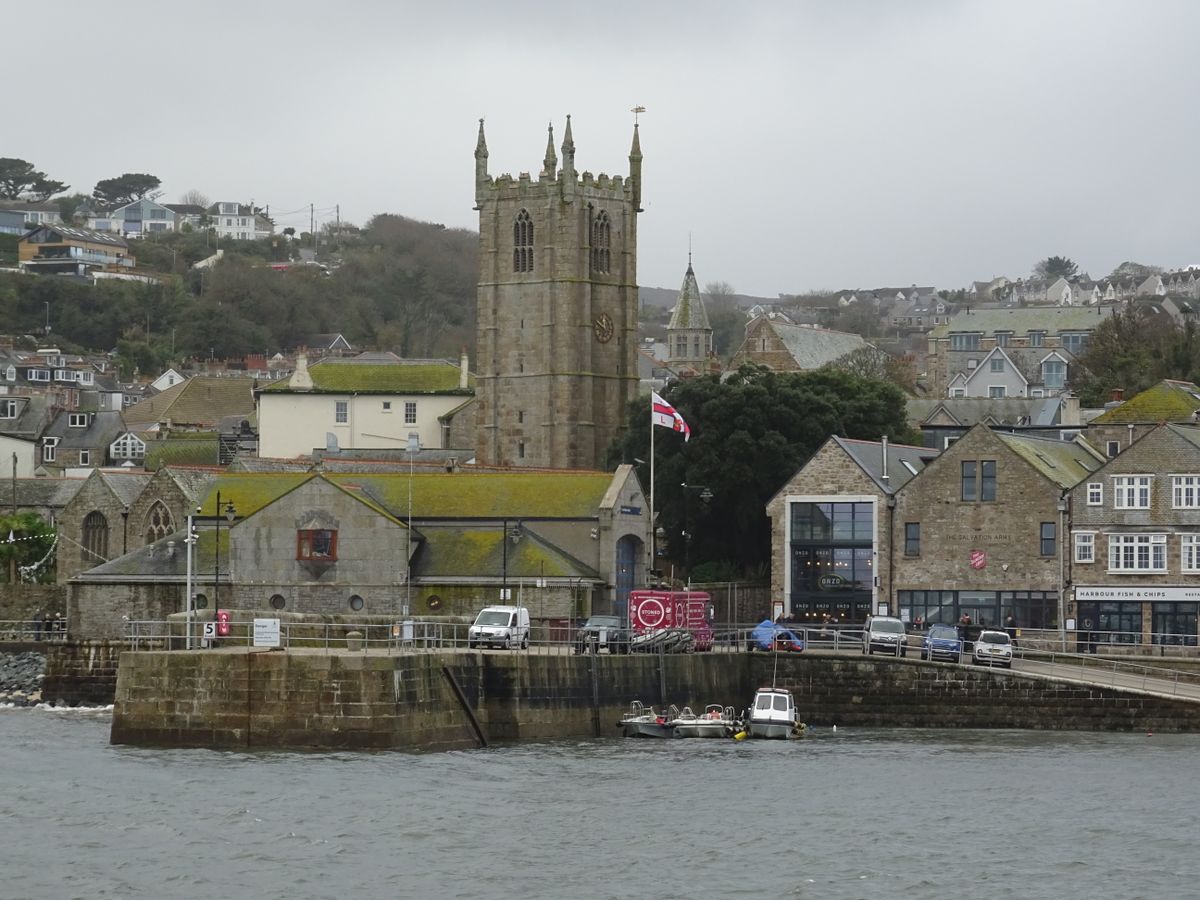
- Tate St Ives: opened in 1993 on the site of a former gasworks above Porthmeor beach, extended in 2017 with an underground gallery. The permanent display covers the local school and the temporary shows change several times a year.
- Barbara Hepworth Museum and Sculpture Garden: her studio and garden, left almost untouched after her death. The sculptures stand exactly where she placed them. Many people find it stronger than the main gallery.
- Leach Pottery: the original workshop with a rebuilt Japanese kiln, a museum and a working pottery. Fifteen minutes walk, outside the crowded centre.
- St Ives Museum: small, local, about fishing, mining and shipwrecks. Cheap and surprisingly good.
A combined ticket covers Tate and the Hepworth museum, and the price difference is worth it if you do both on the same day. Both close on certain days out of season, so check the opening hours first.
The four beaches and what separates them
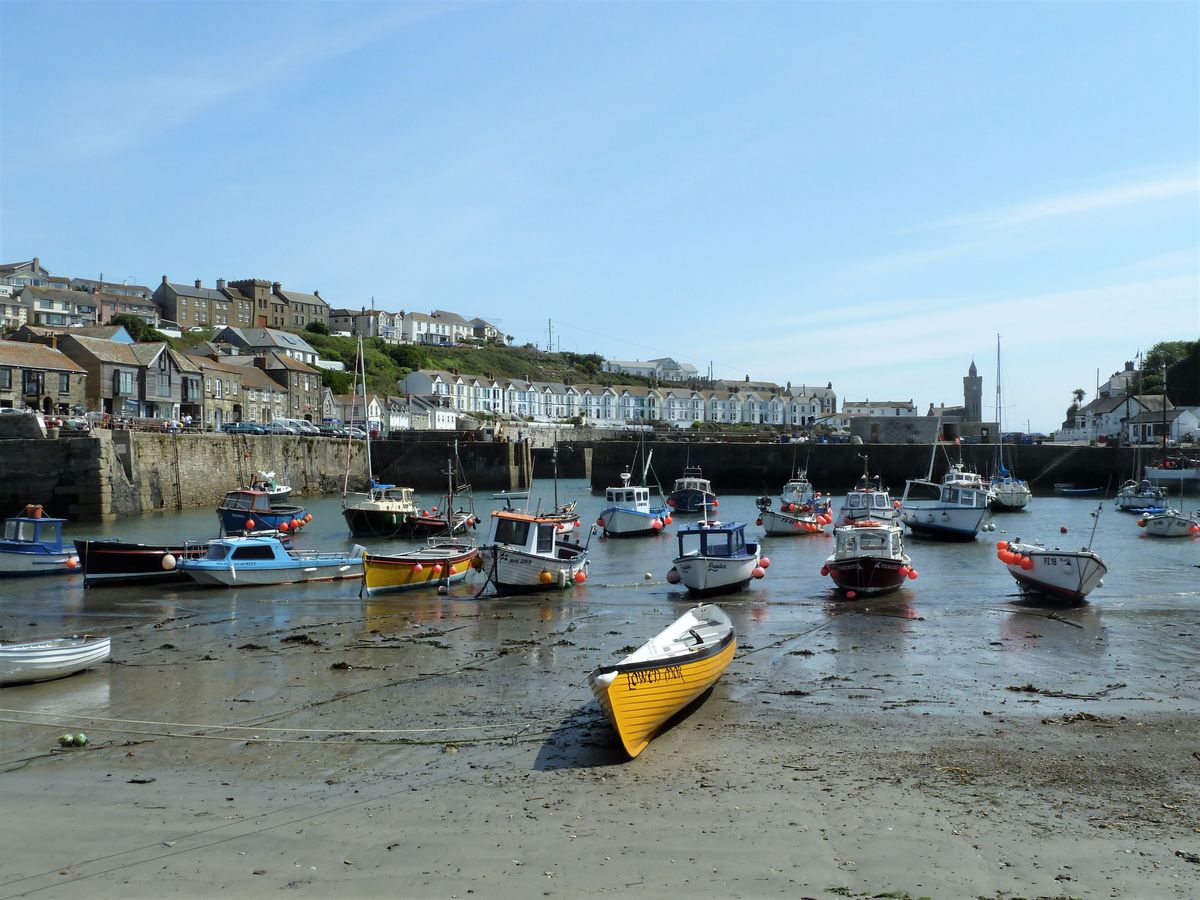
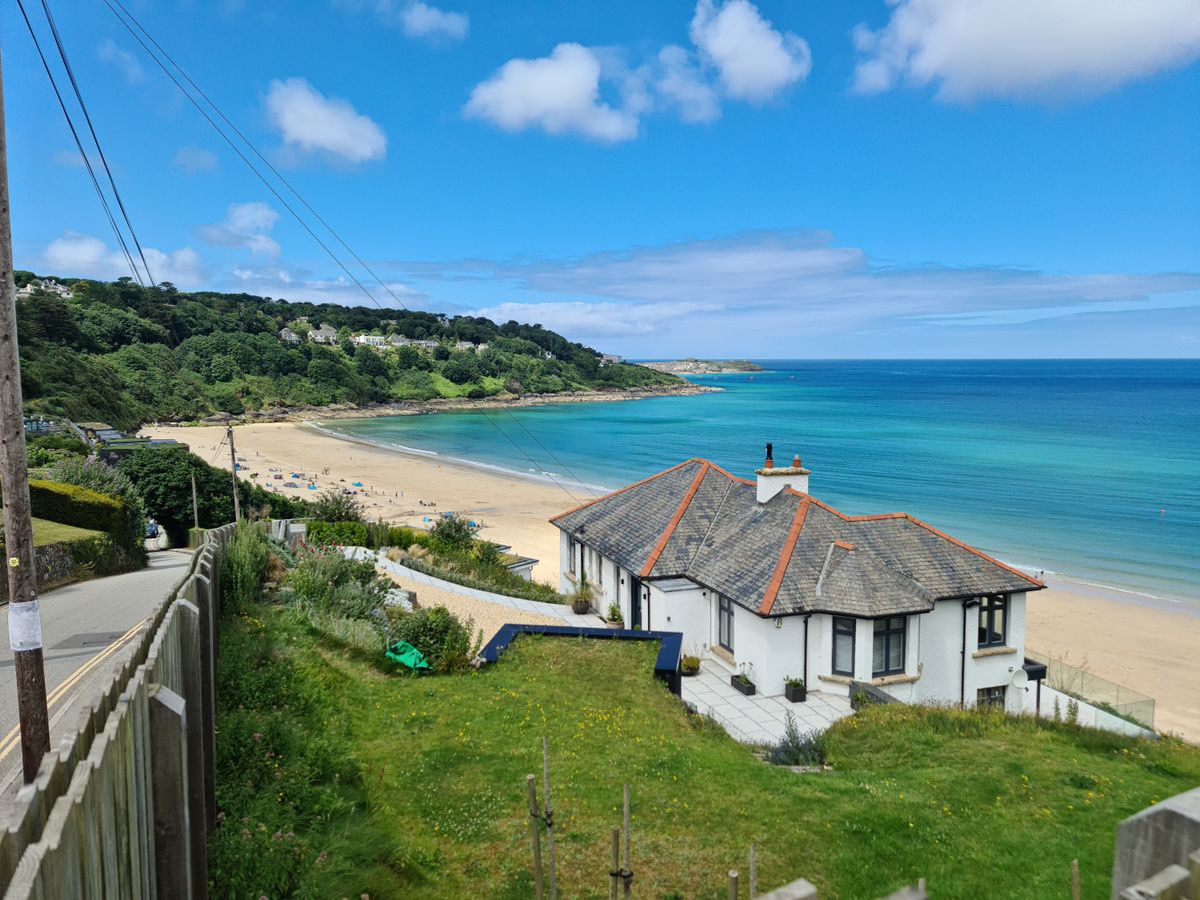
It is rare to find four entirely different beaches five minutes walk apart. The difference comes down to which way they face, and that changes the waves, the wind and the hour you get sun.
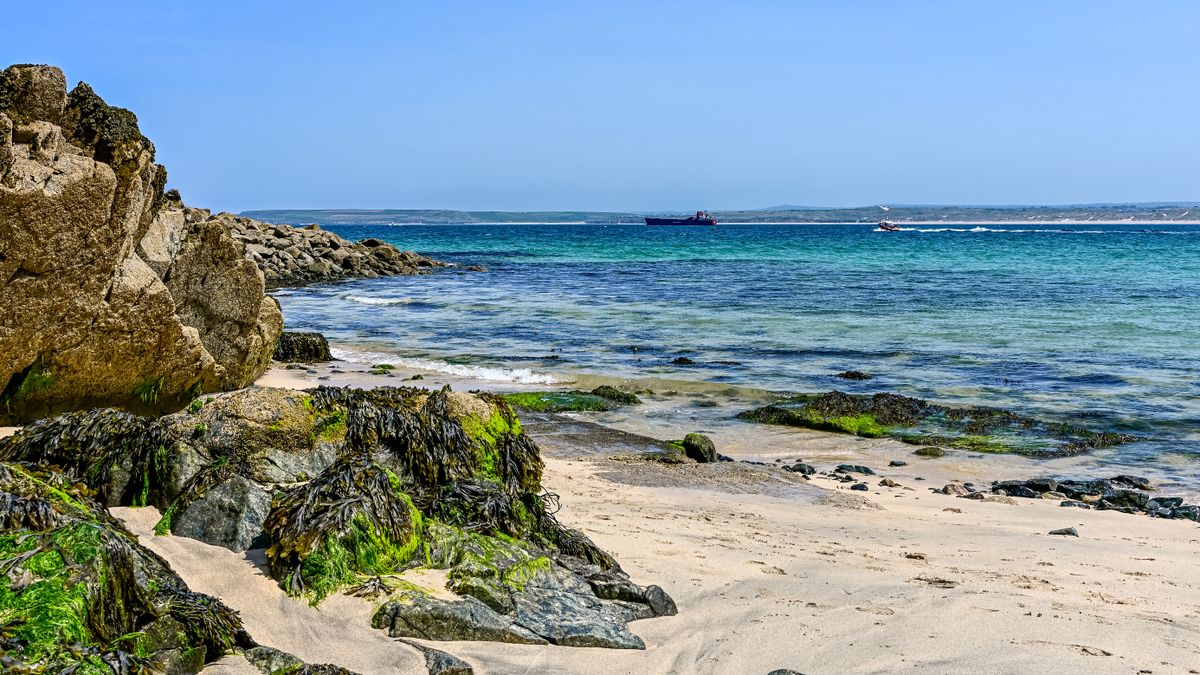
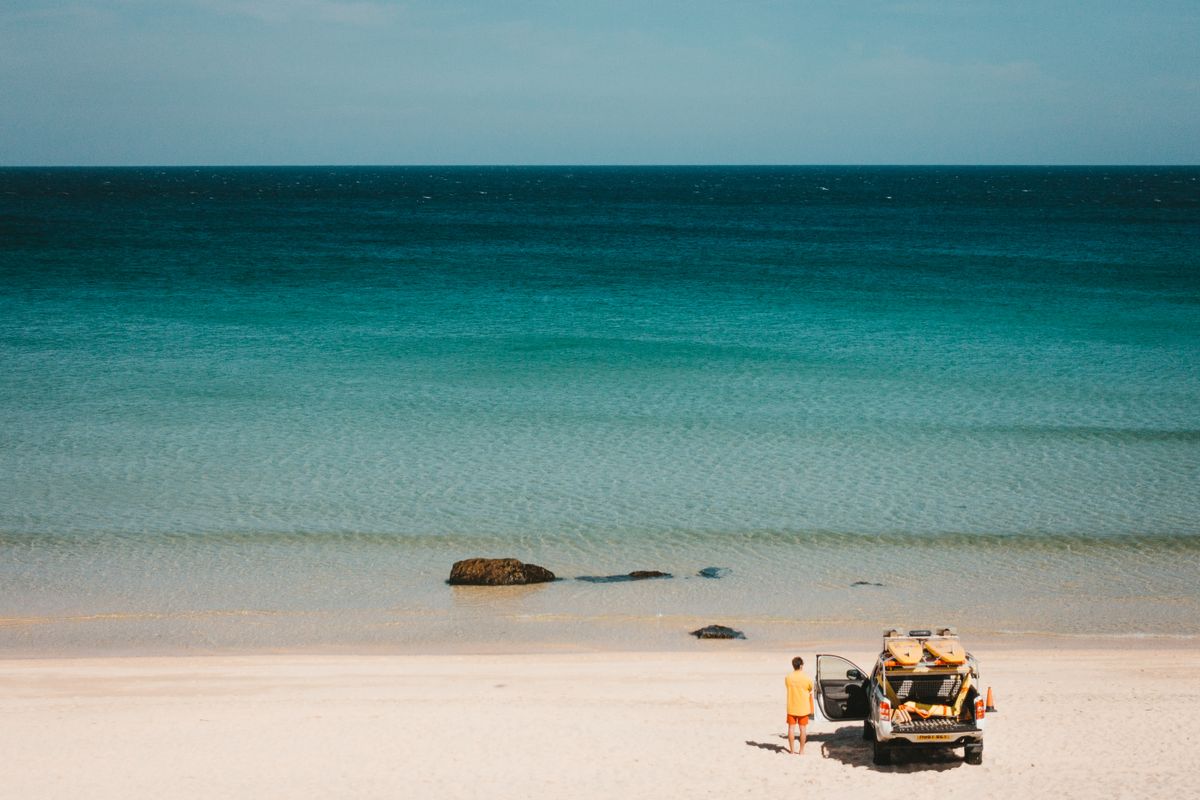
- Porthmeor: north facing, with surf, a surf school and lifeguards in summer. This is the beach below Tate.
- Porthgwidden: small, sheltered by the headland, with painted beach huts. The best one on a windy day.
- Porthminster: the large one, fine sand, facing into the bay, with calmer water. The best with children.
- Bamaluz: tiny, below the museum, almost empty even in August, but it disappears at high tide.
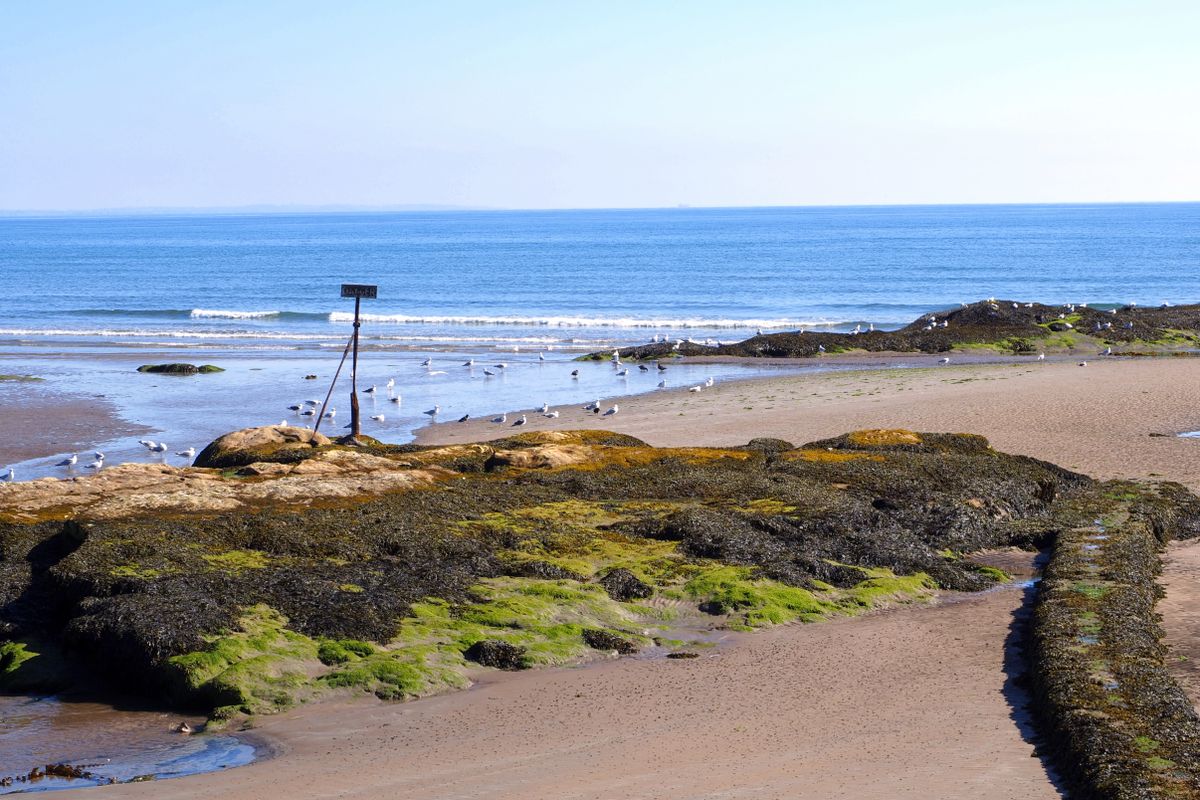
This is not a local joke. The gulls in town actively take food out of your hand, ice cream and pasties above all, and a few visitors are scratched every summer. Do not eat while walking through the streets and do not eat in the open on the seafront. Every place in town has a covered terrace for precisely this reason.
The harbour, Downalong and the lighthouse in the bay
The old part of town is called Downalong, the tangle of lanes between the harbour and Porthmeor beach. The houses are packed together and angled to take the wind, and some were built with stone salvaged from wrecks. It is easy to lose your bearings, which is in fact the best way to see it.
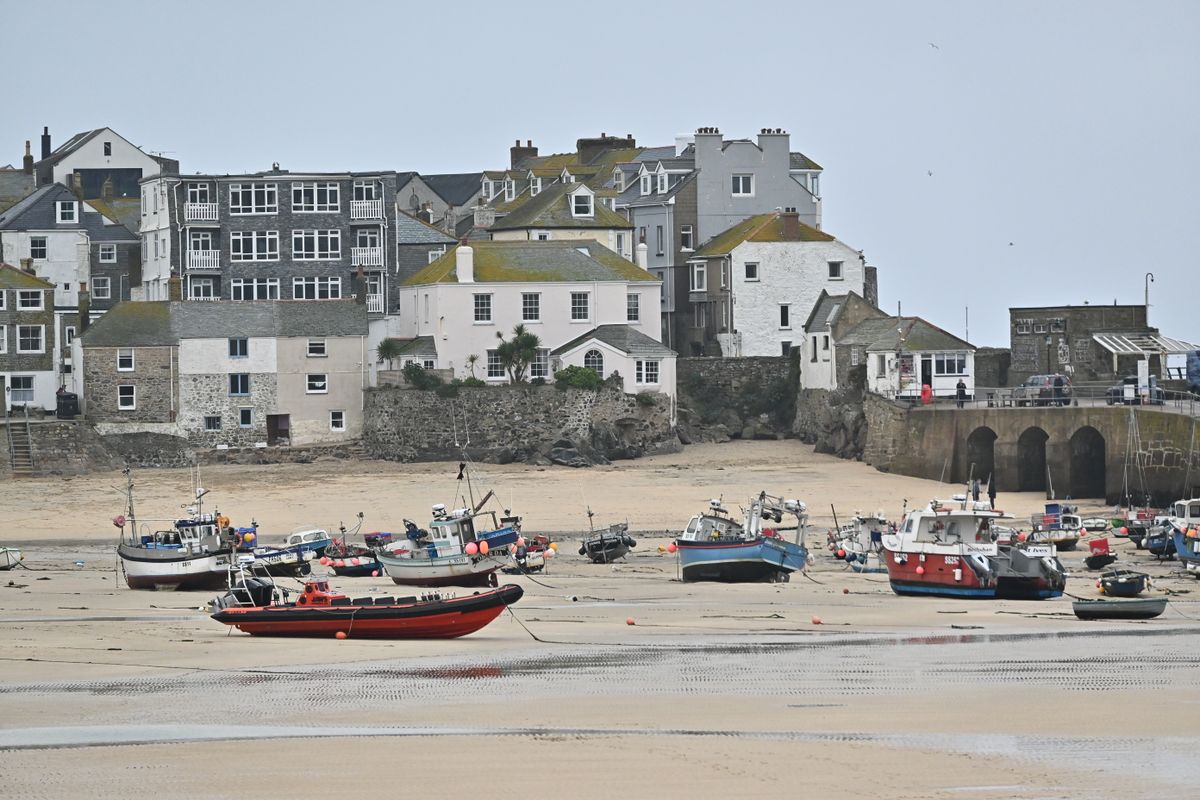
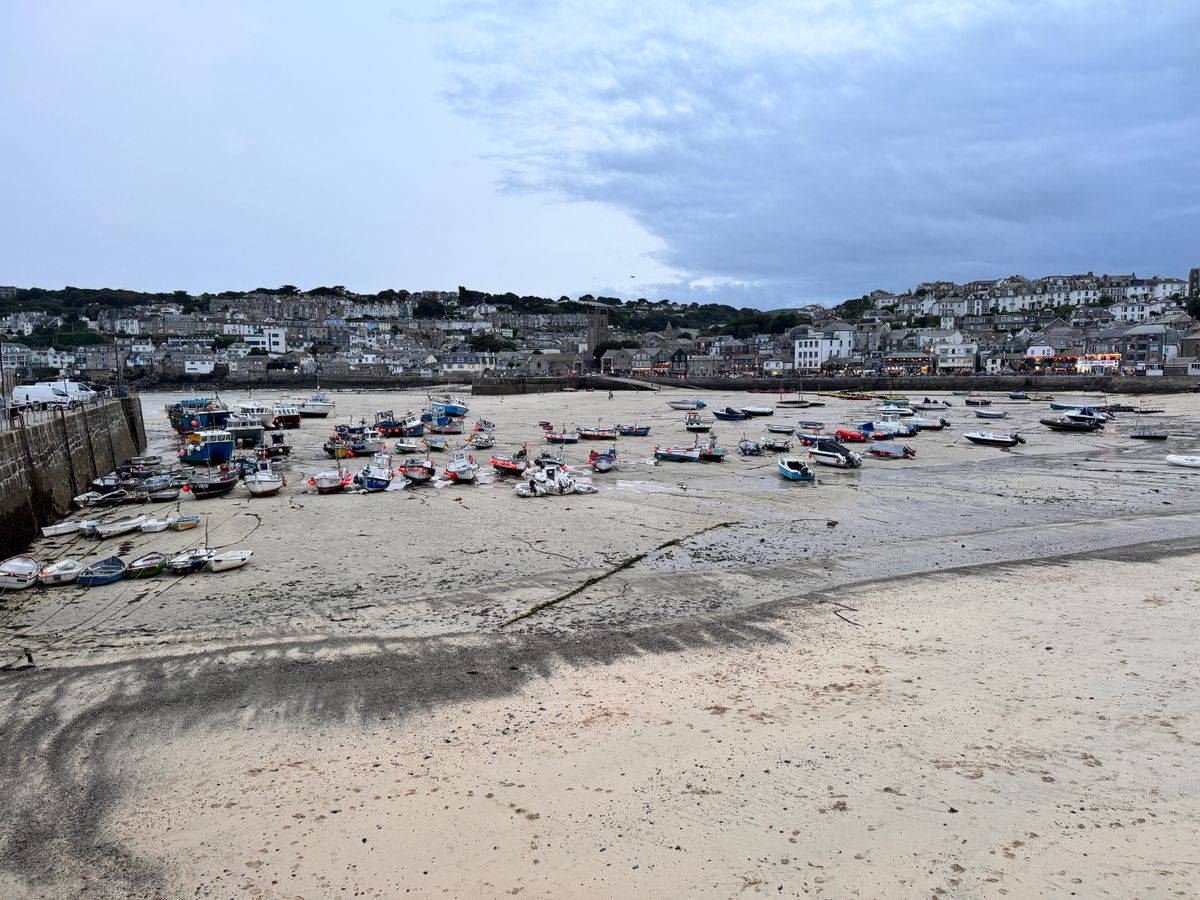
On the headland known simply as The Island stands St Nicholas chapel, a small stone building that also served as a navigation mark. The climb takes ten minutes and the whole bay opens up from the top, Godrevy lighthouse included.
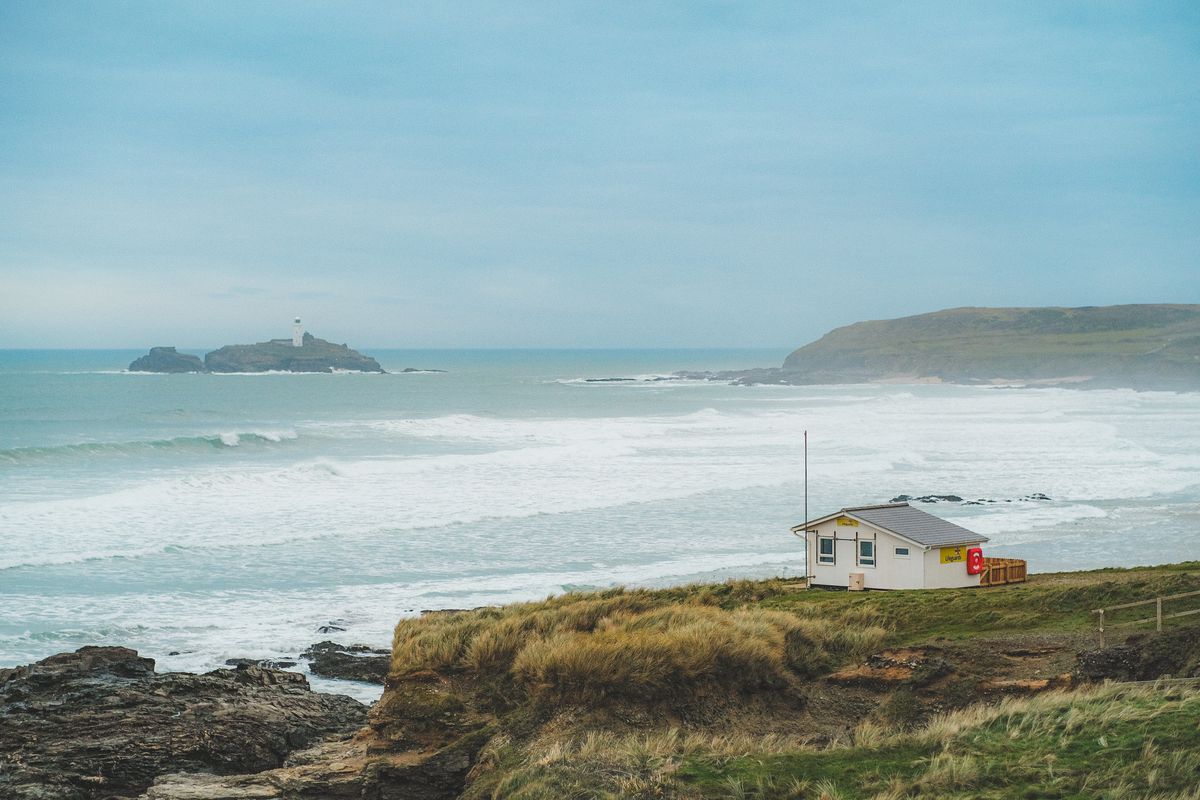
That lighthouse matters in literature. Virginia Woolf spent the summers of her childhood in a house in the town, and Godrevy is the lighthouse that stayed in her mind for To the Lighthouse. In the novel she moved the setting to the Hebrides, but the image comes from here.
Getting there, where to park and when to come
| Item | Detail |
|---|---|
| From London | Paddington to St Erth, then the local branch |
| The branch line | St Erth to St Ives, about 15 minutes along the bay |
| By car | do not drive into the centre, use park and ride at St Erth |
| Days needed | 2, or one long day from another base |
| Best months | May, June and September |
| Avoid | August, when the streets become impassable |
| Festival | the town festival, two weeks in September |
The practical advice is to leave the car altogether. Parking in town is expensive, insufficient and exhausting, while the branch line from St Erth is considered one of the finest short railway journeys in Britain: it runs along the edge of the bay with the beach below the window. Park and ride is at St Erth station.
Gallery opening hours are published by Tate St Ives, and the branch line timetable by the train operator Great Western Railway.
Frequently asked questions (FAQ)
Conclusion
St Ives is a fishing port that ran out of fish and reinvented itself through cheap studios, light reflected off the sea and a railway branch built in the nineteenth century.
Come by train rather than car, pick May or September over August, do the galleries one day and the beaches the next, and do not eat in the street because of the gulls.
