
 By

Gjirokaster is one of the best preserved Ottoman towns anywhere in the Balkans, built up a steep slope above the Drino valley in southern Albania. Its houses are made of stone and roofed with grey slate, which is why Albanians call it the stone city, and from a distance the whole hillside looks like one continuous roof.
This guide covers what to see in the town and in what order, the day trips worth making from it, what the food is actually like, and the practical details that decide whether the visit is pleasant or exhausting.
Gjirokaster: the stone city, in context
The town sits in the Drino valley in southern Albania, roughly three hours from Tirana. Its medieval name, Argyrokastro, meant silver castle, and the fortress that gave it the name still dominates the ridge above the houses.
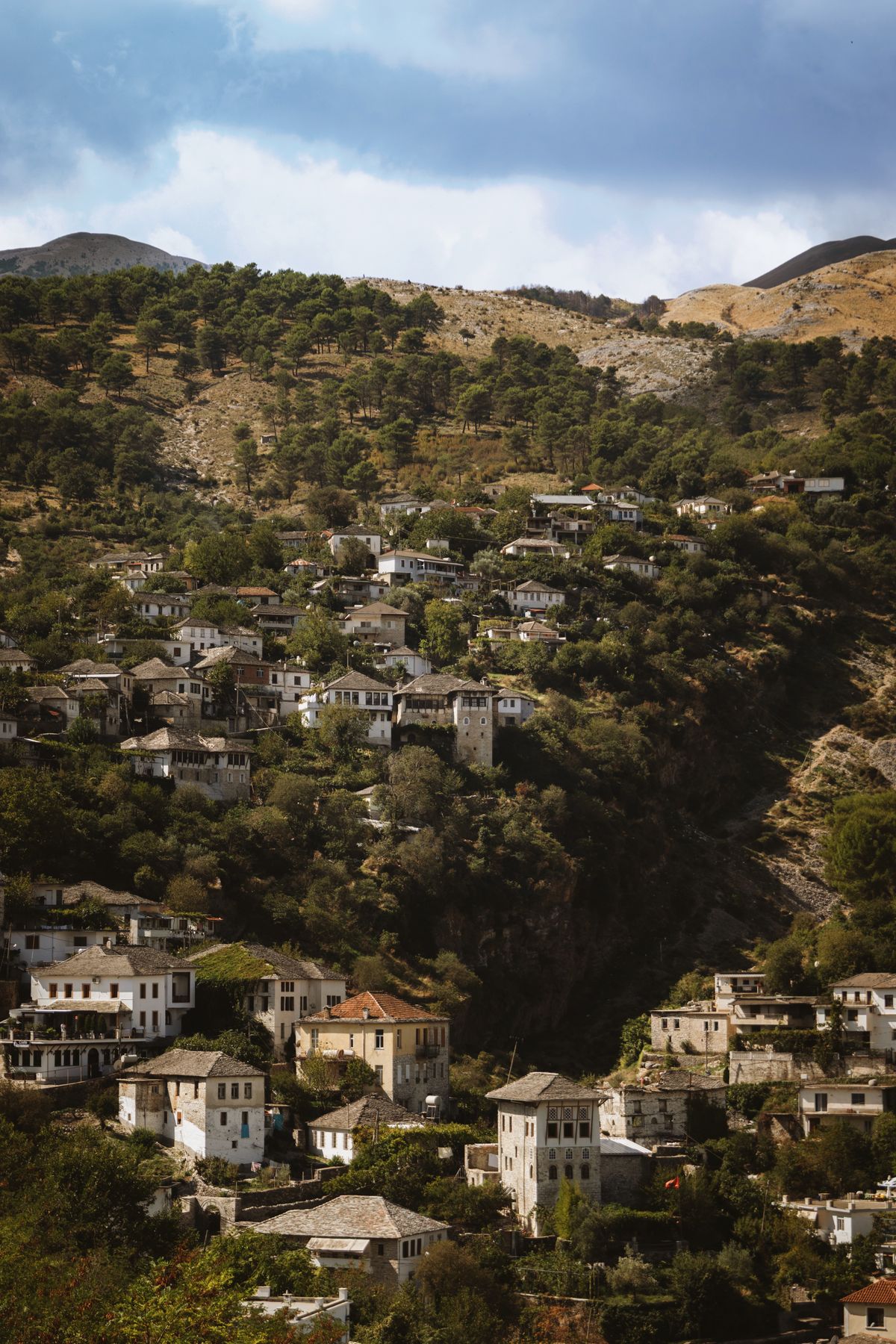
It was inscribed on the UNESCO World Heritage list in 2005, alongside Berat, for the exceptional quality of its architecture. The houses are built as tower houses, kulla, with thick stone walls, small high windows and defensive layouts, because the region spent centuries in a state of low-level feuding.
Gjirokaster is also the birthplace of two figures who shaped modern Albania in opposite directions: Enver Hoxha, the communist dictator who ruled the country for four decades and sealed it off from the world, and Ismail Kadare, the novelist who became the country best known literary voice abroad. Both childhood homes survive in the town.
The main sights of Gjirokaster
For a town of this size, the concentration of things to see is remarkable, and almost all of it is within walking distance, provided you accept that walking here means climbing.
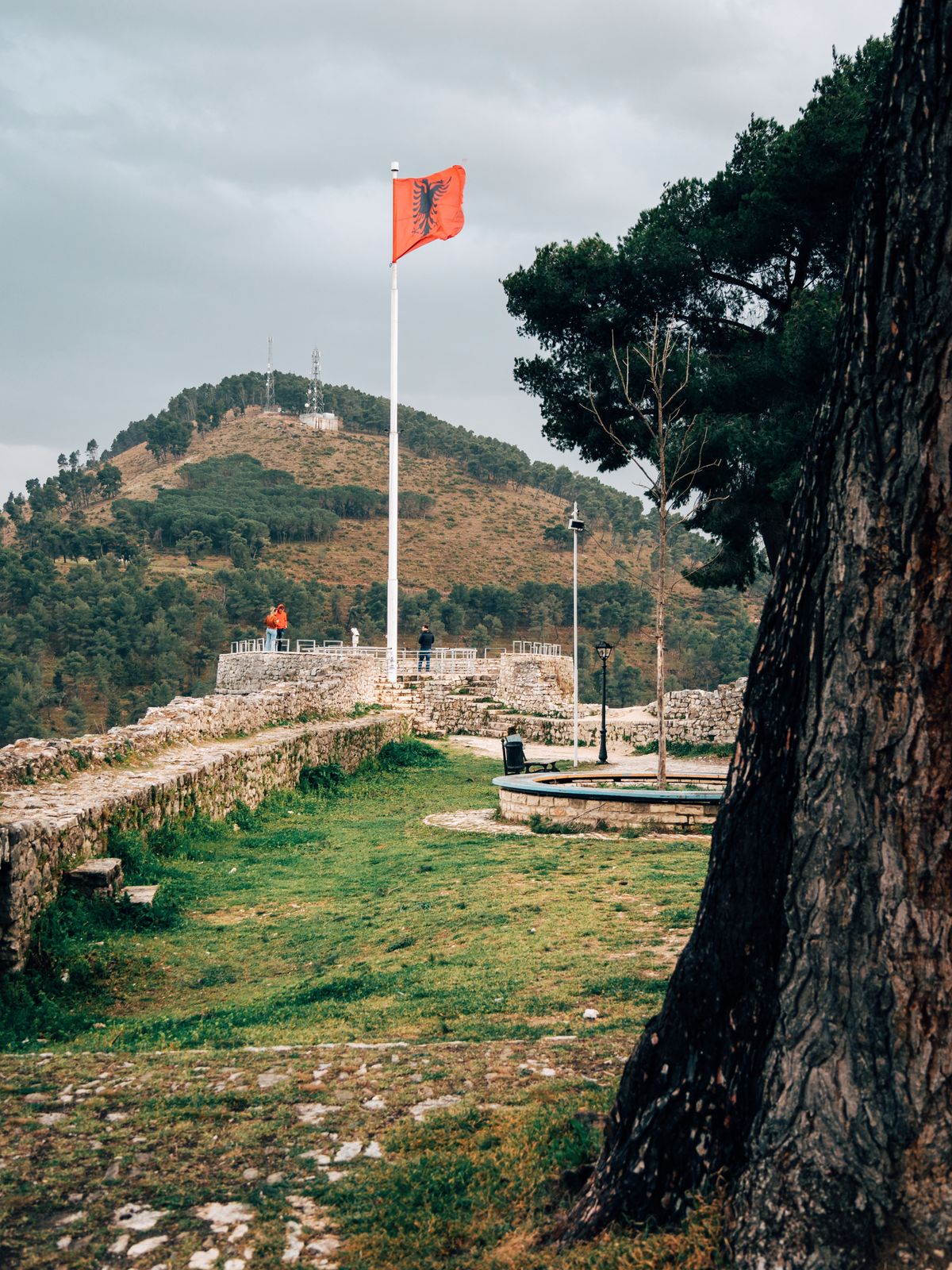
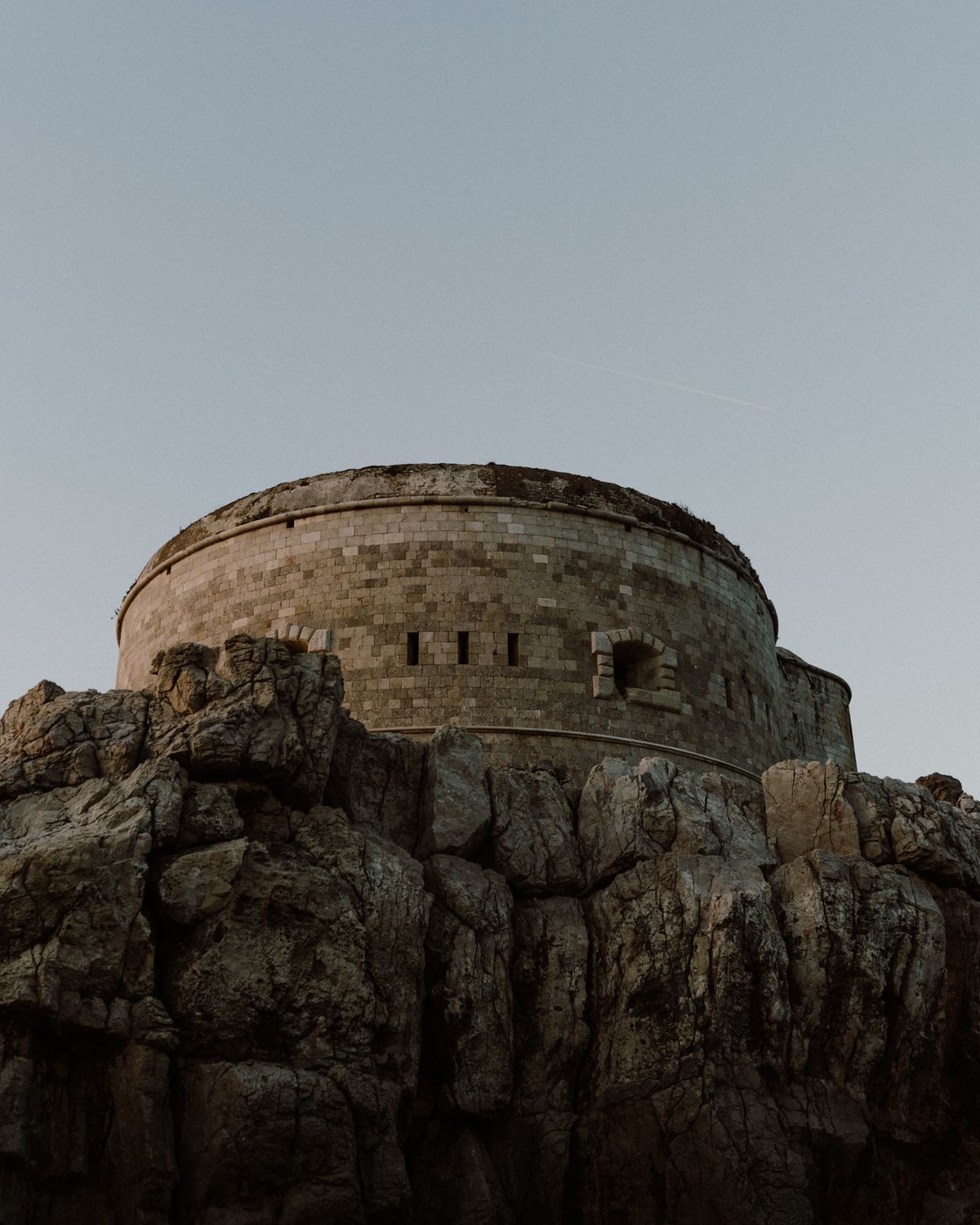
Gjirokaster castle is one of the largest fortresses in the Balkans. The first construction dates from the twelfth century and it was extended repeatedly, most drastically in the nineteenth century under Ali Pasha. Inside there is a weapons museum, a gallery of captured artillery and, oddly, the wreck of an American reconnaissance aircraft forced down during the Cold War.
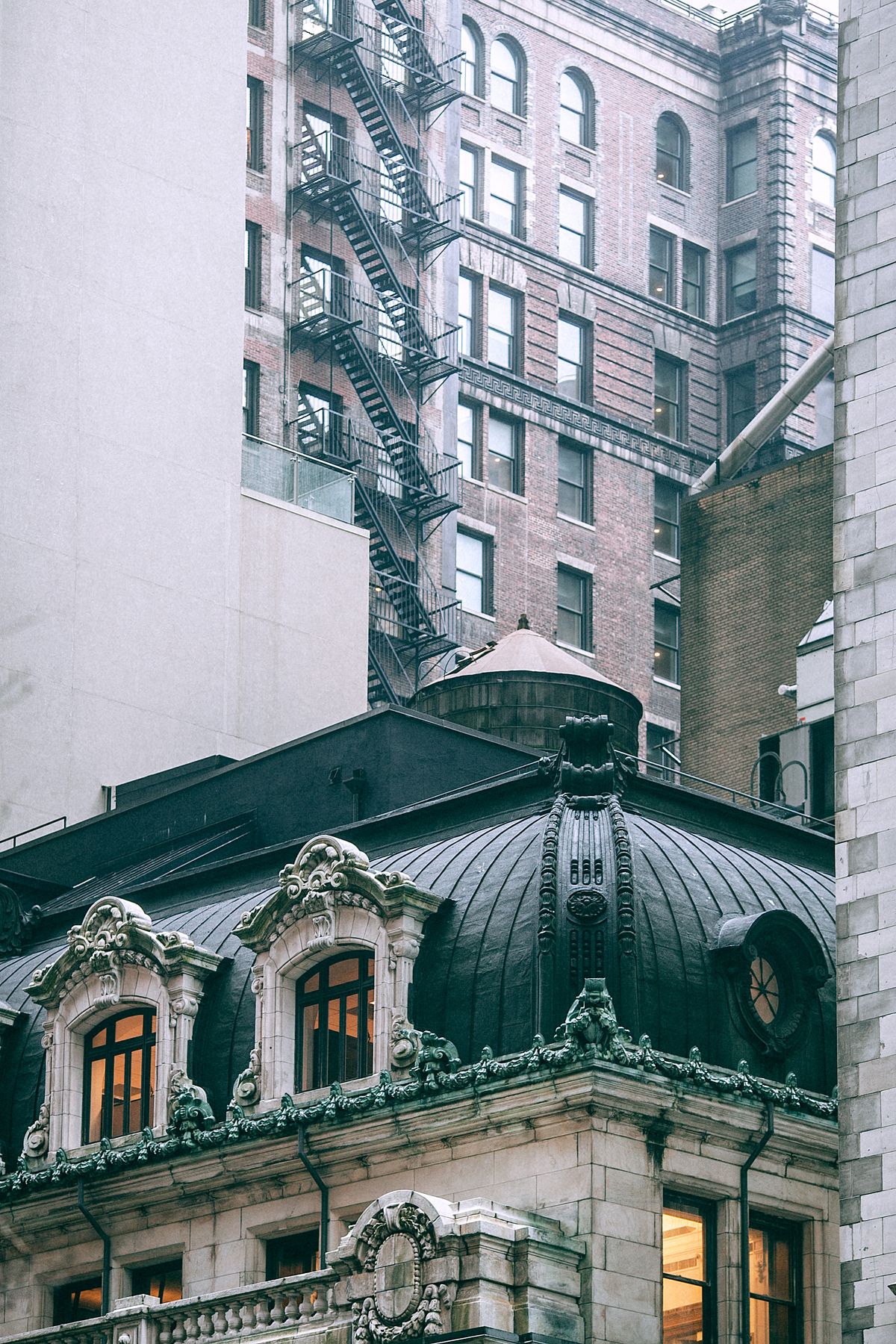
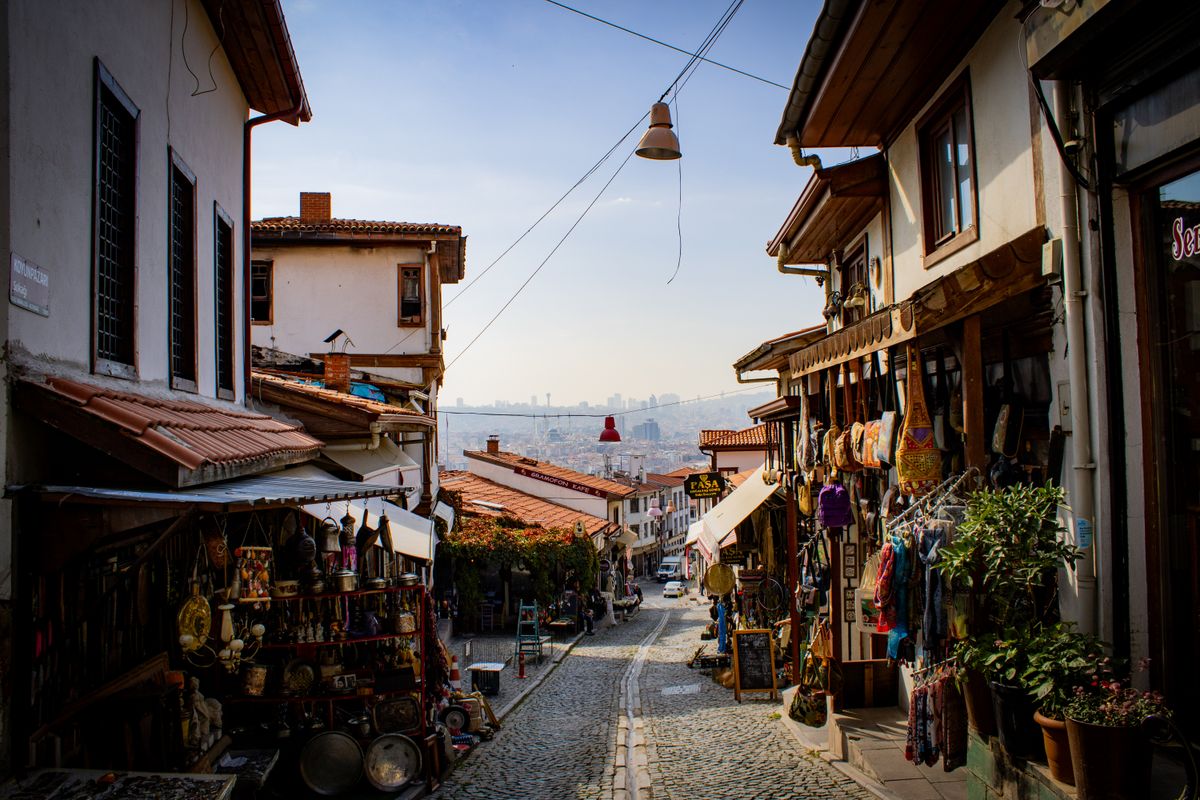
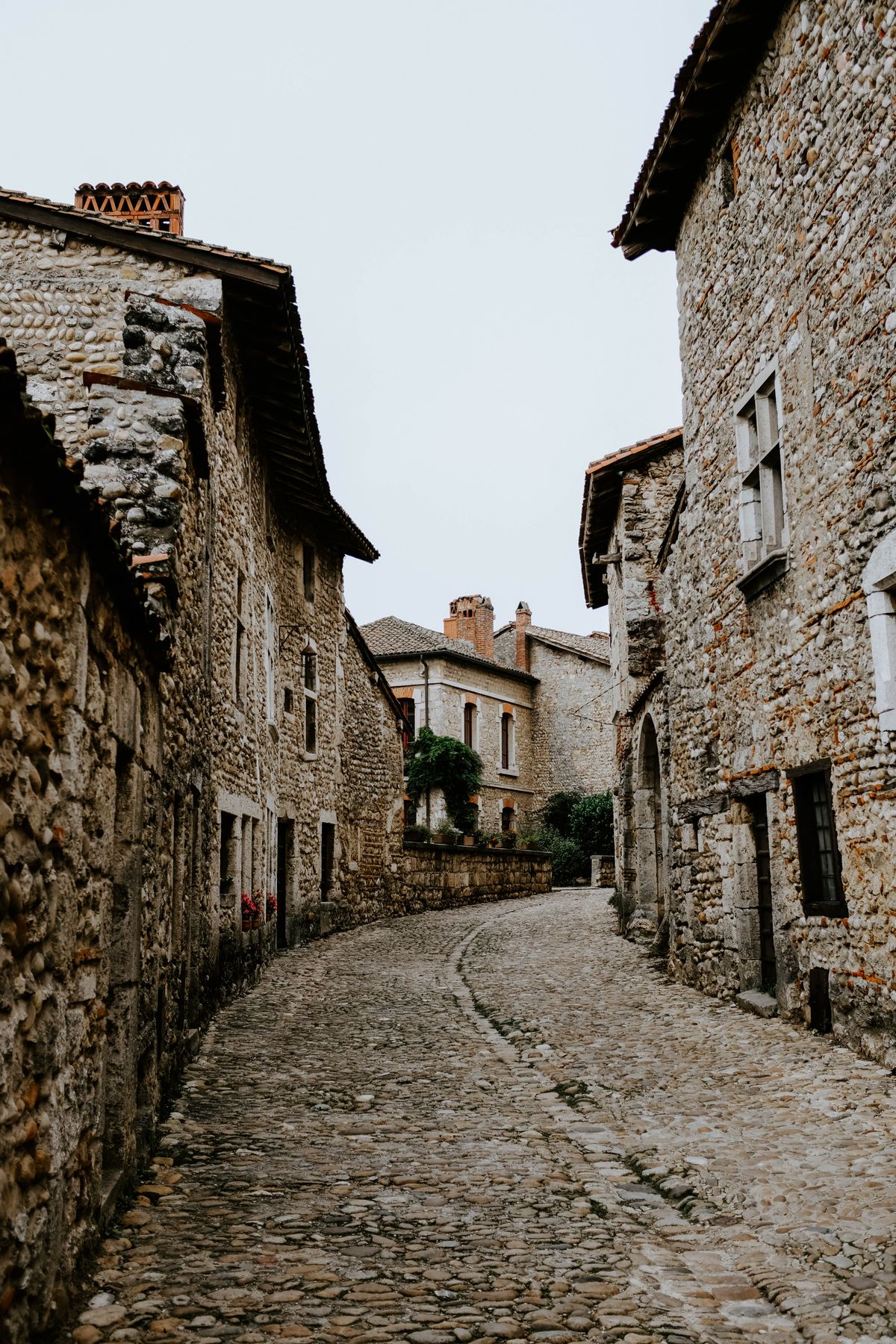
The old bazaar is the commercial heart of the town, originally built in the seventeenth century and rebuilt in the nineteenth after a fire destroyed it. The narrow streets, the stone paving and the workshops that still sell carved wood, carpets and stone objects make it the most photographed part of Gjirokaster.
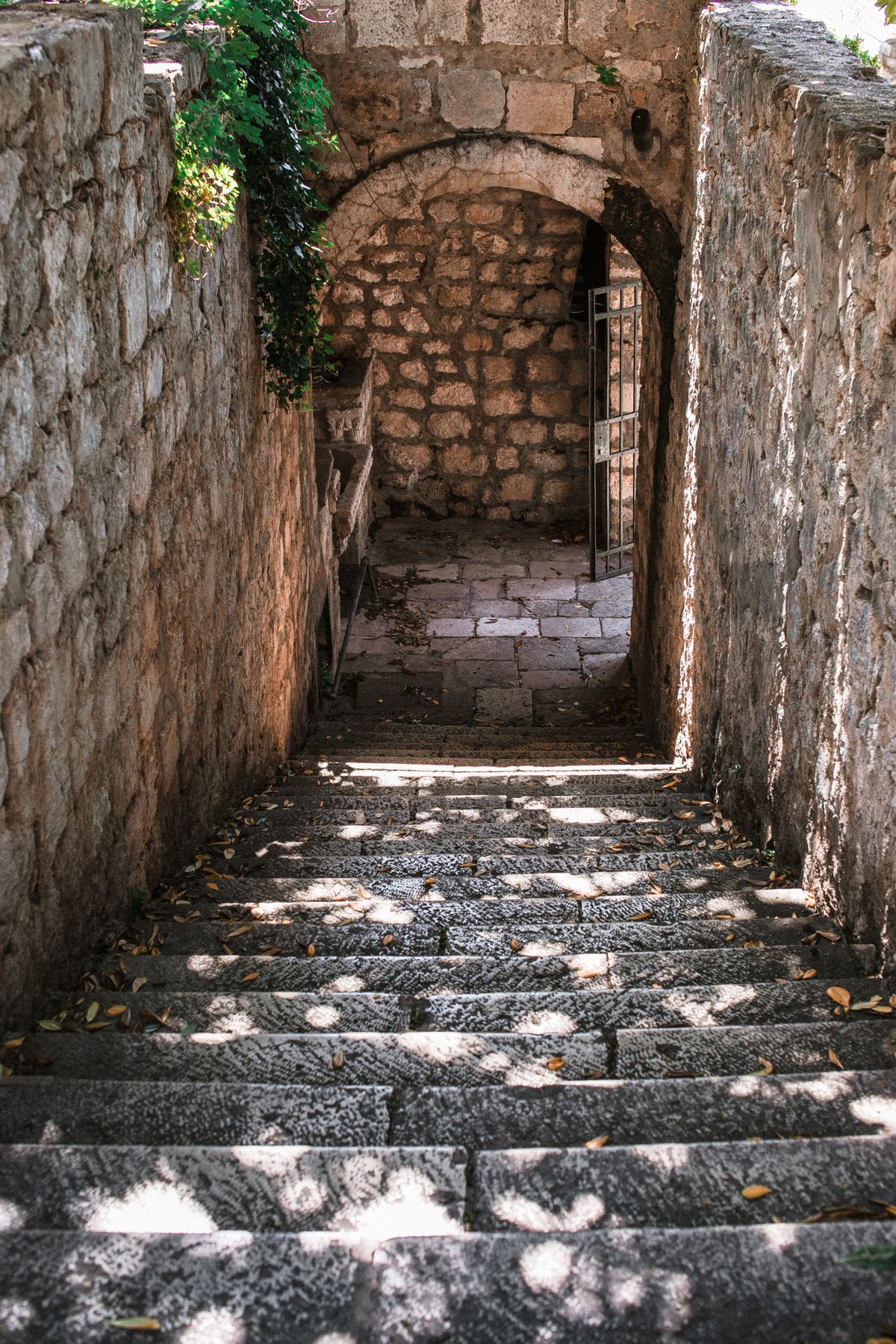
Two of the finest tower houses are open to the public: the Skenduli house and the Zekate house, both from the eighteenth century, both with the carved ceilings, painted niches and defensive ground floors that define the local style. The Zekate house, with its twin towers, is the more spectacular of the two.
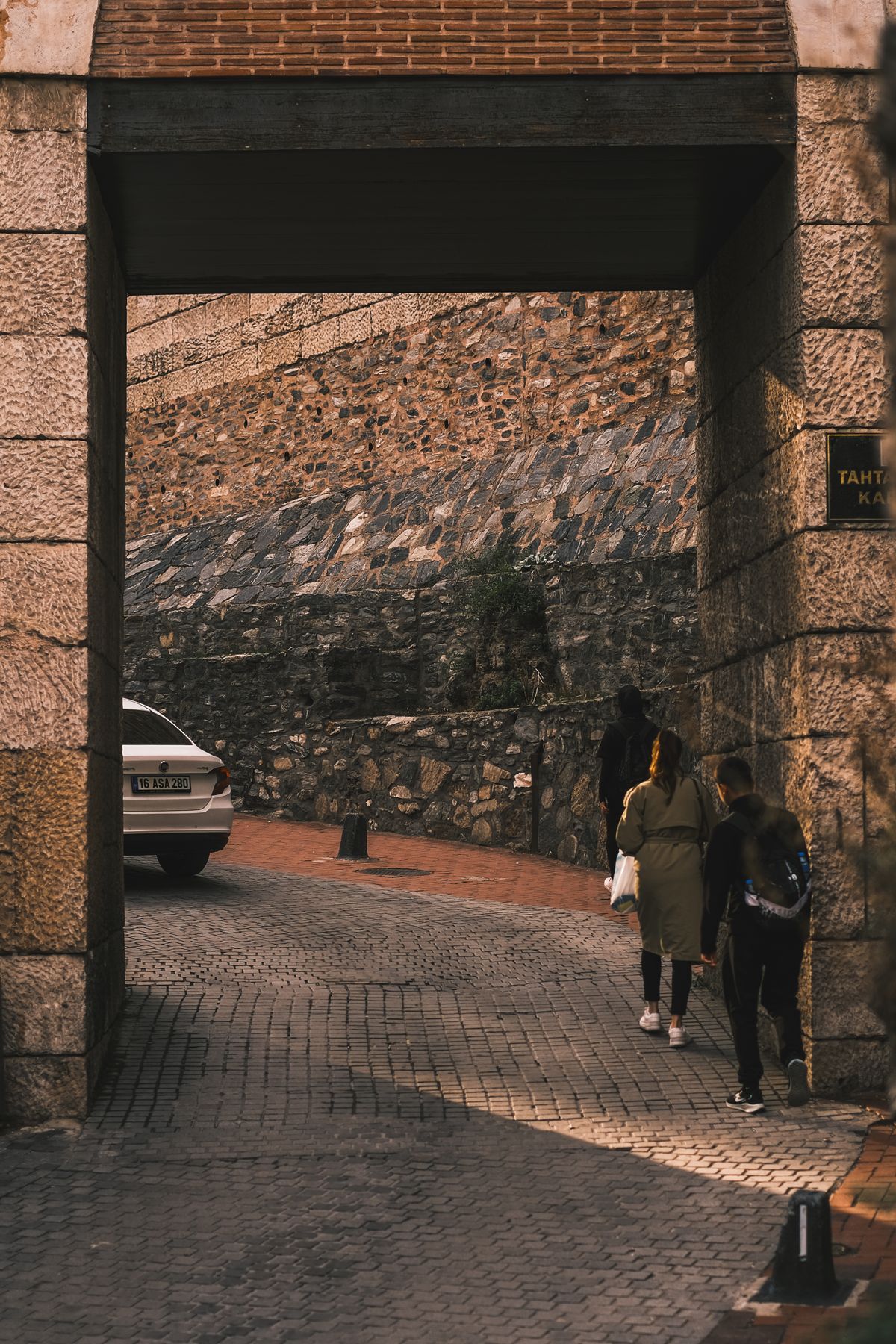
In the nineteen-seventies the Hoxha regime built an enormous bunker in secret beneath the castle hill, with more than eight hundred metres of tunnels and fifty-nine rooms, intended to shelter the regional leadership through a nuclear attack. It is open to visitors and is cold, bare and genuinely unsettling.
Day trips from Gjirokaster
The region around the town holds several natural and archaeological sites that justify a full extra day, whether you drive yourself or book a local tour.
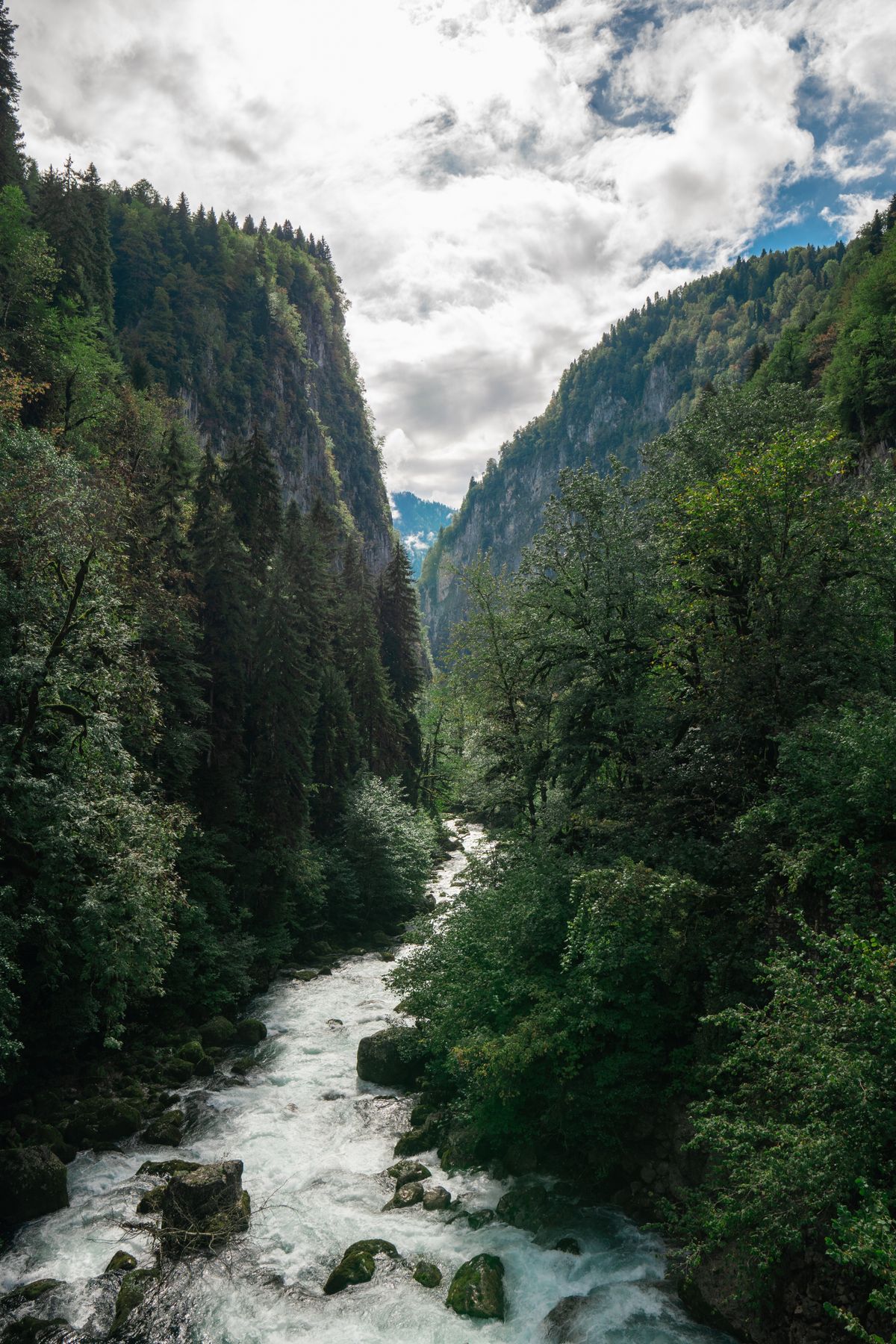
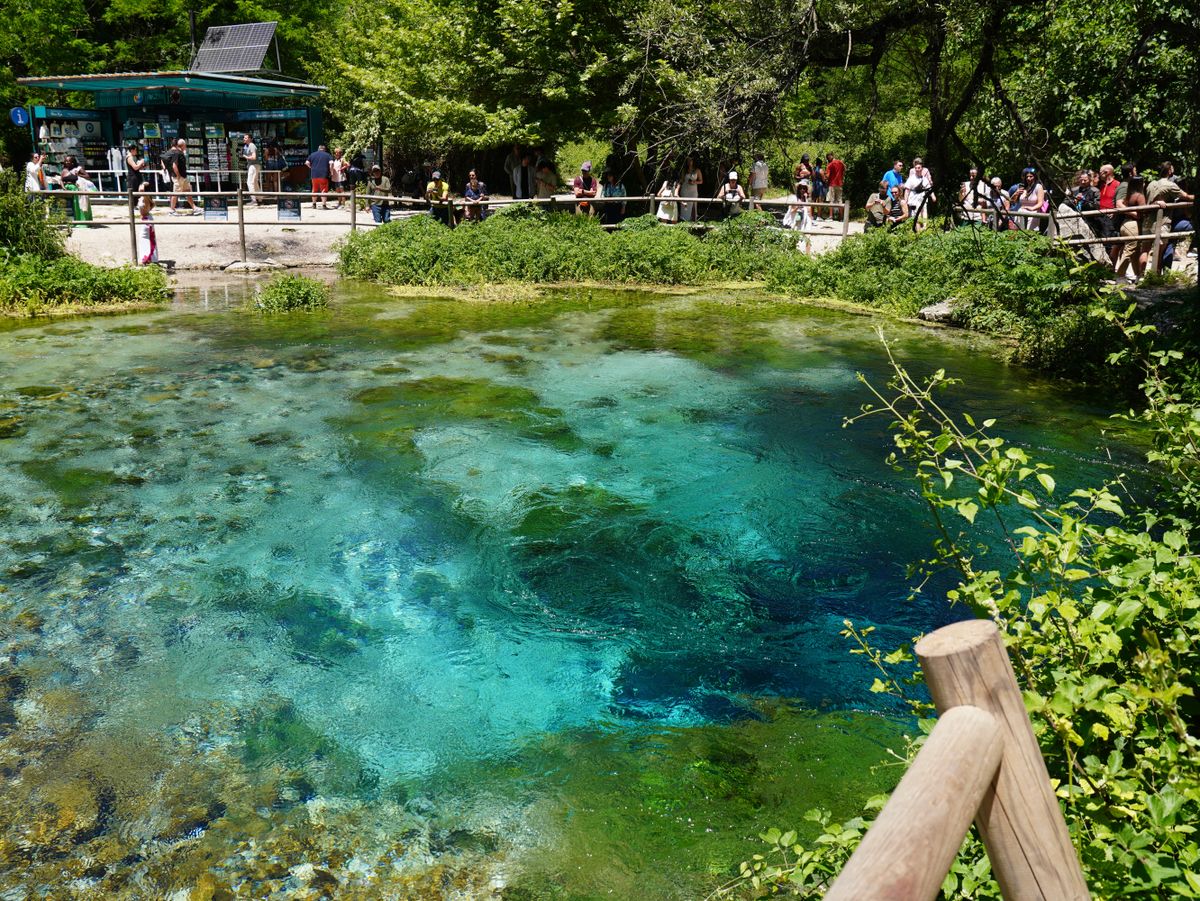
The Blue Eye, Syri i Kalter, is the most spectacular of them: a karst spring about thirty-four kilometres away, forty-five minutes by car, where water rises from a depth nobody has yet measured to the bottom. The colour goes from deep blue at the centre to turquoise at the edges, and the water stays around ten degrees all year, which is why the swimming is brief and loud.
The ruins of Antigonea are the quieter option. The city was founded around 295 BC by Pyrrhus of Epirus, who named it after his wife, and was destroyed by the Romans a century and a half later. What survives is foundations and mosaics on a hilltop with a wide view, usually with nobody else there.
The Langarica canyon and the thermal springs at Permet suit anyone who wants to combine walking with a soak. The canyon walls are dramatic and the spring water arrives at around thirty degrees, warm enough to sit in even in cool weather.
Food and Albanian hospitality
The cooking of Gjirokaster mixes Ottoman, Mediterranean and Balkan influences, and it is both comforting and surprisingly cheap.
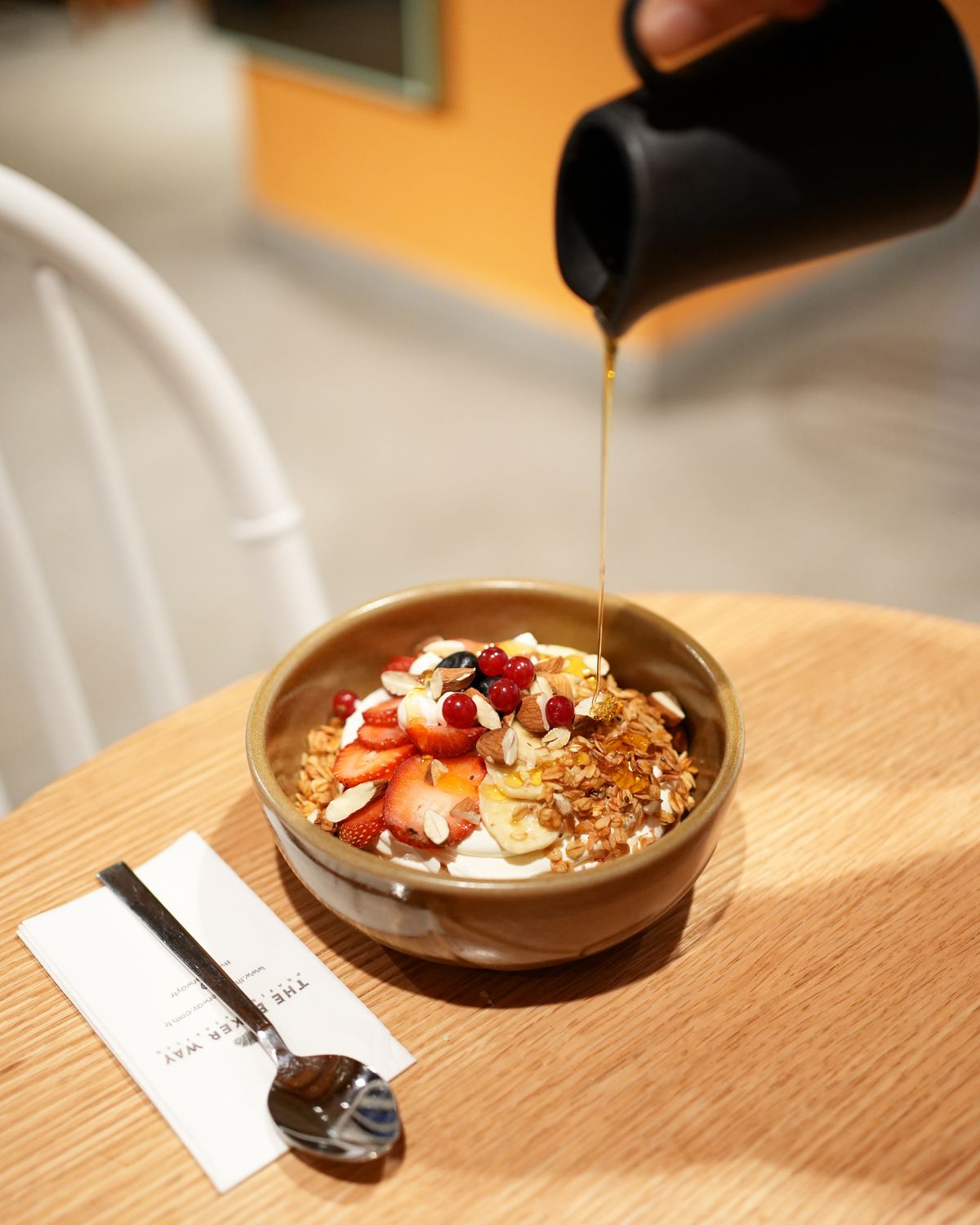
The town has one dish of its own that you will struggle to find elsewhere: qifqi, rice balls flavoured with mint and egg, fried and served plain. Beyond that, look for tave kosi, lamb baked under a yoghurt and egg crust, which is the national dish; pite, layered pastry with cheese or spinach; and byrek in every variation.
Prices are low. A full meal at a local restaurant runs between five and ten euros a head including a drink, and a Turkish coffee in the bazaar costs well under a euro. Home-distilled raki will be offered to you, frequently, and refusing it politely takes practice.
The architecture deserves a second look while you eat. The tower houses were built as small fortresses because of the feuding that shaped this region for centuries, and the logic is visible: blank walls at ground level, living quarters high up, windows small enough to defend.
Practical advice for your visit
Gjirokaster is small and walkable, but the walking is steep and the stone is slippery. A few practical points make the difference.
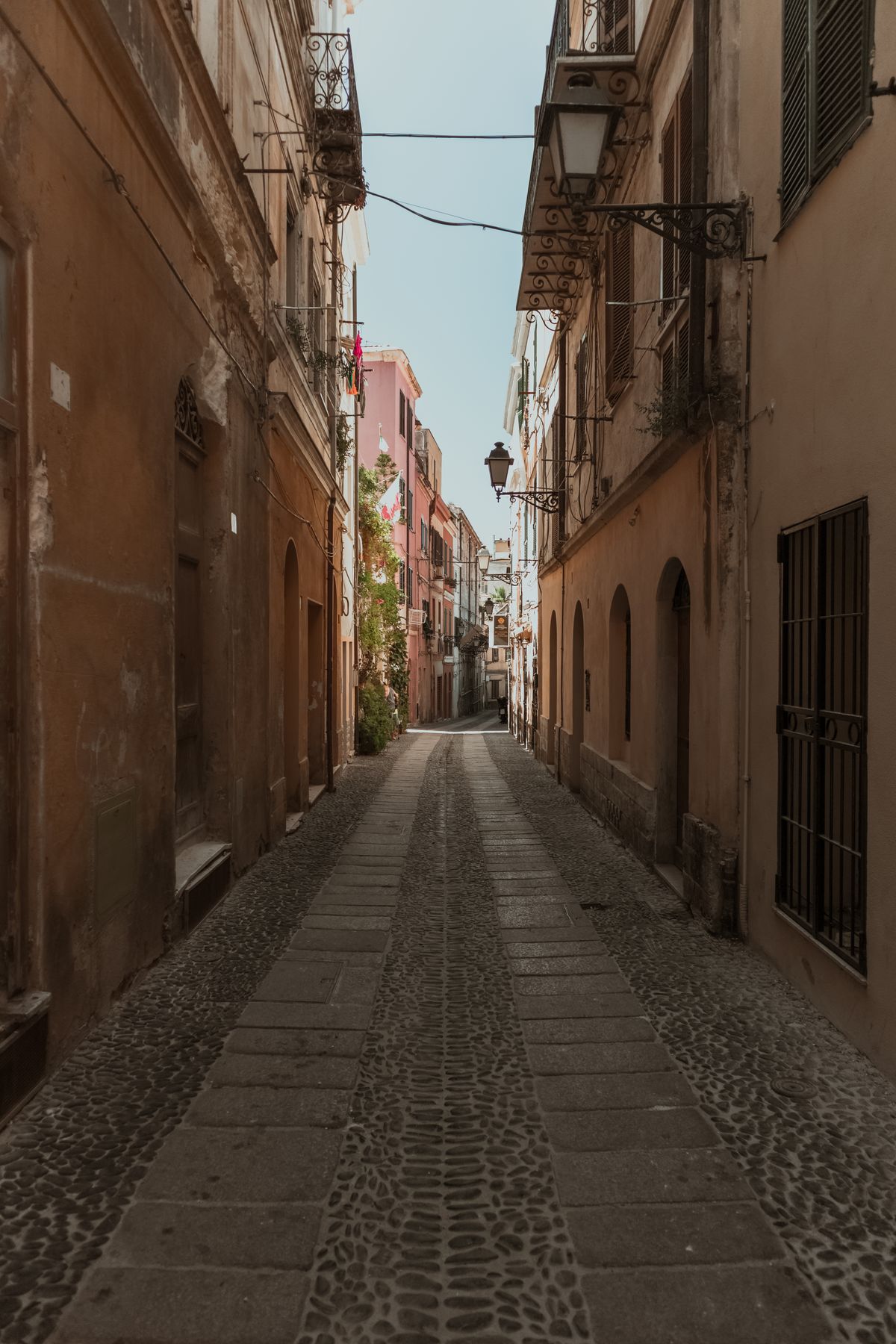
- Wear shoes with grip. The stone paving is polished smooth by centuries of use and becomes genuinely dangerous in rain
- Two full days is the right length: one for the town, one for the Blue Eye and Antigonea
- The currency is the Albanian lek. Larger hotels and restaurants take cards, but the bazaar, the small guesthouses and the taxis want cash
- From Tirana, the drive takes about three hours on decent roads, and daily buses cost around fourteen euros
- Combine it with Berat. The two UNESCO towns are complementary and sit within a few hours of each other
Summer is hot in the valley, frequently above thirty-five degrees, and the stone holds the heat well into the evening. Spring and autumn are considerably more comfortable for a town that has to be climbed. General information is on the UNESCO World Heritage listing and on the Albanian national tourism portal.
A note about the photographs
The panorama of the town, the slate roofs, the castle, the bazaar, the tower houses, the vaulted passages, the Blue Eye and the Langarica canyon are all confirmed as photographed in southern Albania.
Three of the images in this article are not confirmed to the location by their source page: a cobbled street, a narrow alley and a hilltop fortress, all of which are consistent with Gjirokaster but could be elsewhere in the region. The dish of tave kosi is likewise a generic frame. They are captioned accordingly rather than presented as something they may not be. The Cold War tunnel beneath the castle, the Skenduli and Zekate house interiors and the Antigonea ruins have no free photographs at all.
Frequently asked questions (FAQ)
Conclusion
Gjirokaster is the kind of place that rewards slowness. The castle and the bazaar can be done in a morning, but the town only makes sense once you have walked its stone lanes without a destination and looked at how the houses were built to survive their own neighbours.
Give it two days, wear proper shoes, pair it with Berat, and go in spring or autumn rather than the height of summer, when the valley heat makes every climb twice as long.
